How to Choose the Best Capsulorhexis Tools?

Time:2026-10-24 Author:Oliver
0%

Choosing the right Capsulorhexis Tools can influence precision, control, and confidence during cataract surgery. A well-designed instrument should support a smooth, continuous curvilinear capsulorhexis under demanding visual conditions. Small details matter. Tip geometry, shaft stiffness, handle balance, and surface finish can affect every movement.

Surgeons should evaluate each tool against their technique, surgical setting, and patient needs. Fine, atraumatic tips may help create controlled lens-capsule contact. A comfortable handle can reduce finger fatigue during a lengthy procedure. Clear packaging, reliable sterility, and complete instructions for use also deserve careful attention. These practical factors are easy to overlook.

Experience remains important.

However, familiarity should not replace evidence. Product specifications, peer-reviewed guidance, and manufacturer quality information can support a more reliable comparison. Reusable instruments require consistent inspection, cleaning, and maintenance. Single-use options require careful review of packaging integrity and intended use. Not every popular design will suit every surgeon. That is worth admitting.

A thoughtful selection process compares control, visibility, durability, and value rather than focusing only on price. Surgeons may also examine real handling through supervised evaluation, simulation, or trusted clinical demonstrations. This approach does not guarantee perfection. It does create a clearer basis for judgment. The best Capsulorhexis Tools are those that fit the surgeon’s hands, technique, and safety priorities while meeting established clinical and regulatory expectations.
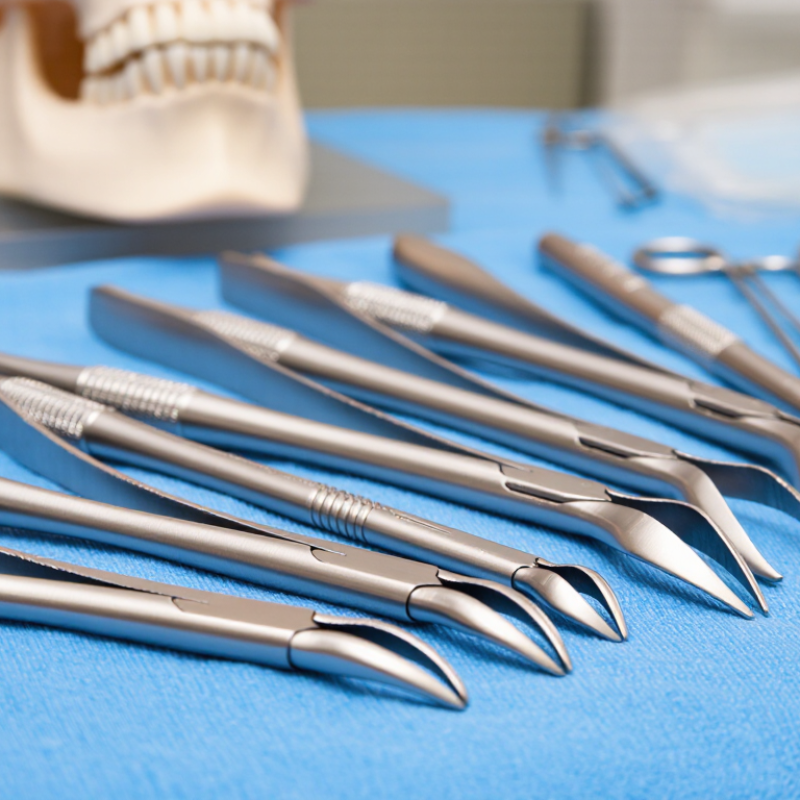
How to Choose the Best Capsulorhexis Tools?

Define the Role and Requirements of Capsulorhexis Tools

How to Choose the Best Capsulorhexis Tools?

Define the Role and Requirements of Capsulorhexis Tools

Capsulorhexis tools must create a controlled, centered, and continuous opening in the anterior capsule. Their role is not merely mechanical. They support lens centration, optic stability, and predictable postoperative outcomes. The Royal College of Ophthalmologists’ National Ophthalmology Database Cataract Audit has reviewed more than one million operations, with posterior capsule rupture remaining below 1% in recent reporting. That figure shows why small handling differences matter.

A suitable tool should provide a stable grip, clear visibility, and predictable tip movement. Fine control is essential near the capsular edge. The tip should initiate a tear without excessive force. It must also remain comfortable during repeated procedures.

Look for materials and surfaces that reduce glare, unwanted flexing, and tissue drag. Sterility assurance and a validated reprocessing pathway are equally important. The European Registry of Quality Outcomes for Cataract and Refractive Surgery collects data from millions of procedures, reinforcing the value of measurable outcomes over personal preference.

No tool is perfect.

In practical assessment, compare tip geometry, shaft stiffness, handle balance, and surgeon feedback. I initially considered smooth motion the main requirement. That view is incomplete. Visibility and controlled resistance may matter more in difficult capsules. Testing should include routine and challenging cases, because a tool that feels excellent on a standard capsule may become awkward when the capsule is weak, shallow, or poorly visible.

Compare Tool Designs, Materials, and Handling Features

How to Choose the Best Capsulorhexis Tools?

Tool design should match the surgeon’s technique, not marketing language. A cystotome offers tactile feedback through a slim shaft. Forceps provide controlled grasping, especially when the tear needs redirection. Curved tips can improve access through a small incision. However, excessive curvature may obstruct the visual axis. The World Health Organization’s World Report on Vision estimates that cataract remains a major cause of avoidable vision loss worldwide. That scale makes repeatable capsulorhexis performance clinically important.

Materials influence both control and durability. Surgical stainless steel usually provides rigidity and predictable spring-back. Polymer components may reduce weight, but they can feel less responsive during delicate tearing. Check tip alignment under magnification. Even a slight mismatch can force unnecessary wrist rotation. The International Agency for the Prevention of Blindness Vision Atlas reported that cataract caused about 94 million cases of blindness or moderate-to-severe distance vision impairment in 2020. Small handling problems can affect many procedures.

Grip design deserves hands-on testing. A textured handle can improve control with wet gloves, while an overly aggressive texture may cause finger fatigue. Balance matters more than appearance. Test the tool through a simulated incision and observe tip visibility, resistance, and release. The American Academy of Ophthalmology recommends consistent surgical technique and appropriate instrument selection in its cataract guidance. Still, guidance cannot replace personal experience. I would not choose the lightest instrument automatically. My own preference can also become bias. Track completed cases, radial tear rates, and user fatigue before changing the tray.

How to Choose the Best Capsulorhexis Tools?

Comparing tool designs, materials, and handling features

The chart uses a 1–5 design-based handling index, where 5 indicates a stronger inherent advantage for the listed feature. Ratings reflect common instrument characteristics rather than clinical outcomes. Needle-based cystotomes are primarily used for initiating the flap, while forceps provide greater control for grasping and completing a continuous curvilinear capsulorhexis. Stainless steel is common for rigidity and fine tip strength; titanium designs are valued for lower density and corrosion resistance, while polymer components may reduce surface friction but generally provide less tip rigidity.

Match Instrument Choice to Surgical Technique and Patient Needs

How to Choose the Best Capsulorhexis Tools?

Match the instrument to the surgical plan and the patient’s anatomy. Manual continuous curvilinear capsulorhexis may suit routine eyes with a clear red reflex. A cystotome offers tactile feedback, while microforceps provide controlled tearing near the equator. Intumescent cataracts demand more caution. Capsular staining can improve visibility, but it does not replace careful pressure control. Small pupils, pseudoexfoliation, and weak zonules may require capsule-support devices or scissors. The best choice changes with each case.

Global need also matters. The World Health Organization estimates that cataract accounts for about 94 million cases of blindness or moderate-to-severe vision impairment worldwide. The AAO IRIS Registry identifies cataract surgery as one of the most frequently recorded ophthalmic procedures in the United States. These data reinforce the need for reproducible, adaptable techniques. Annual ASCRS Clinical Survey findings also highlight ongoing concern about zonular weakness and capsular complications. A familiar tool may still be the wrong tool.

Tips: Check pupil size, zonular stability, lens density, and red reflex before opening the capsule. Keep a backup instrument within reach. Do not force a tear. I have seen experienced surgeons reconsider their preferred device when visibility changes mid-procedure. That humility matters. A tool that feels precise in one eye may feel surprisingly blunt in another. Review outcomes, not just comfort.

Evaluate Precision, Safety, Sterilization, and Compatibility

How to Choose the Best Capsulorhexis Tools?
Evaluate Precision, Safety, Sterilization, and Compatibility

Precision starts with controlled movement, not appearance. Select forceps or cystotomes with fine, atraumatic tips and predictable handling. Tip alignment should remain stable during delicate capsule manipulation. Under the microscope, even slight jaw imbalance can redirect a tear. Handle balance matters. An awkward grip may increase hand fatigue and reduce control during a continuous curvilinear capsulorhexis.

Safety requires more than sharp edges. Check whether the instrument provides secure tissue engagement without excessive force. Rounded surfaces can help reduce accidental contact with the corneal endothelium or iris. A practical assessment includes testing the instrument on a suitable training model before clinical use. No tool is perfect. Small design preferences may change with surgeon hand size, incision technique, or operating conditions.

Sterilization and compatibility deserve equal attention. Reusable instruments must have clear cleaning, inspection, packaging, and sterilization instructions. Hinges and narrow jaws can retain residue when processing is rushed. Single-use devices should remain sealed, undamaged, and within their stated use period. Confirm compatibility with the incision size, ophthalmic viscosurgical device, microscope setup, and surgical workflow. Manufacturer instructions should guide final decisions, although they may not address every real-world difficulty. Teams should document failures, difficult handling, and unexpected movement instead of relying only on initial impressions.

Build a Practical Selection Checklist for Capsulorhexis Tools

Choosing capsulorhexis tools should begin with a practical checklist, not a familiar name. Match the instrument to the planned technique, ocular anatomy, and surgeon experience. A cystotome may offer precise puncture control, while fine forceps can support a controlled tear edge. Check the tip geometry, shaft length, stiffness, and handle balance. These details affect movement inside the anterior chamber.

Visibility matters. Select tips that remain easy to identify through the microscope, especially when the capsule is poorly stained or the pupil is small. Examine the instrument under magnification before use. Look for smooth jaws, secure alignment, and an atraumatic finish. The grip should feel stable with wet gloves. Small discomfort can become a large control problem.

Do not ignore workflow. Confirm sterility, packaging integrity, and compatibility with the surgical tray. Review the instructions for use and your facility’s protocols. Keep a suitable backup available.

I once underestimated how much handle fatigue could affect a delicate tear. That experience changed my checklist. It now includes a short simulation, instrument inspection, and a record of what worked. No checklist is perfect. Patient variation can expose its weak points. Reassess the choice after each case, especially when the capsule behaves differently than expected.

FAQS

How should capsulorhexis tools match the patient’s eye?

Match the instrument to pupil size, zonular stability, lens density, and red reflex. Routine eyes may suit manual continuous curvilinear capsulorhexis. Intumescent lenses require slower movements and careful pressure control. The best choice can change during surgery.

When can a cystotome be useful?

A cystotome may provide tactile feedback during the initial capsule puncture. It can help create controlled movements in suitable cases. Avoid forcing the tip or pushing against uncertain resistance. Gentle control matters.

When might microforceps be preferable?

Microforceps can support controlled tearing near the equator. They may help when the tear edge needs careful repositioning. Fine tips and stable jaw alignment are important. Small imbalance can redirect the tear.

What should surgeons check before opening the capsule?

Check the pupil, red reflex, lens density, and zonular stability. Consider pseudoexfoliation and suspected weak zonules. Keep a backup instrument within reach. A familiar device may still be wrong.

How does visibility affect tool selection?

Poor staining, small pupils, or limited red reflex can reduce capsule visibility. Choose tips that remain identifiable under the microscope. Staining can improve contrast, but it does not replace pressure control. Visibility may change mid-procedure.

Which design features support precise handling?

Look for fine, atraumatic tips and predictable movement. Check jaw alignment, shaft length, stiffness, and handle balance. Rounded surfaces may reduce accidental contact with nearby tissues. Comfort alone is not enough.

What safety issues should be considered?

The tool should engage tissue securely without excessive force. Test unfamiliar instruments on an appropriate training model before clinical use. Inspect the tip under magnification. No instrument is perfect.

How should sterilization and compatibility be evaluated?

Reusable instruments need clear cleaning, inspection, packaging, and sterilization instructions. Hinges and narrow jaws can retain residue when processing is rushed. Single-use devices should have intact packaging and valid use dates. Confirm compatibility with the incision, viscosurgical device, microscope, and workflow.

Should surgeons reassess their instrument choice after surgery?

Yes. Review the tear, handling, visibility, fatigue, and unexpected movement. Record what worked and what failed. My checklist is not perfect. Patient variation exposes its weak points. Reassess after difficult cases.

Conclusion

Choosing the right Capsulorhexis Tools is essential for achieving a controlled, centered, and consistent capsular opening during cataract surgery. The selection process should begin by defining the tool’s role and identifying the surgeon’s practical requirements, including visibility, grip, maneuverability, and control. Different designs, materials, tip shapes, and handle structures can influence precision and ease of use, so each feature should be assessed according to the intended surgical technique.

An effective choice must also reflect patient-specific factors, such as capsule elasticity, pupil size, and expected surgical challenges. Surgeons should evaluate safety, durability, sterilization suitability, and compatibility with existing instruments and operating protocols. A practical checklist can help compare options systematically, covering ergonomic handling, reliable performance, maintenance requirements, and overall consistency. By matching Capsulorhexis Tools to both surgical preferences and patient needs, healthcare professionals can support predictable results while maintaining efficient and safe operating practices.

Oliver

Oliver

Oliver is a seasoned marketing professional with a wealth of expertise in driving brand awareness and engagement. With a deep understanding of our company's product offerings, he consistently delivers high-quality content that enriches our professional blog. His insights not only shed light on......