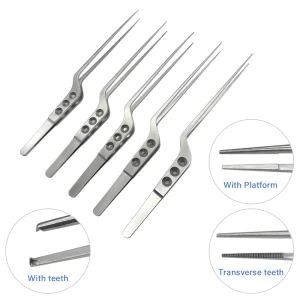
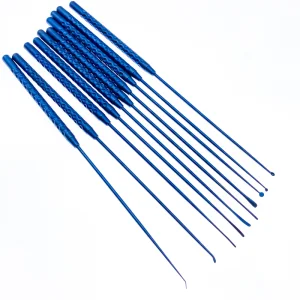
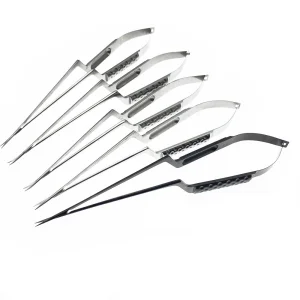
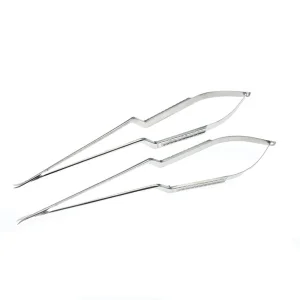
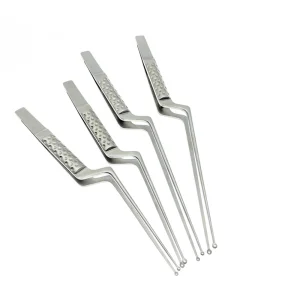
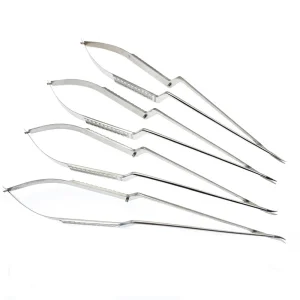
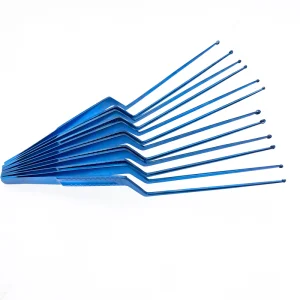
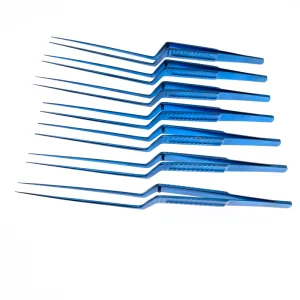
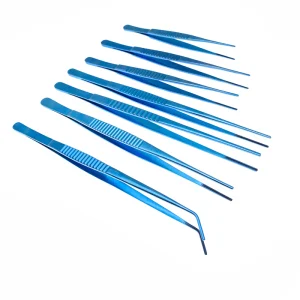
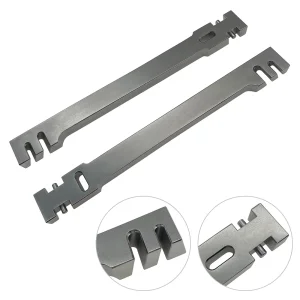
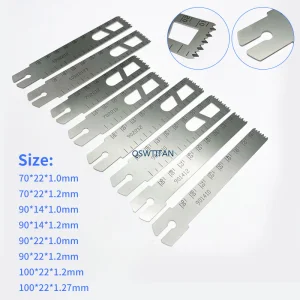
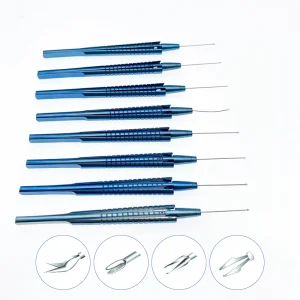
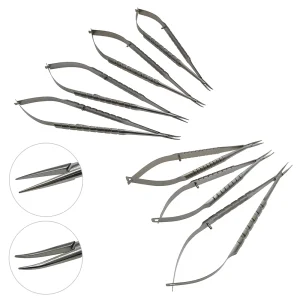
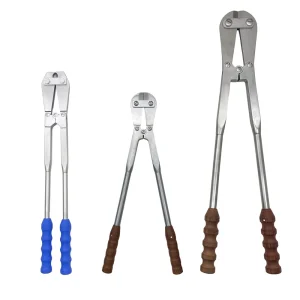
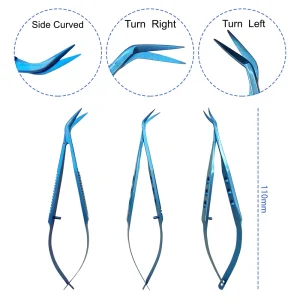
Engineered for high-stakes precision and tactile feedback
Redefining precision for the next generation of microneurosurgery
In the high-stakes realm of neurosurgery, where margins of error are measured in microns, the quality of surgical tweezers and forceps is not merely a preference but a clinical necessity. As leading neurosurgery instruments tweezers manufacturers & exporters, we recognize that the instruments we produce are extensions of the surgeon’s hands. This white paper explores the critical intersections of material science, ergonomic design, and global procurement logistics in the modern medical device landscape.
The global demand for high-end neurosurgical instruments has seen a compound annual growth rate (CAGR) of 6.5% over the last five years. This growth is driven by the rising incidence of neurological disorders and the expansion of minimally invasive surgery (MIS) techniques. Major procurement hubs, including North America (25%) and South America (25%), are increasingly looking for reliable manufacturers that can provide:
Established
Export Experience
Raw Material Traceability
Lead QA Inspectors
Today’s surgical instrument manufacturers must provide comprehensive solutions, not just products. Our approach integrates Information Gain by focusing on the total lifecycle of the instrument:
Utilizing Grade 5 Titanium and surgical-grade Stainless Steel to ensure non-magnetic properties (crucial for MRI-adjacent procedures) and extreme durability.
Bayonet (Z-type) designs and flat handle balances are engineered to reduce surgeon fatigue during 10+ hour procedures.
Advanced coatings and finishes designed to withstand repeated autoclave cycles without losing tip alignment or grip tension.
Charting the course for robotic-assisted surgery and smart instrumentation
| Phase | Technological Milestone | Clinical Impact |
|---|---|---|
| Short Term | Integration of Shark-Blade™ nanotechnology for ultra-precise tissue dissection. | Reduced tissue trauma and cleaner margins in tumor resection. |
| Medium Term | Smart-Grip sensors providing haptic feedback to digital surgical consoles. | Bridging the gap between robotic assistance and tactile human intuition. |
| Long Term | 3D-Printed Bio-compatible Alloys for patient-specific instrument geometry. | Instruments customized to the specific anatomy of the patient's skull base or spinal column. |
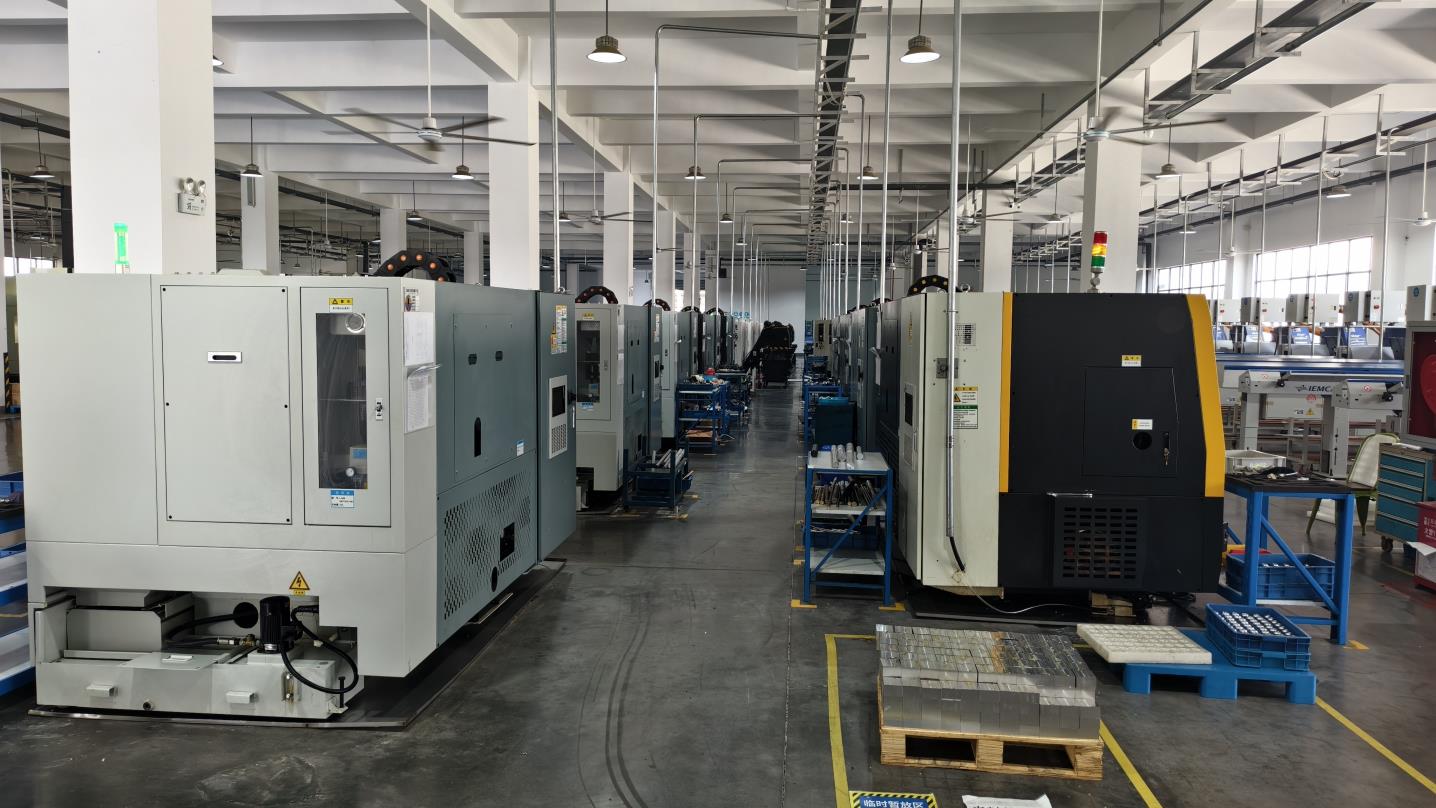


Adhering to the strictest medical standards for safe patient outcomes
Established on 2019-11-20, we have built a reputation for 100% raw material traceability. Every batch of stainless steel and titanium is certified for medical use.
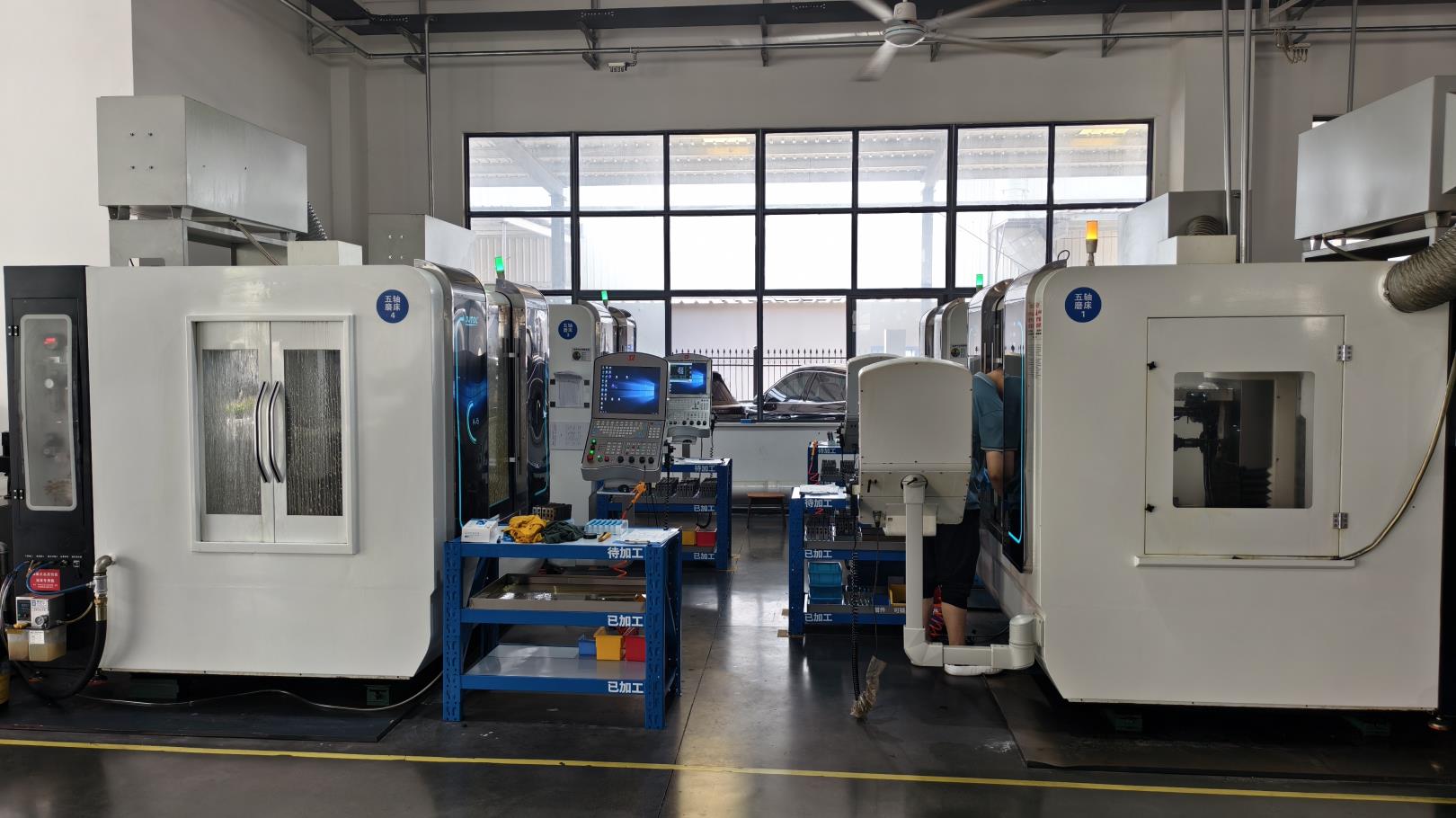
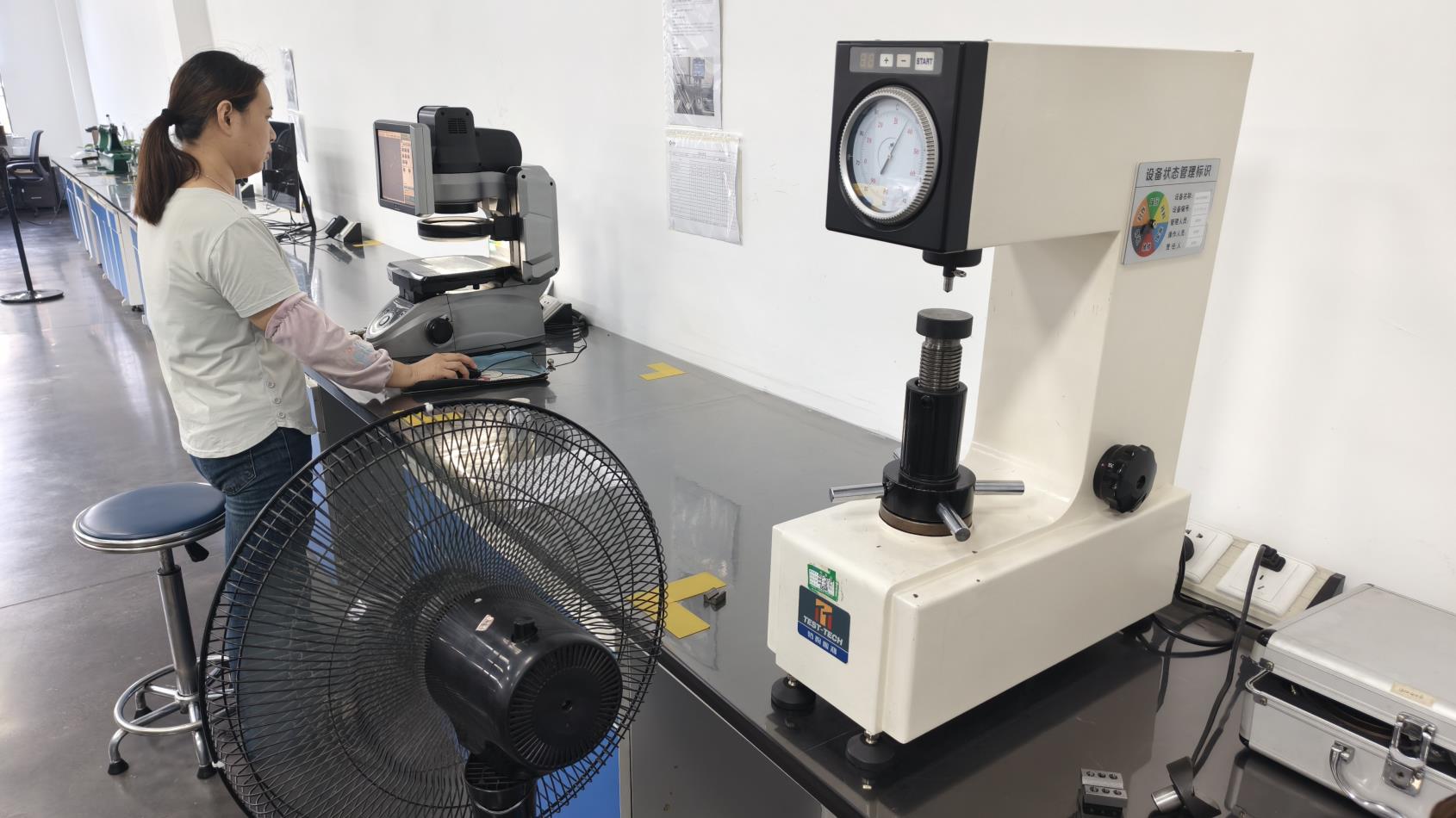
With 3 dedicated QA/QC inspectors, we employ random inspections and client-specific testing protocols to ensure zero-defect delivery across South East Asia, North America, and Europe.
Our R&D team supports sample processing and graphic processing, allowing hospital groups to develop proprietary instrument sets tailored to their star surgeons' preferences.
Addressing the most critical concerns of medical distributors and hospital boards
Titanium tweezers are approximately 40% lighter, non-magnetic (essential for intraoperative MRI), and more resistant to corrosion. Stainless steel offers superior tip hardness and is generally more cost-effective for high-volume surgical centers.
Our instruments undergo manual "tension balancing." Each pair of tweezers is calibrated by skilled technicians to ensure the closing force is consistent and provides the surgeon with a precise sense of tissue resistance.
Yes. We support all necessary documentation for import compliance, including certificates of origin, material analysis reports, and sterile-packaging validation for our global partners in North America, South America, and beyond.
Depending on the complexity of the customization (e.g., specific jaw serrations or custom handle lengths), prototype samples are typically ready within 3-4 weeks, with bulk production following within 45-60 days.
Extending precision to Orthopedics, Ophthalmology, and Cardiac Surgery
 Carna Medicial Technology