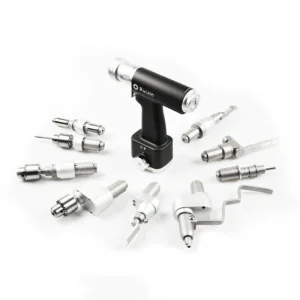
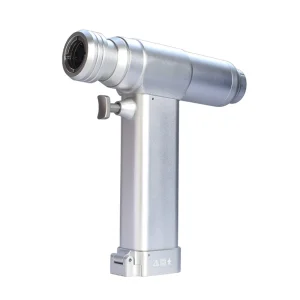
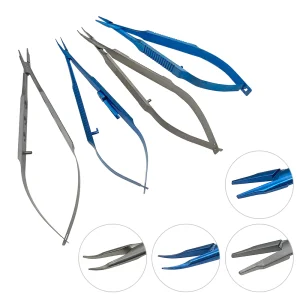
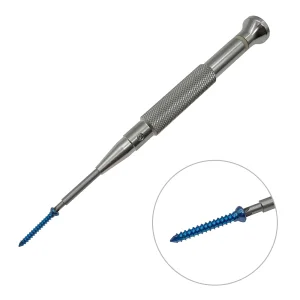
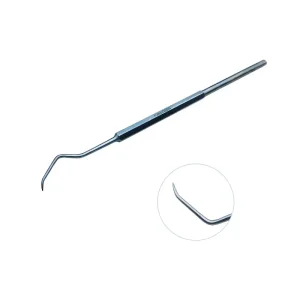
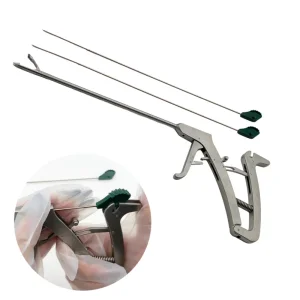
In the high-stakes arena of modern surgery, the orthopedic bone drill and saw represent the intersection of mechanical engineering and clinical efficacy. As global surgical volumes for trauma, joint reconstruction, and spinal fusion continue to rise, the demand for reliable, ergonomic, and high-performance power instruments has never been more critical. This whitepaper explores the technological nuances, supply chain dynamics, and the competitive advantage of sourcing from advanced manufacturing hubs in China.
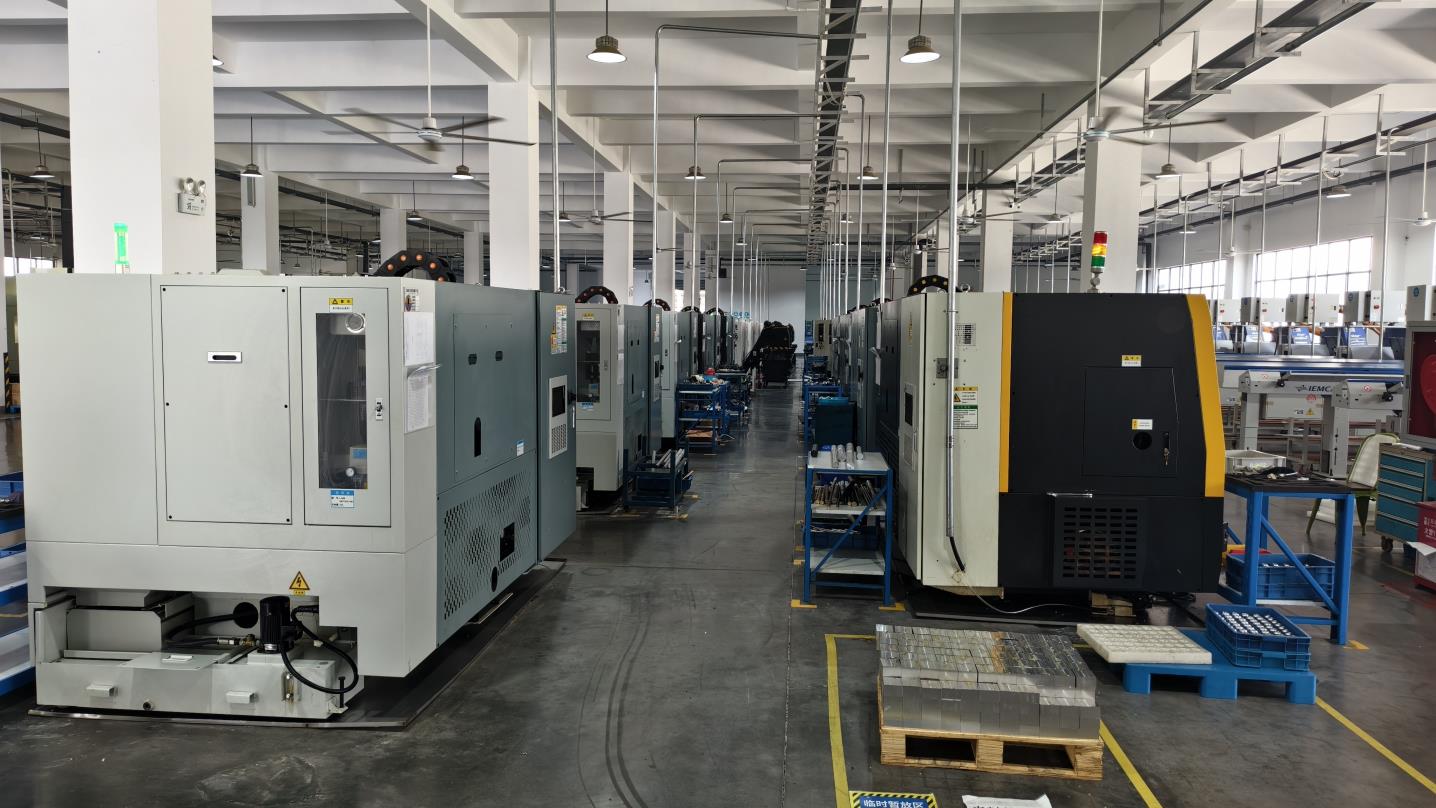
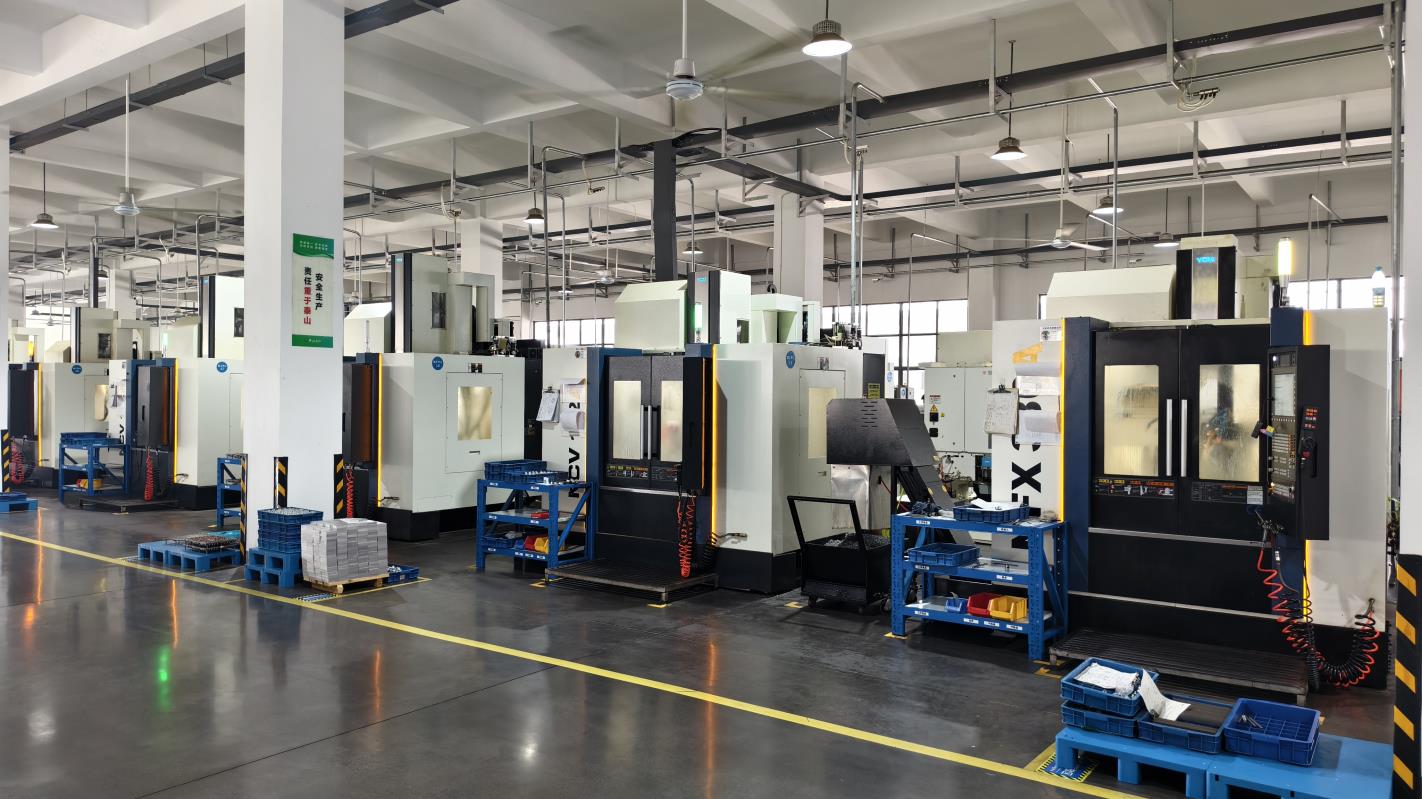
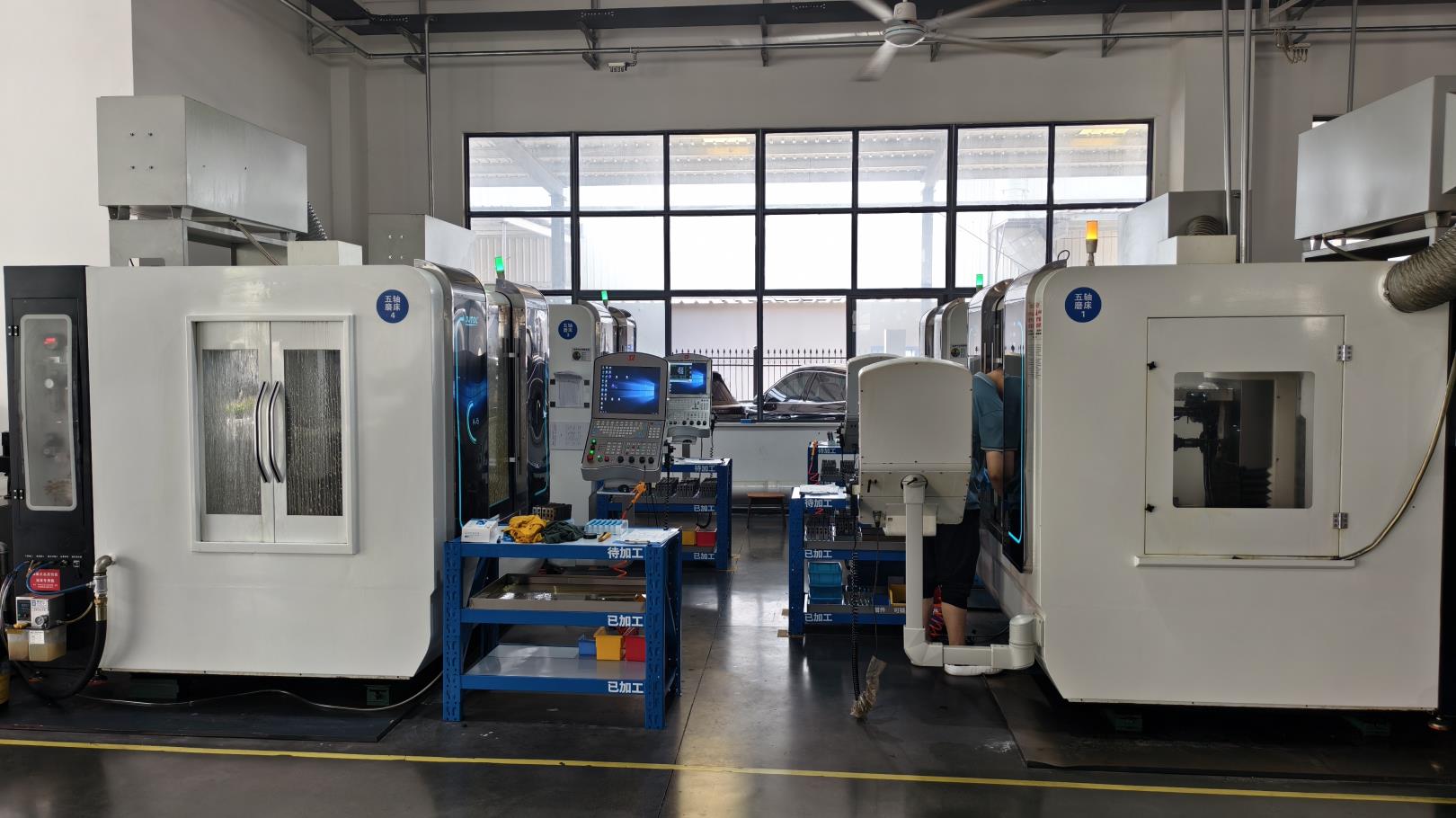
China has transitioned from a volume-based manufacturer to a high-tech innovation hub in the medical device sector. Sourcing orthopedic instruments directly from a specialized factory offers several distinct strategic advantages:
Utilizing aerospace-grade Titanium alloys and medical-grade 316L Stainless Steel, factories ensure that instruments withstand the rigors of autoclaving and high-frequency oscillation without degradation.
Modern bone drills produced in China now feature brushless DC motors, offering higher torque-to-weight ratios and longer lifespans compared to traditional brushed variants.
With R&D capabilities focusing on "Sample Processing" and "Graphic Processing," Chinese suppliers can pivot quickly to meet specific anatomical needs or OEM branding requirements.
The global orthopedic power tools market is witnessing a paradigm shift. Understanding these trends is vital for procurement officers and clinical directors:
While human orthopedic surgery is the primary driver, specialized instrument applications have branched into diverse fields:
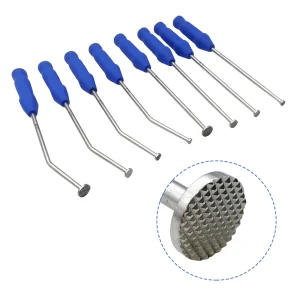
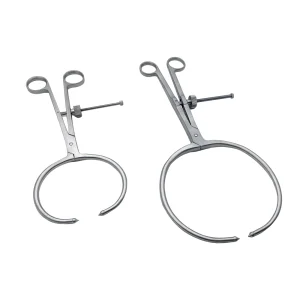
Small animal trauma surgery requires specialized tools like the Tip Pull Hook Bone Retractor. Veterinary clinics globally are seeking human-grade precision adapted for smaller anatomical structures, a niche where Chinese suppliers excel.
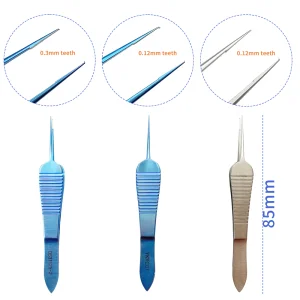
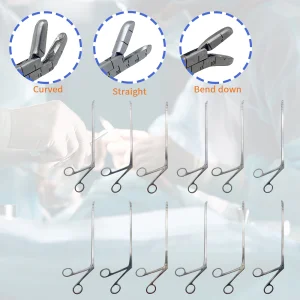
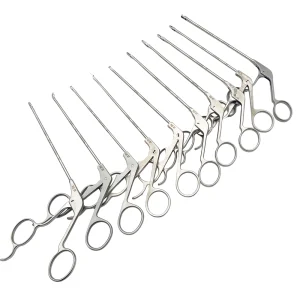
The rise of minimally invasive surgery has heightened the need for specialized suture passers and graspers (e.g., the Shoulder Suture Passer), which require micro-engineering and high tensile strength.
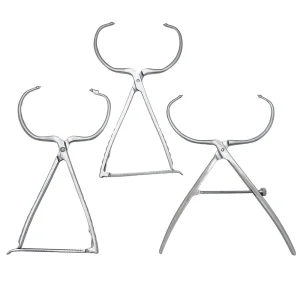
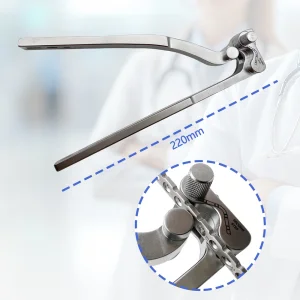
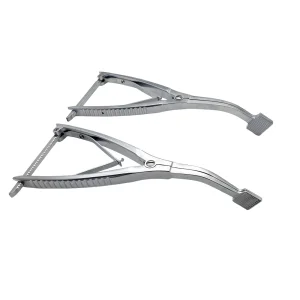
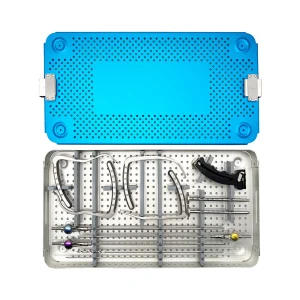
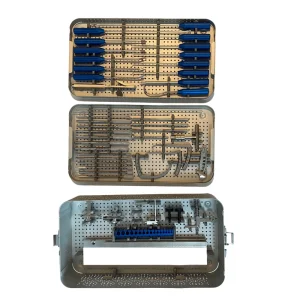
Rapid deployment sets for tibial reduction and bone grafting are essential for Level 1 trauma centers. Traceability and rapid replacement of instruments like Reduction Forceps are critical for hospital operations.
For international wholesalers and brand owners, navigating the procurement of medical instruments requires a partner that understands regulatory landscapes and trade logistics.
Our footprint covers North America (25%), South America (25%), and Southeast Asia (15%), demonstrating a deep understanding of varied regional compliance standards.
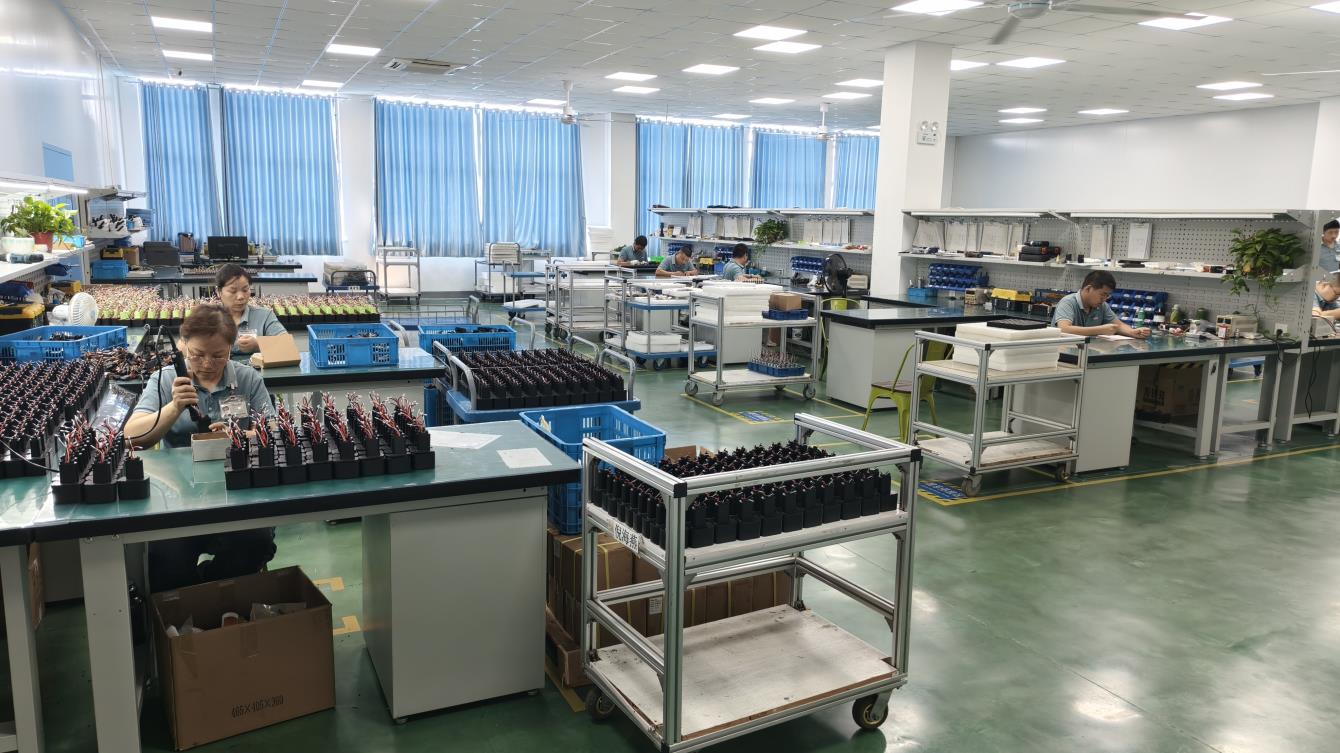
Every product undergoes rigorous random inspections or client-specific testing protocols, supported by 3 dedicated QA/QC inspectors to ensure 0% defect rates at delivery.
Accepted languages include English, ensuring clear communication for technical specifications and customization demands for brand retailers and wholesalers alike.
 Carna Medicial Technology