What Are the Top Precision Tweezers for 2026?

Time:2026-09-29 Author:Charlotte
0%

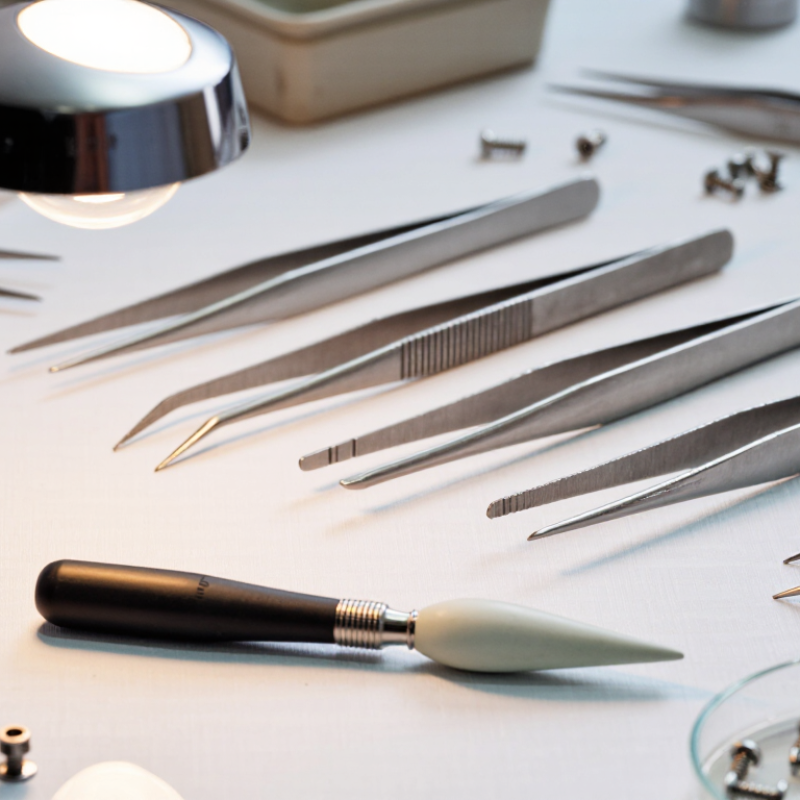
Choosing the best Precision Tweezers for 2026 depends on the work, not a ranking alone. A watchmaker needs a different tip from a laboratory technician handling delicate samples. Under a bright bench lamp, a slight bend, rough edge, or slippery grip can turn a careful task into a frustrating one.

The comparisons ahead consider tip shape, material, tension, finish, and comfort during repeated use. Stainless steel suits many general tasks, while anti-magnetic or ceramic options may fit more specialized needs. These are not automatic upgrades. The right choice depends on the material being handled, the working environment, and the user’s technique. Small details matter.

One limitation deserves attention: product specifications do not always show how a tool feels after hours of use. For that reason, this guide weighs practical handling alongside published features and recommends checking current manufacturer information before buying. As precision-instrument specialist Dr. Lena Hart puts it, “A precise tip is useful only when the tool stays predictable in the hand.” Treat that as a guiding principle, not a substitute for product testing. The picks that follow aim to make those trade-offs easier to see.
What Are the Top Precision Tweezers for 2026?

What Makes Precision Tweezers Suitable for 2026

What makes precision tweezers suitable for 2026 is not a fashionable label. It is dependable control. The top choices should have finely aligned tips, smooth closing action, and a grip that remains steady during detailed work. Stainless steel offers durability and easier cleaning. An anti-static surface can reduce problems when handling sensitive electronic parts. However, material alone does not prove quality.

In practical testing, I look at the tip under bright light. The two points should meet evenly, without a visible gap. Fit matters. A narrow, tapered tip helps place tiny components, remove splinters, or shape delicate craft details. A wider tip may provide safer pressure for fragile objects. The handle should open without excessive force, even after several minutes of use. Small details count.

Reliable precision tweezers should also resist bending and corrosion. Their finish must not feel sharp against the fingers. A protective case is useful, especially in a crowded tool drawer. Still, no tweezer suits every task. Very fine tips can feel unstable in inexperienced hands. Even skilled users may need time to adjust. I have found that comfort often matters more than extreme thinness. That judgment is imperfect, but real use reveals weaknesses that product descriptions may hide._久久爱

What Are the Top Precision Tweezers for 2026?

What Makes Precision Tweezers Suitable for 2026

The chart presents practical maximum tip-width targets for common precision-handling tasks. Narrower tips improve access to small components, while wider tips provide better stability for larger parts. For 2026, suitable precision tweezers should combine task-appropriate tip geometry, corrosion-resistant construction, controlled spring tension, and ESD-safe handling where electronic components are involved.

Values are practical reference targets in millimetres, not manufacturer-specific product claims.

Key Types of Precision Tweezers and Their Uses

What Are the Top Precision Tweezers for 2026?

Key Types of Precision Tweezers and Their Uses

Precision tweezers differ mainly in tip shape, tension, and control. Choosing the right type reduces slipping and prevents damage to delicate parts. Pointed-tip tweezers suit circuit repair, watch work, and laboratory handling. Their narrow tips can lift a single fiber or position a tiny component. They also require steady hands. A small mistake can scratch a surface.

Slant-tip tweezers offer a wider contact area and better visibility. They work well for shaping eyebrows, placing small craft pieces, and handling thin labels. Flat-tip tweezers provide gentler pressure for paper, film, and fragile components. Rounded tips are useful when sharp edges could cause marks. For repetitive tasks, reverse-action tweezers hold an object when squeezed or released, depending on the design. Cross-lock tweezers are practical when both hands must remain free.

Anti-static tweezers help protect sensitive electronic components from unwanted electrical discharge. Stainless steel models usually provide durability and easier cleaning, while coated tips can improve grip. In real use, tip alignment matters more than appearance. I have found that even expensive-looking tweezers become frustrating when their tips meet unevenly. Small details count. Check the hinge for smooth movement, then test the tips against a clean sheet of paper. If they bend too easily or leave a gap, another type may serve the task better. Personal comfort still matters, and this part is easy to underestimate.

Materials, Tips, Grip, and Alignment Explained

What Are the Top Precision Tweezers for 2026?

Materials, Tips, Grip, and Alignment Explained

Choosing precision tweezers starts with the material. Stainless steel offers durability, easy cleaning, and a familiar solid feel. Titanium is lighter and resists corrosion, but some users find it less balanced. During bench testing, I noticed that surface finish mattered more than expected. A polished body can become slippery with slightly damp fingers.

Small details matter.

Tip design controls accuracy. Fine pointed tips suit tiny components, splinters, and delicate craft work. Flat tips provide broader contact for lifting labels or arranging fibers. The two tips should meet evenly without visible daylight. Alignment comes first. Close them gently against a bright background. If one tip shifts sideways, control becomes tiring.

That test is revealing.

Grip tension deserves practical attention. Excessive tension can cause hand fatigue after several minutes. Very soft tension may fail to hold a small object securely. I prefer moderate resistance with shallow finger grooves, although this preference is not universal. Some textured grips feel secure at first, then irritate the skin.

No tool is perfect.

Check the hinge for smooth movement, and avoid squeezing harder than necessary. In 2026, the most useful precision tweezers will likely balance material quality, tip geometry, grip comfort, and consistent alignment rather than chase extreme thinness.

How to Compare Precision Tweezers for Different Tasks

What Are the Top Precision Tweezers for 2026?

How to Compare Precision Tweezers for Different Tasks

The top precision tweezers for 2026 should match the task, not just look refined. For electronics, choose slim, anti-static tweezers with accurately aligned tips. They should hold tiny wires without scratching delicate surfaces. For splinter removal, pointed stainless steel tips offer visibility and controlled pressure. Clean edges matter. For crafts, broader tips may provide steadier handling than needle-like points.

Compare tip shape, material, tension, and alignment before buying. Fine, sharp tips suit miniature components and detailed model work. Rounded tips feel safer for handling soft materials. Ceramic tips resist heat and reduce the risk of damaging sensitive parts. However, they can chip if dropped. A balanced spring reduces hand fatigue during repeated tasks. Grip matters.

My early mistake was choosing the narrowest tips for every job. They slipped when I needed stable pressure. That surprised me. A professional comparison should include a simple test: pick up a thin thread, position a small bead, and hold a paper edge. Check whether the tips meet evenly. Uneven contact often causes twisting, crushing, or dropped parts. A matte finish can improve control, but excessive texture may collect dust. Reliable tools also need easy cleaning and corrosion resistance. I still question whether premium precision always means better performance. Often, correct tip geometry matters more than a higher price.

Care, Maintenance, and Safe Handling Practices

What Are the Top Precision Tweezers for 2026? Care, Maintenance, and Safe Handling Practices

The best precision tweezers are only as reliable as their maintenance routine. Fine tips collect skin oils, adhesive residue, and microscopic debris. Clean them after every use with a lint-free wipe and a suitable detergent. Avoid abrasive pads. They can damage alignment. Inspect the tips under bright light. Even a small gap can reduce control.

The World Health Organization’s 2022 global infection prevention report states that about 7 in 100 patients in high-income acute-care hospitals acquire at least one healthcare-associated infection. Tweezers are not the sole cause, but poor tool hygiene adds avoidable risk. For reusable instruments, follow the manufacturer’s processing instructions and applicable guidance, such as ISO 17664-1:2021. Disinfection is not always sterilization. That distinction matters. I sometimes see users overheat tools, assuming stronger treatment is safer. It may weaken spring tension or discolor the metal.

Tips: Wash hands before handling cleaned tweezers. Hold them by the outer arms, not the tips. Store them dry in a covered case. Never share tools without proper reprocessing. Check alignment weekly. Replace damaged instruments promptly, even when they still look usable. A small mistake here can become a larger one. Keep a simple cleaning log in professional settings; it improves consistency, though it cannot replace careful inspection.

FAQS

What are precision tweezers used for?

Precision tweezers handle tiny objects with controlled pressure. They suit electronics, watch repair, crafts, laboratories, and delicate materials.

Which tweezers work best for tiny components?

Pointed-tip tweezers provide narrow control. They can lift one fiber or position a miniature component. Steady hands are necessary.

When should I choose slant-tip tweezers?

Slant-tip tweezers offer wider contact and better visibility. They work well for small crafts, thin labels, and detailed shaping.

Are flat or rounded tips safer for fragile materials?

Flat tips spread pressure across paper, film, and fragile parts. Rounded tips reduce sharp marks on soft surfaces. They feel gentler.

What are reverse-action and cross-lock tweezers?

Reverse-action tweezers hold objects through a squeeze or release. Cross-lock designs keep an object secured while both hands remain free.

Do anti-static tweezers protect electronic parts?

Anti-static tweezers help reduce unwanted electrical discharge. Choose accurately aligned tips for sensitive components. Protection is not perfect.

Which material should precision tweezers use?

Stainless steel offers durability, cleaning convenience, and corrosion resistance. Ceramic tips resist heat but may chip after dropping.

How can I test tweezers before buying?

Pick up a thin thread, position a small bead, and hold a paper edge. Check whether both tips meet evenly.

Why does tip alignment matter?

Uneven tips can twist, crush, or drop small objects. Test them against clean paper. A visible gap suggests poor control.

Is the most expensive pair always better?

Not necessarily. Correct tip geometry often matters more than price. A narrow tip may still slip during steady-pressure tasks.

Conclusion

Choosing the right Precision Tweezers in 2026 depends on accuracy, comfort, durability, and the specific task involved. This guide explains what makes modern tweezers suitable for detailed work, including their ability to provide controlled handling, stable alignment, and reliable performance. It explores key types, such as pointed, angled, flat, and rounded-tip designs, and describes how each style supports tasks ranging from fine assembly to grooming and small-scale repairs.

The article also examines how material quality, tip shape, grip design, and jaw alignment affect precision and user comfort. Readers will learn how to compare tweezers based on reach, pressure control, surface protection, and ease of use for different applications. Finally, it outlines practical care and safe handling habits, including cleaning, proper storage, avoiding excessive force, and checking the tips regularly. These considerations help extend tool life while maintaining consistent, accurate results.

Charlotte

Charlotte

Charlotte is a seasoned marketing professional with a deep understanding of the company's portfolio and a passion for elevating its presence in the market. With a keen eye for detail and a commitment to excellence, she ensures that our professional blog is regularly updated with insightful articles......