Explore our premium select range of surgical utensils, precision benders, strippers, and customized orthopedic assembly products designed for aseptic handling workflows.
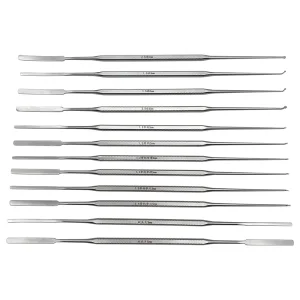
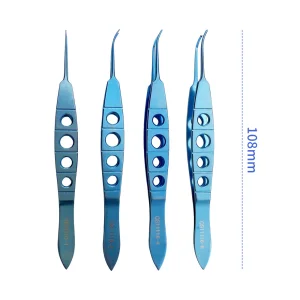
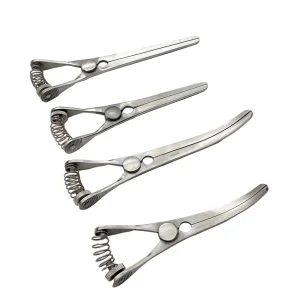
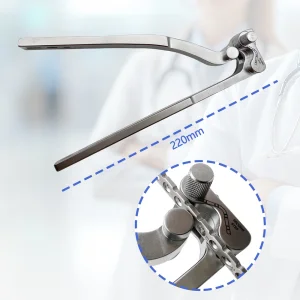
In modern sterile processing departments (SPD) and Central Sterile Supply Departments (CSSD), the humble surgical tray has evolved from a simple transport container to a critical parameter in sterilization kinetics and infection prevention. A poorly designed surgical tray system compromises the autoclave steam penetration barrier, triggers wet pack phenomena, and endangers critical instrumentation integrity during rapid-transit physical manipulation.
As a leading China wholesale surgical trays manufacturer, we engineer sterilization containment systems that align with global biosecurity mandates. The dynamic mechanics of thermal sterilization require that medical baskets maintain strict structural permeability. By incorporating advanced open-mesh side panels, optimized drainage flow profiles, and high-temperature biocompatible silicone brackets, our trays minimize the physical contact surface of surgical instruments by up to 34%. This deliberate design ensures comprehensive exposure to sterilizing agents—whether saturated steam, ethylene oxide (EtO), or low-temperature hydrogen peroxide plasma.
The operational lifecycle of a clinical autoclave tray is defined by its ability to resist repeated thermal cycling (often reaching temperatures up to 134°C under 2.2 bar pressure) without material fatigue, stress cracking, or discoloration. We select materials based on strict performance criteria:
The global medical device market demands high precision combined with cost control. Procuring directly from a specialized manufacturer in China provides distinct strategic advantages that extend far beyond competitive price structures.
Our manufacturing facility leverages direct, localized raw material sourcing. We test incoming steel melt runs for chemistry compliance to guarantee consistency and trace all materials back to the mill source.
Using advanced CNC fiber lasers, robotic welding, and specialized tooling systems, we maintain dimensions within +/- 0.1 mm, ensuring compatibility with standard DIN sterilization containers.
We perform automated chemical passivation (ASTM A967 compliant) to restore a chrome-oxide passive layer on our stainless steel products, protecting them from aggressive chemicals during pre-cleaning.
When procurement managers purchase surgical trays, focusing solely on unit price can be a costly mistake. Poorly manufactured wire baskets often suffer from failed spot-weld joins, sharp burrs that pierce sterilization wraps, or chemical residues from manufacturing. These defects can lead to premature replacement costs and increase the risk of surgical site infections (SSIs) due to compromised sterile packaging.
By integrating rigorous quality control checks and utilizing advanced automated manufacturing lines in China, we deliver high-performance surgical trays that lower total cost of ownership. Each tray undergoes visual inspection under magnification, electrolytic deburring, and manual surface verification. This level of quality ensures our products perform reliably through thousands of autoclave cycles.
Consistent, transparent operational metrics and strict quality standards form the foundation of our manufacturing processes, ensuring reliable global logistics and regulatory compliance.
| Company Est. Date | 2019-11-20 |
| Exporting Experience | 6 Years of direct global distribution |
| In-Industry Expertise | 6 Years specialized design engineering |
| Primary Markets | North America (25%), South America (25%), Southeast Asia (15%) |
| Quality Assurance | Material traceability (chemical analysis logs) |
| QC Inspectors | 3 Dedicated QA/QC engineers on assembly lines |
| QC Methodology | Random inspection & client-specified testing protocols |
| Customization Options | Sample processing, graphic customization, customized layout design |
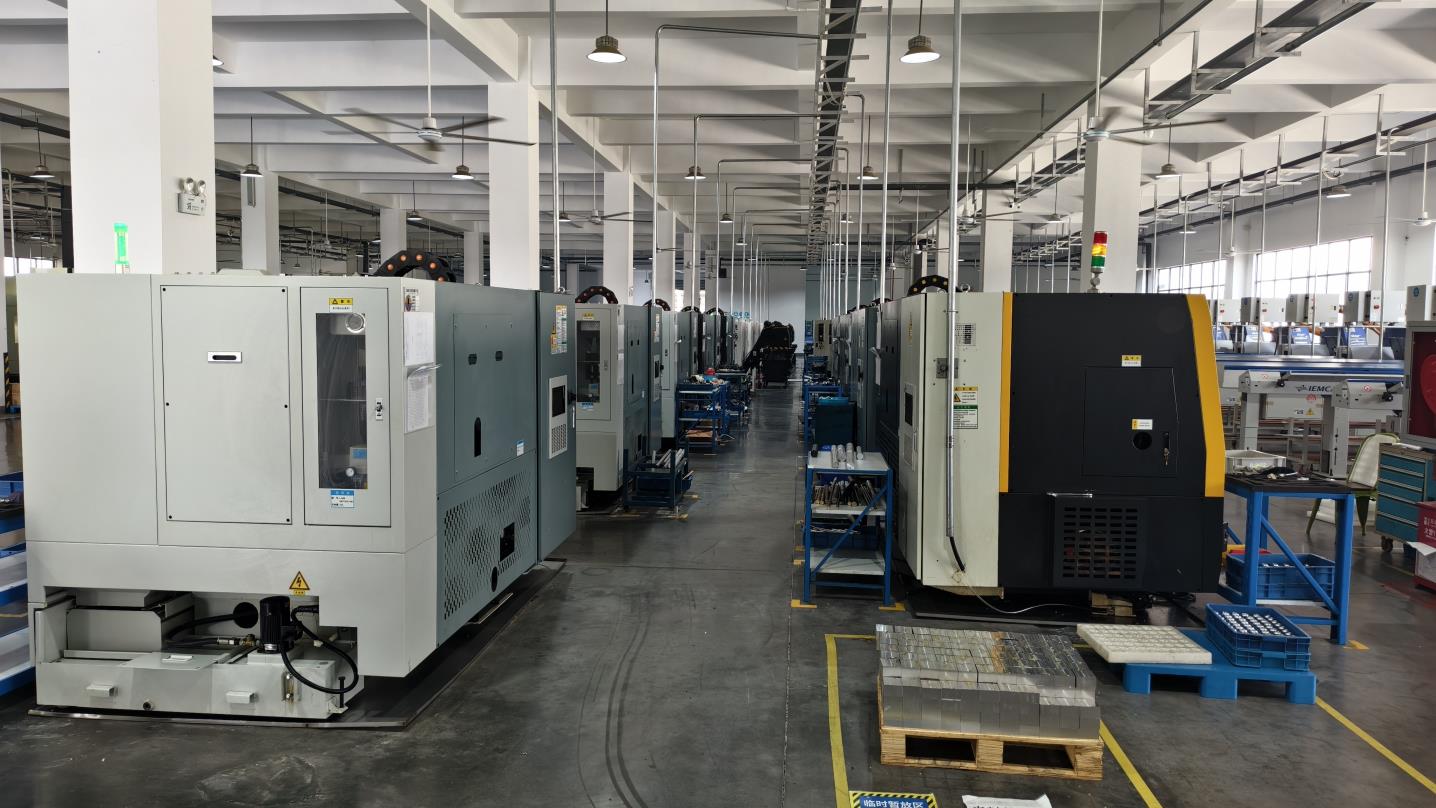
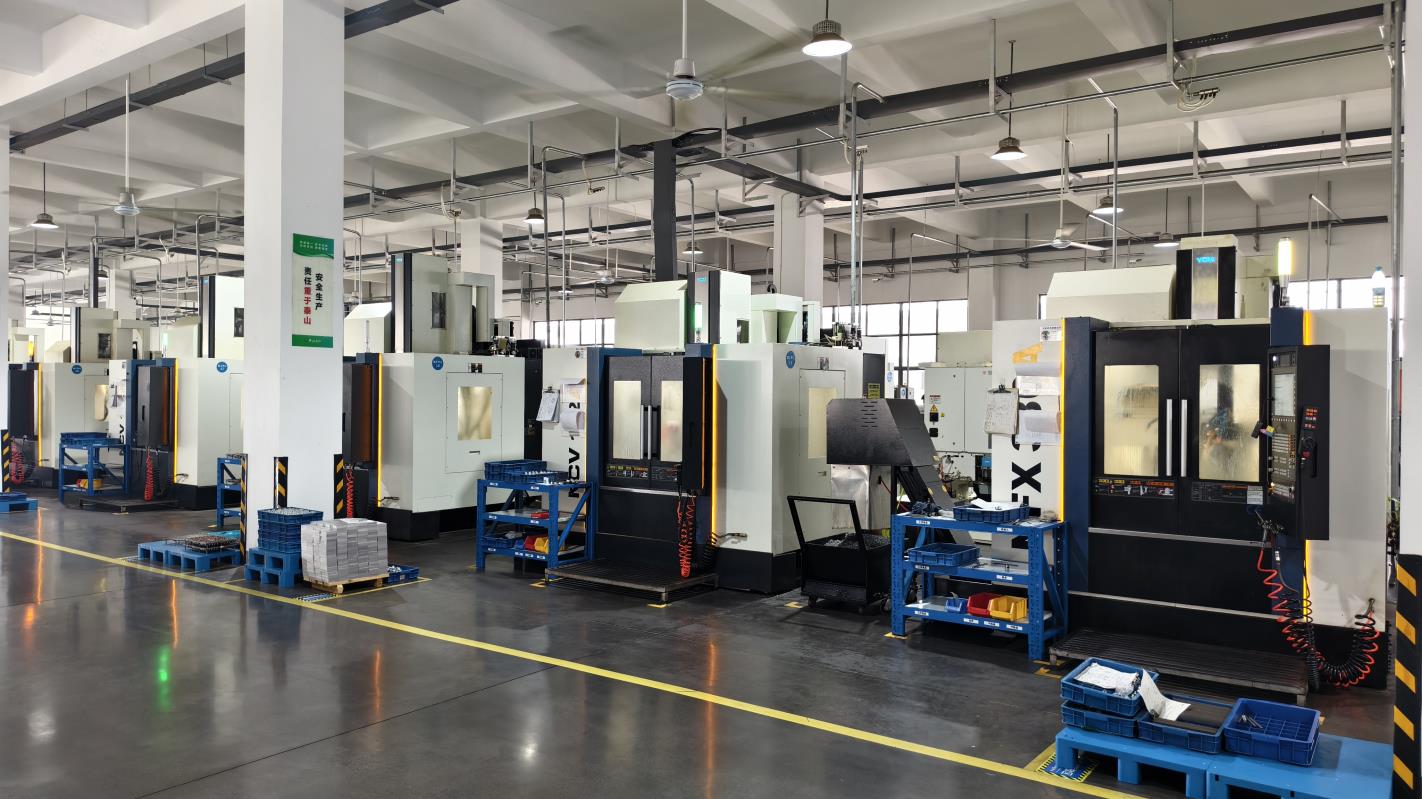
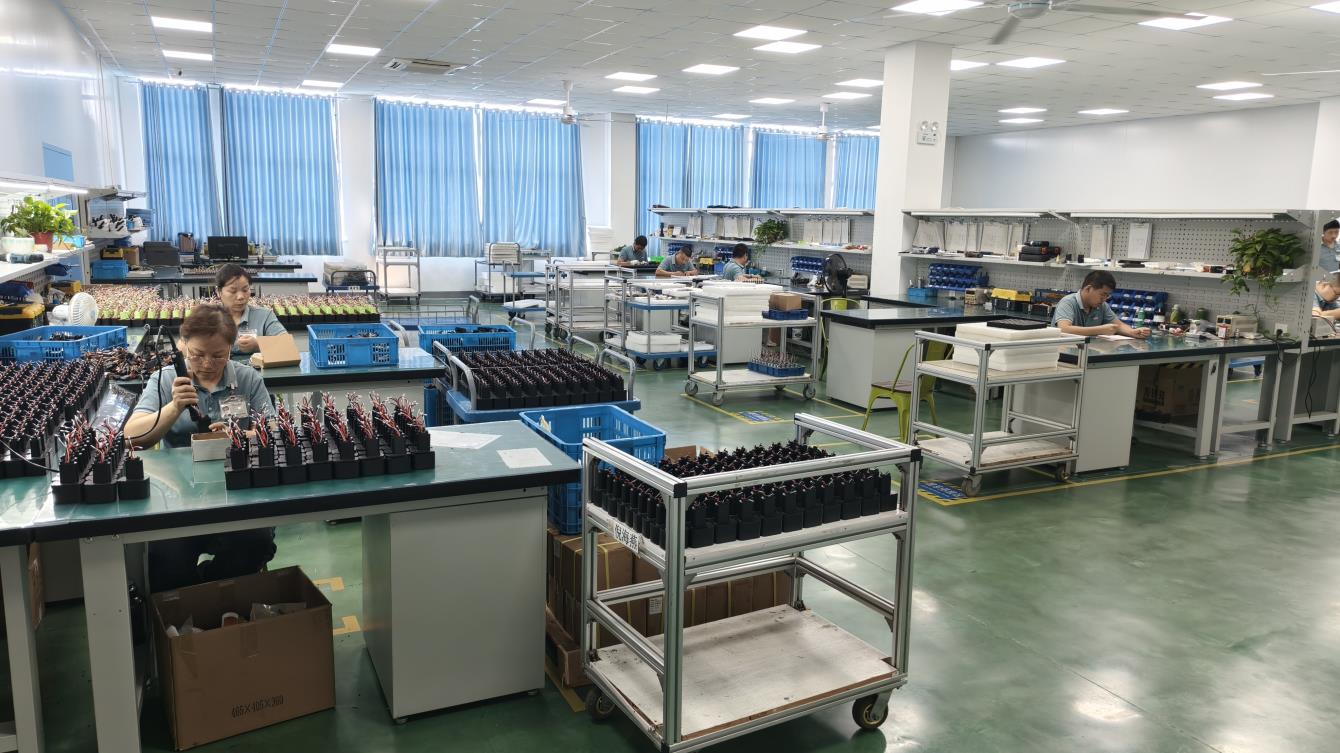
The medical device packaging industry is undergoing rapid changes driven by digitization, stricter regulatory audits, and the optimization of hospital CSSD workflows. When selecting a sterilization container partner, it is important to choose one that aligns with these macro industry trends.
Global regulatory bodies, including the US FDA and European Union MDR, mandate strict tracking of surgical instruments to their clinical point of use. Modern sterilization trays are increasingly designed to accommodate high-contrast laser-etched 2D DataMatrix codes, or structured RFID transponder mounts. Our trays are designed with dedicated identification zones, ensuring hospitals can reliably track their assets through cleaning, packing, sterilization, and patient deployment.
Repeated lifting of heavy instrument containers poses physical risks for CSSD personnel. The Association for the Advancement of Medical Instrumentation (AAMI) sets guidelines to limit total package weight. To meet these standards, our engineering team uses honeycomb side panels, customized material profiles, and composite hybrid materials. These designs reduce overall tray weight while maintaining structural strength, ensuring the trays do not warp during vacuum autoclave cycles.
Standard open-mesh baskets are no longer sufficient for complex surgical instrument sets. Orthopedic, spinal, and microscopic surgical kits require precise, customized layouts. Using custom silicone brackets and retaining pins, each tool is secured in place. This layout prevents contact between instruments, helps avoid damage to delicate micro-tips, and simplifies the assembly verification process for surgical technicians.
Every surgical specialty has specific requirements for handling, cleaning, and protecting its instrumentation. We provide specialized tray designs tailored to various clinical environments:
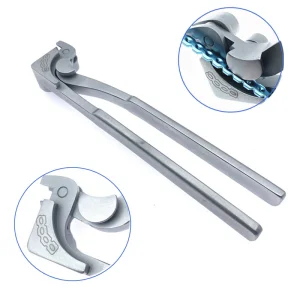
Orthopedic procedures require heavy-duty implants, templates, and benders. Our trays are designed to support heavy tools and incorporate secure silicone brackets. This ensures deep benders, stabilizers, and screw cases remain organized and undamaged during high-pressure transport.
Neurosurgical procedures involve delicate micro-forceps, dissectors, and scissors. Our trays utilize ultra-fine mesh baskets and soft-grip silicone inserts to prevent movement and protect delicate micro-tips during sterilization and storage.
Veterinary clinics require cost-effective, durable sterilization trays. Our standard stainless steel and aluminum cassettes offer excellent durability and thermal efficiency, providing an economical choice for high-volume veterinary practices.
For large hospital networks and medical device brands, we provide complete, integrated solutions. This includes developing custom tray graphics to match specific instrument sets, fabricating prototype samples within short timelines, and establishing reliable production schedules to support new product launches.
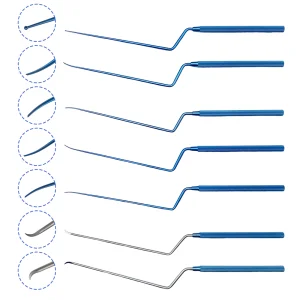
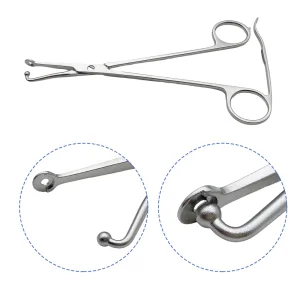
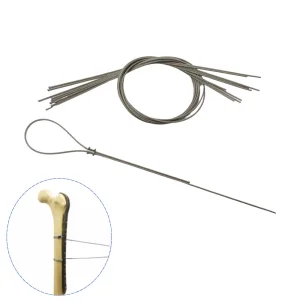
Browse our complete catalog of precision surgical instruments, specialty orthopedic benders, locator tools, and orthopedic accessories designed to fit our sterilization tray systems.

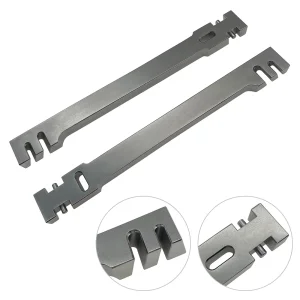
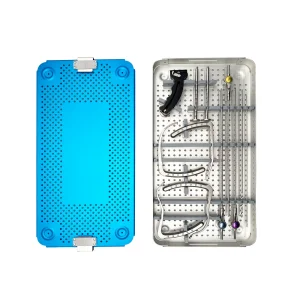
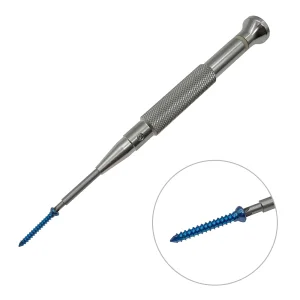
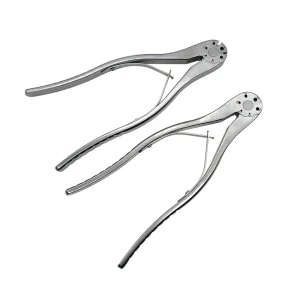
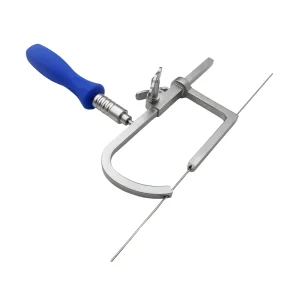
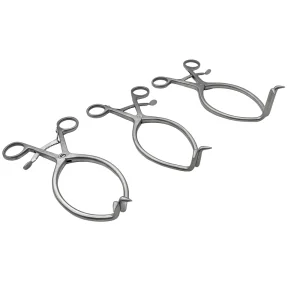
We combine advanced machinery, precise laser cutting, and standardized assembly protocols to produce high-durability medical-grade sterilization trays.
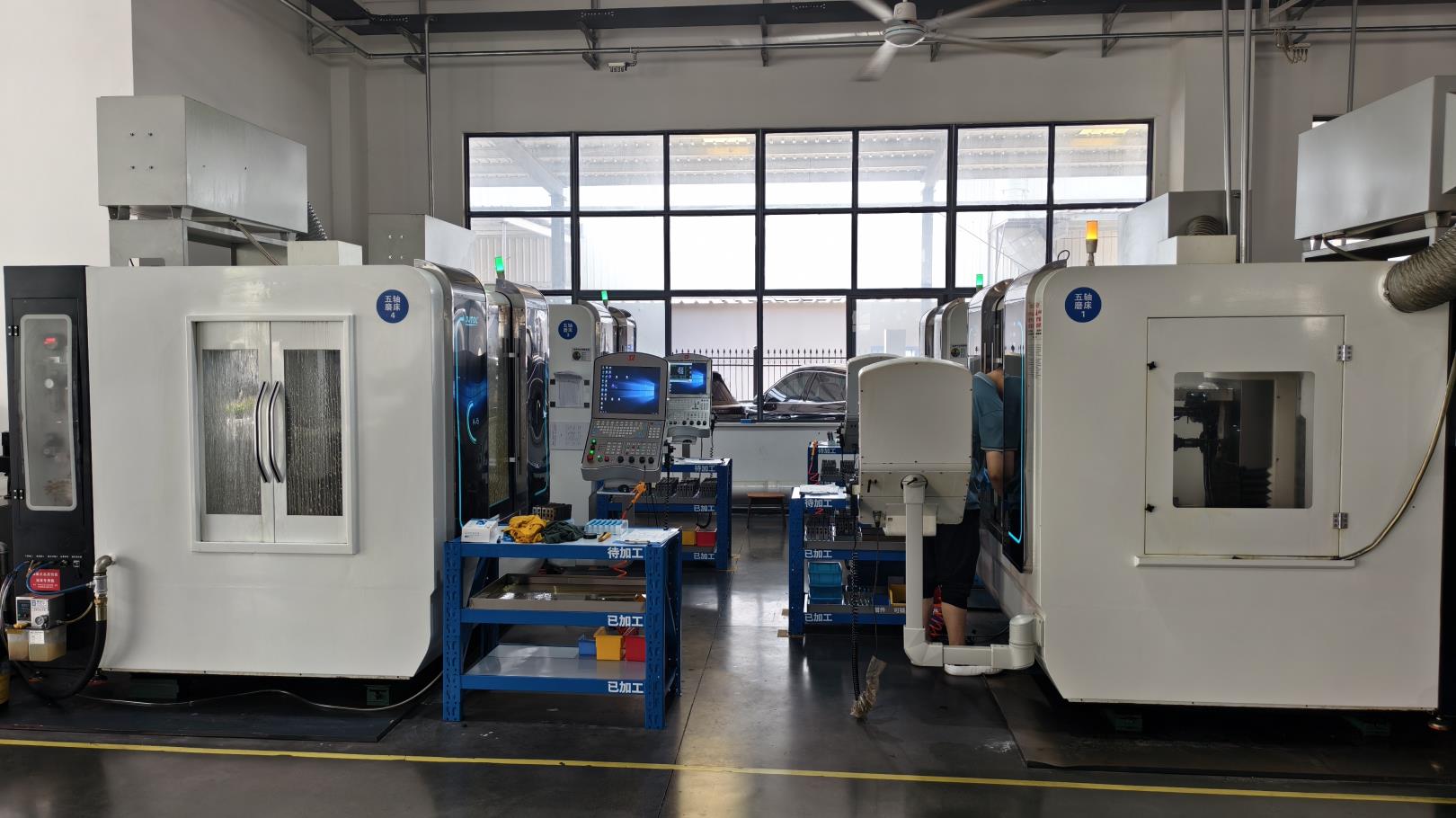
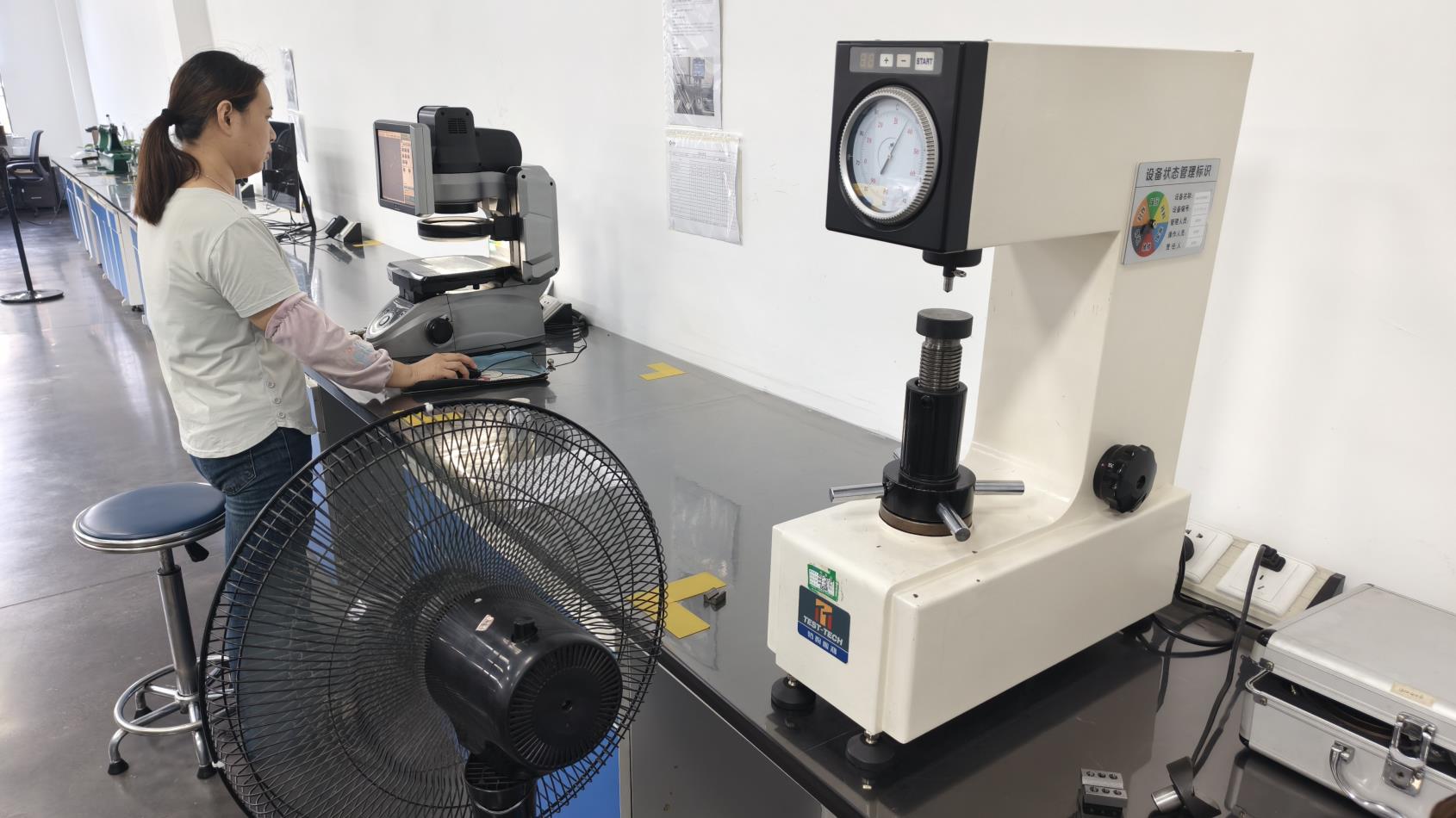
Got questions about sourcing high-quality medical device components directly from China? Read our comprehensive FAQ section to learn about our quality standards, material selection, and custom capabilities.
 Carna Medicial Technology