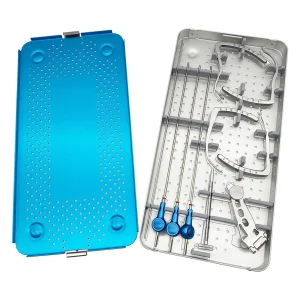
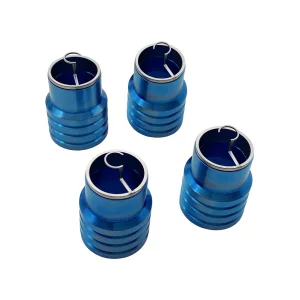
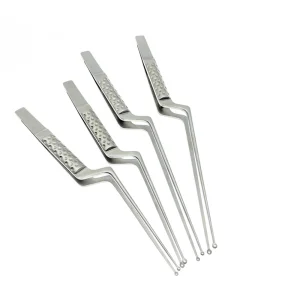
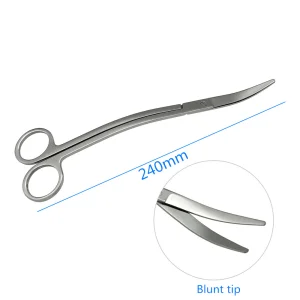
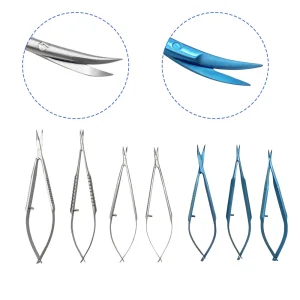
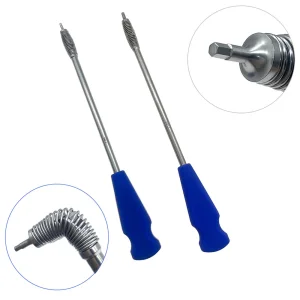
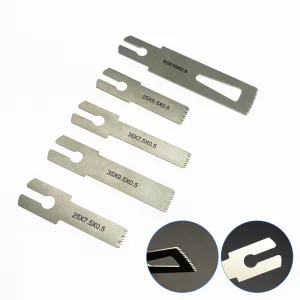
In the modern healthcare landscape, the concept of a "Surgical Workstation" has evolved from a simple mechanical table to a hyper-integrated command center. As hospitals transition to Ambulatory Surgery Centers (ASCs) and hybrid operating rooms, the demand for Custom OEM Surgical Workstations has skyrocketed. Factories are no longer just metal fabricators; they are technology integrators ensuring that robotic arms, 4K visualization systems, and life-support modules coexist in an ergonomic, sterile environment.
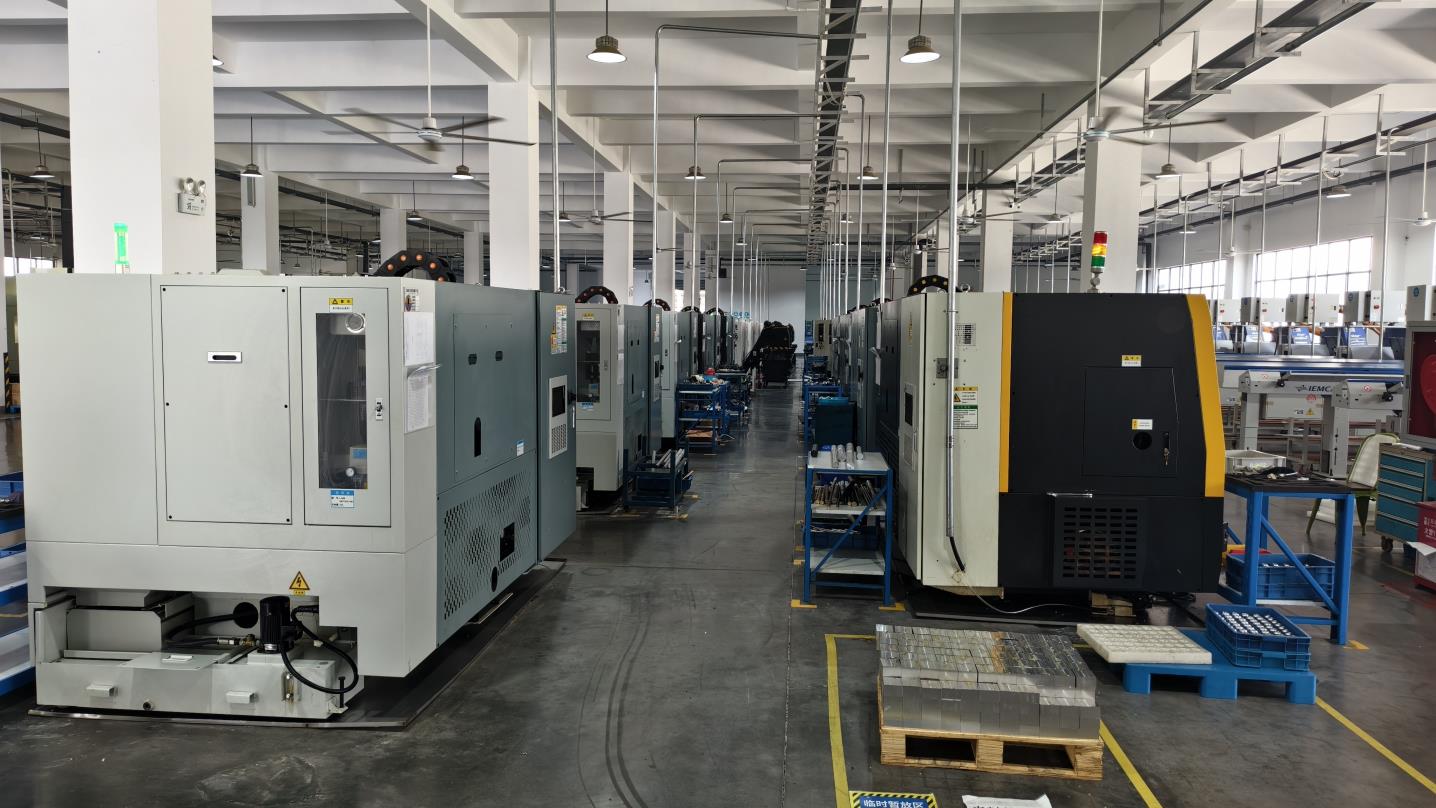
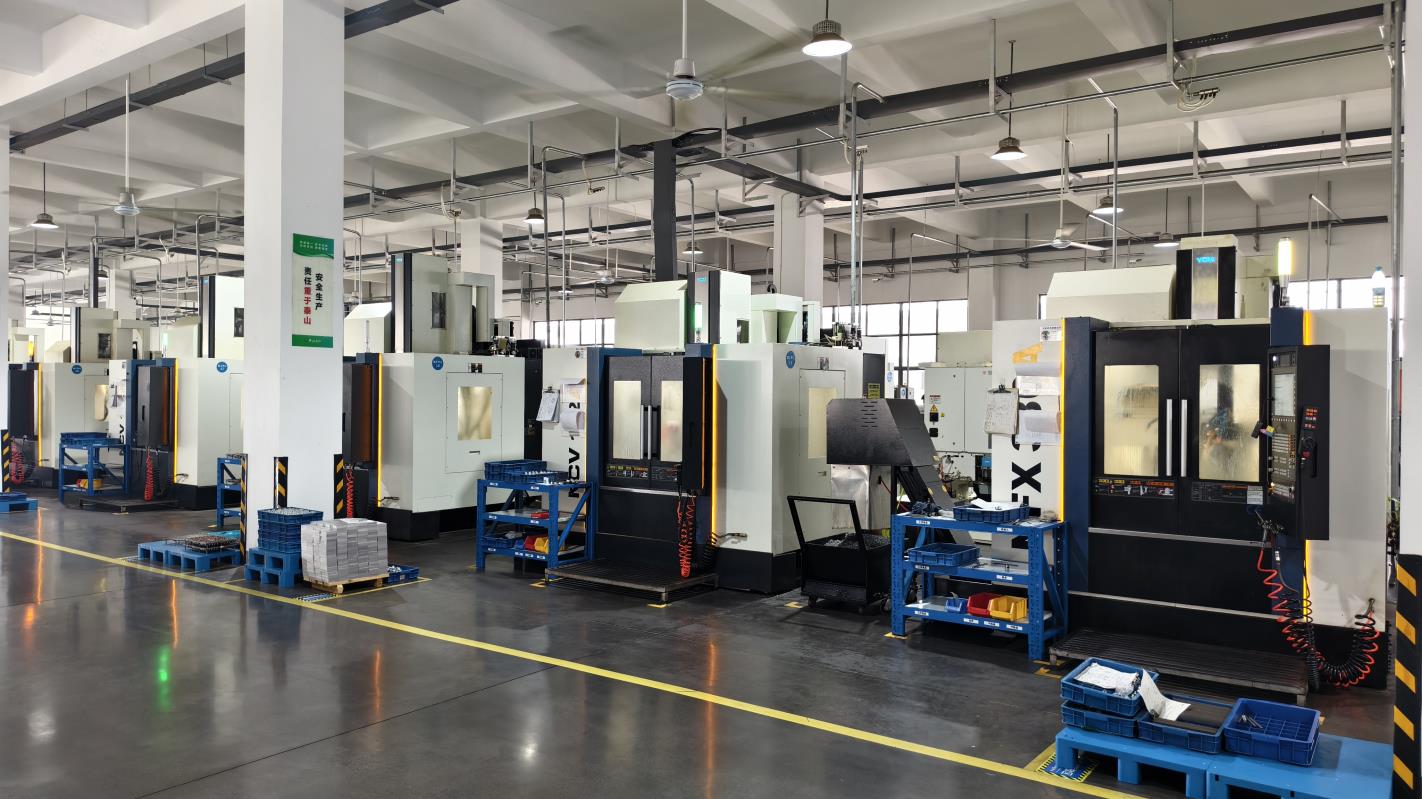
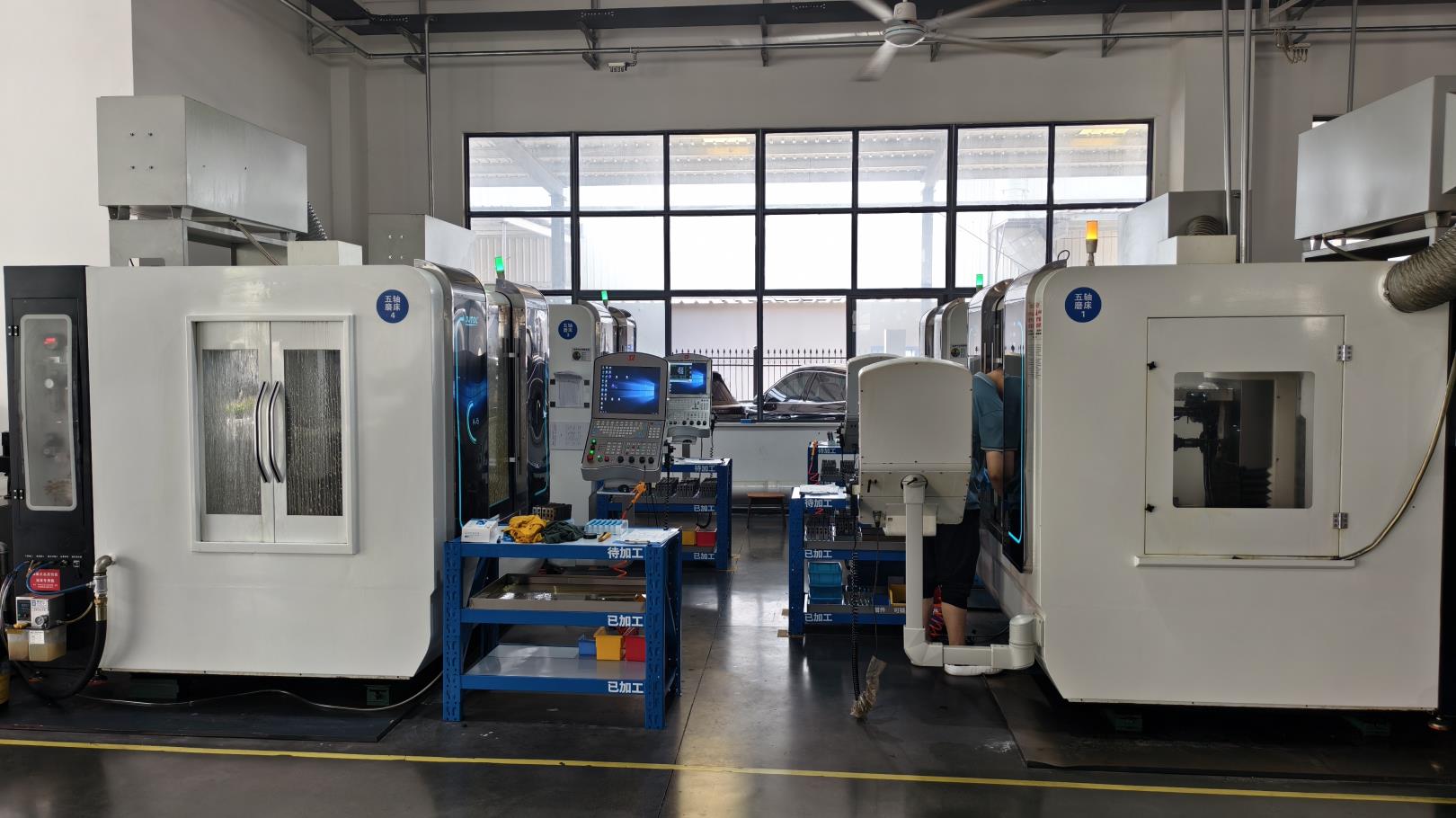
China's dominance in the Surgical Instrument and Workstation supply chain is rooted in industrial clusters like those found in medical manufacturing zones. By integrating raw material sourcing (Medical Grade 316L Stainless Steel and Titanium Alloys) with advanced CNC machining and surface treatment, Chinese suppliers offer a 40% lead-time advantage over traditional manufacturers.
Specialized workstations for Ophthalmic and Neurosurgery requiring micro-vibration dampening and integrated microscope mounting systems.
Durable, high-load orthopedic workstations designed for veterinary clinics, focusing on ease of cleaning and versatile patient positioning.
Experimental surgical suites for medical device testing, providing full telemetry integration and data logging capabilities.
As a leader in the medical manufacturing sector, we track the shifts in global procurement requirements and technology integration.
The next generation of workstations will incorporate AI-driven environmental controls, adjusting lighting and tool accessibility based on the surgeon's real-time needs. Modular OEM solutions are now preparing for this by embedding smart sensors and IoT connectivity into the base chassis of workstations.
Global enterprises are demanding materials that withstand aggressive hydrogen peroxide vapor sterilization without degradation. Our focus on advanced titanium coatings and biocompatible polymers addresses these long-term durability concerns.
| Metric | Detail | Metric | Detail |
|---|---|---|---|
| Registration Date | 2019-11-20 | Exporting History | 6 Years |
| Accepted Languages | English | Industry Focus | Medical Instruments & OEM |
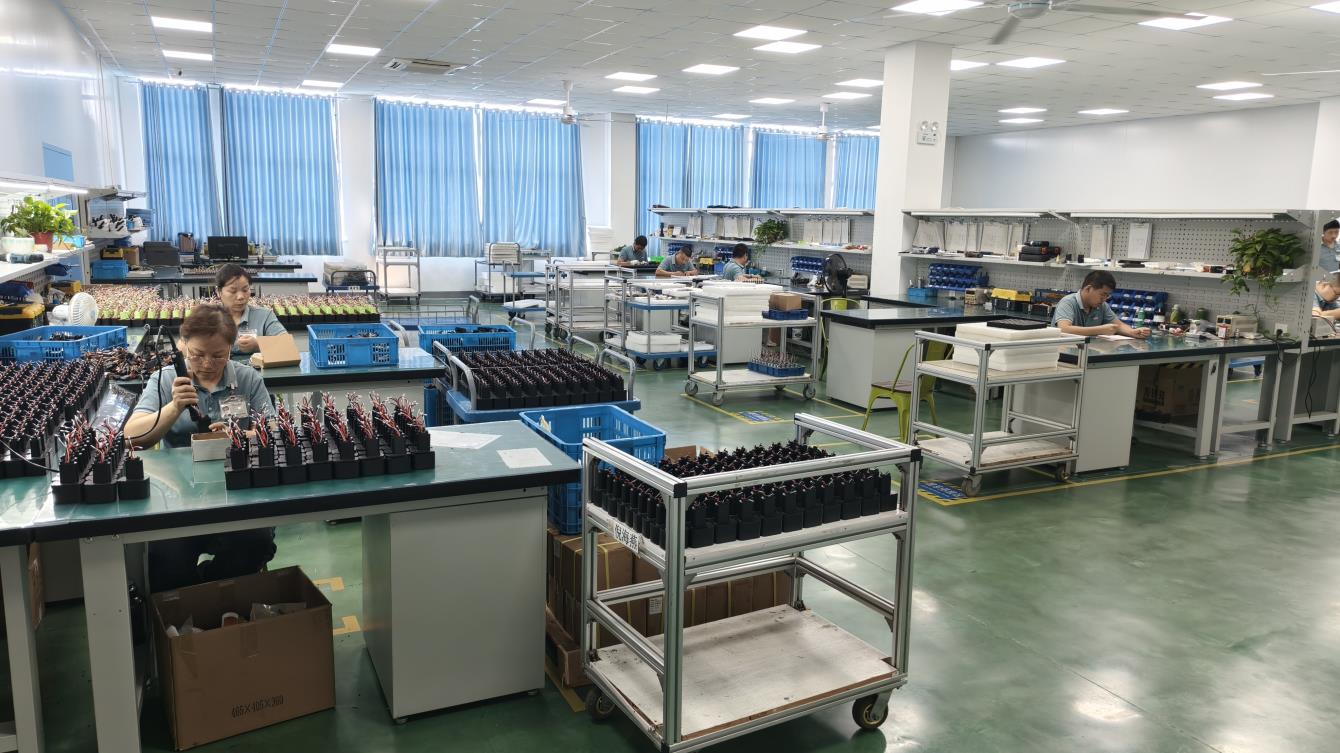
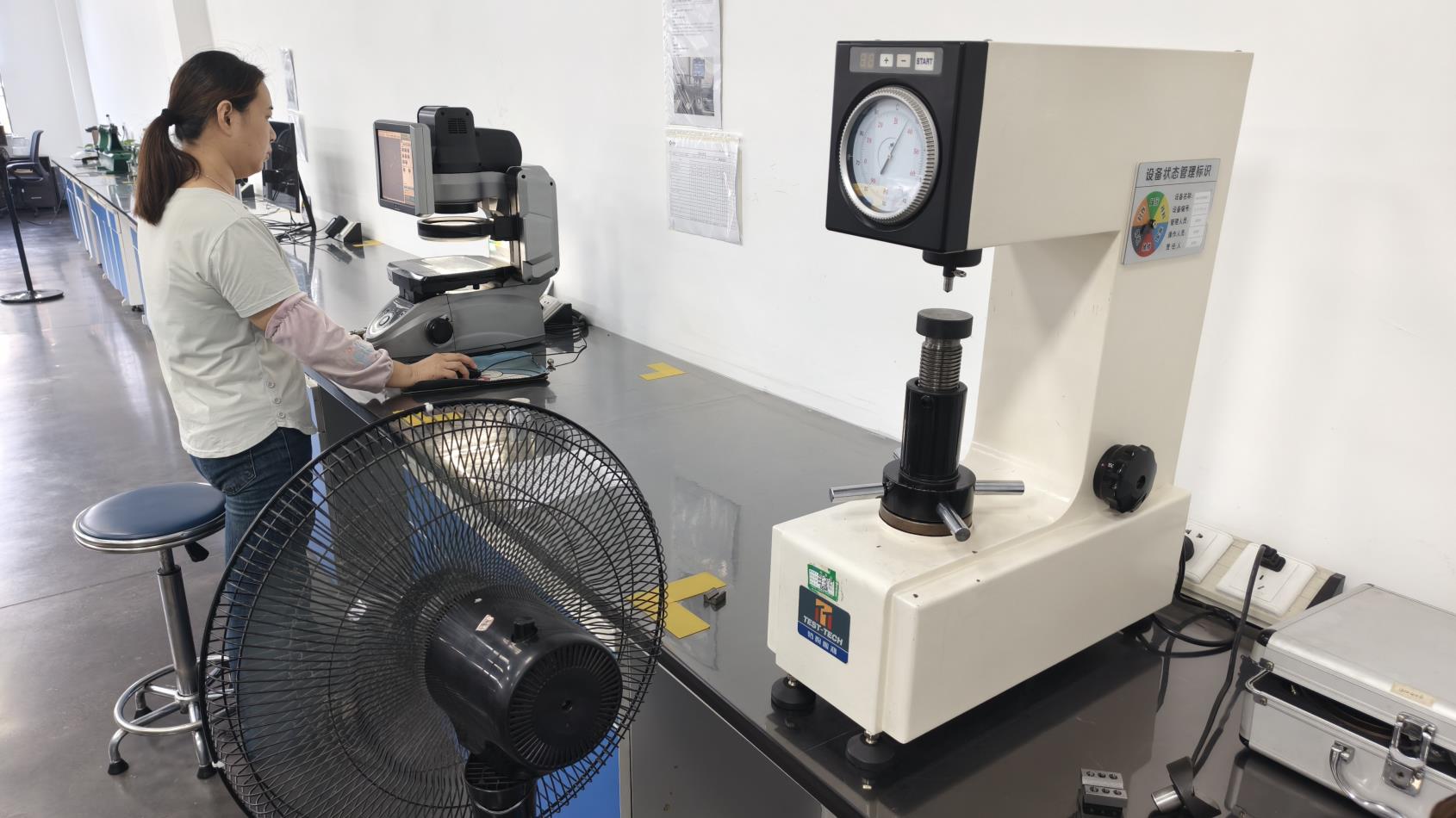
| QA/QC Team | 3 Certified Inspectors | Traceability | Raw Materials Tracked (Yes) |
| Customization | Sample, Graphic, Demand-based | Main Markets | North/South America (50%), SE Asia (15%) |
 Carna Medicial Technology