In the high-stakes environment of modern surgery, the scalpel remains the fundamental tool where precision meets practice. As a leading OEM/ODM scalpel blades factory, our role transcends mere manufacturing; we are architects of sharp-edge technology. The global surgical blade market is projected to witness significant growth, driven by the increasing volume of surgeries worldwide, the rise of minimally invasive procedures, and a heightened focus on surgeon safety and patient outcomes.
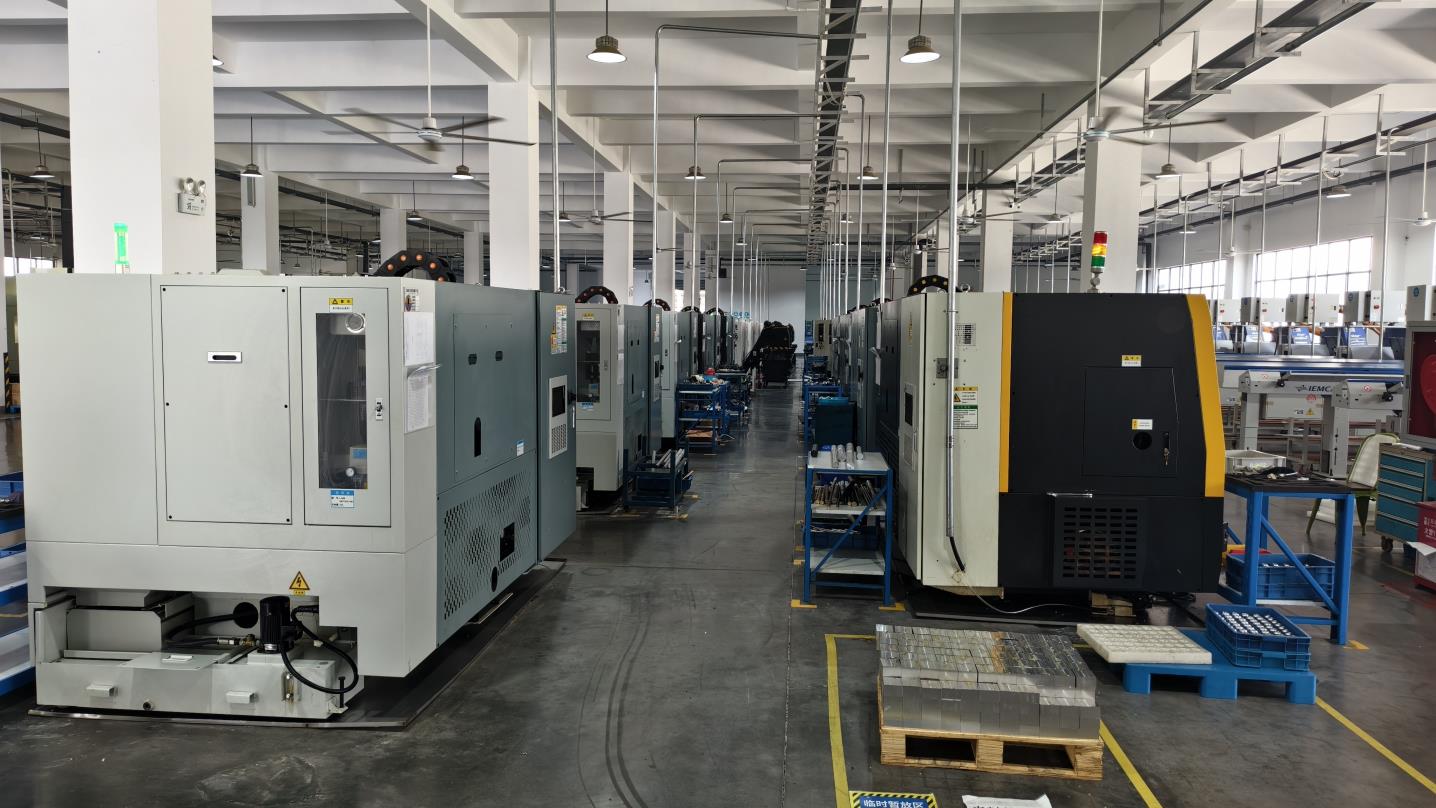
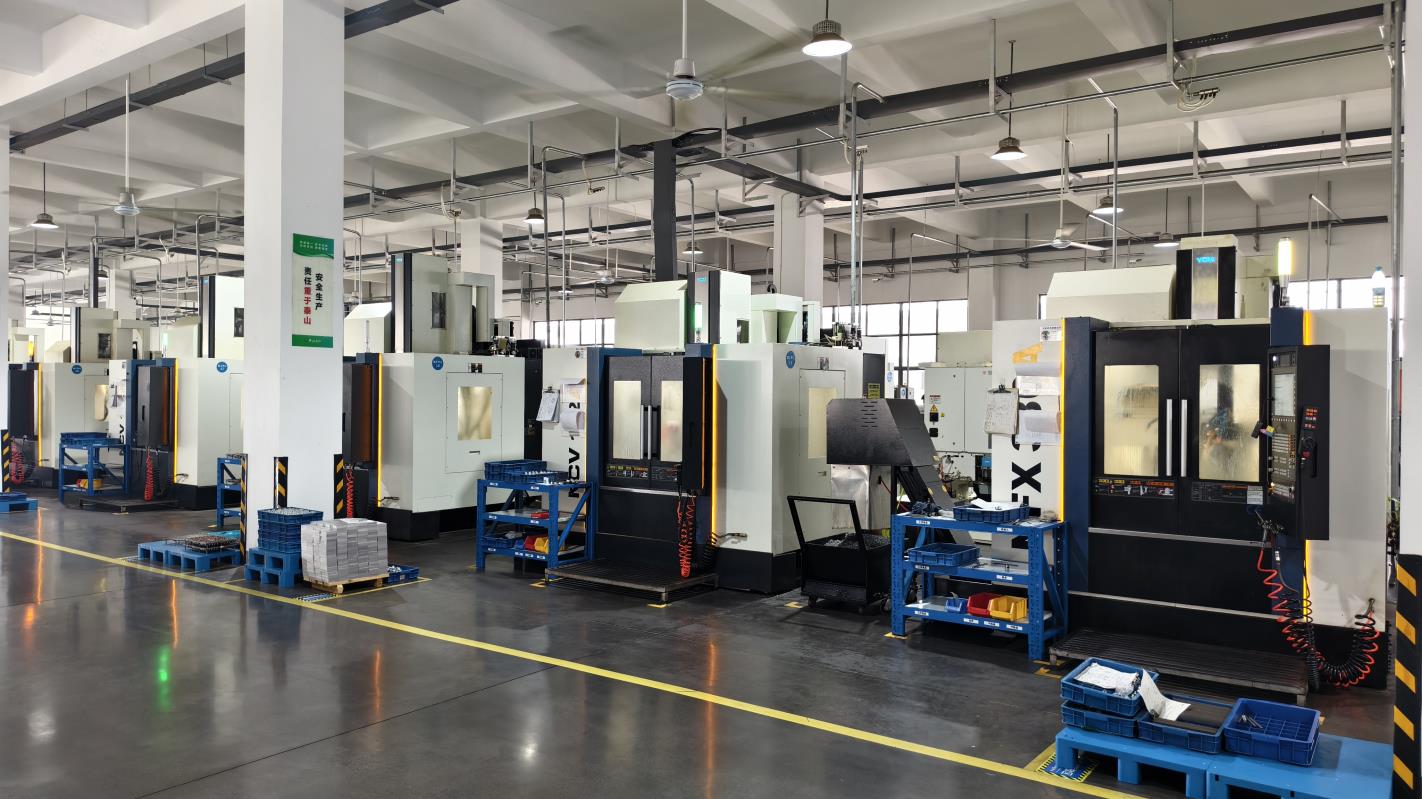
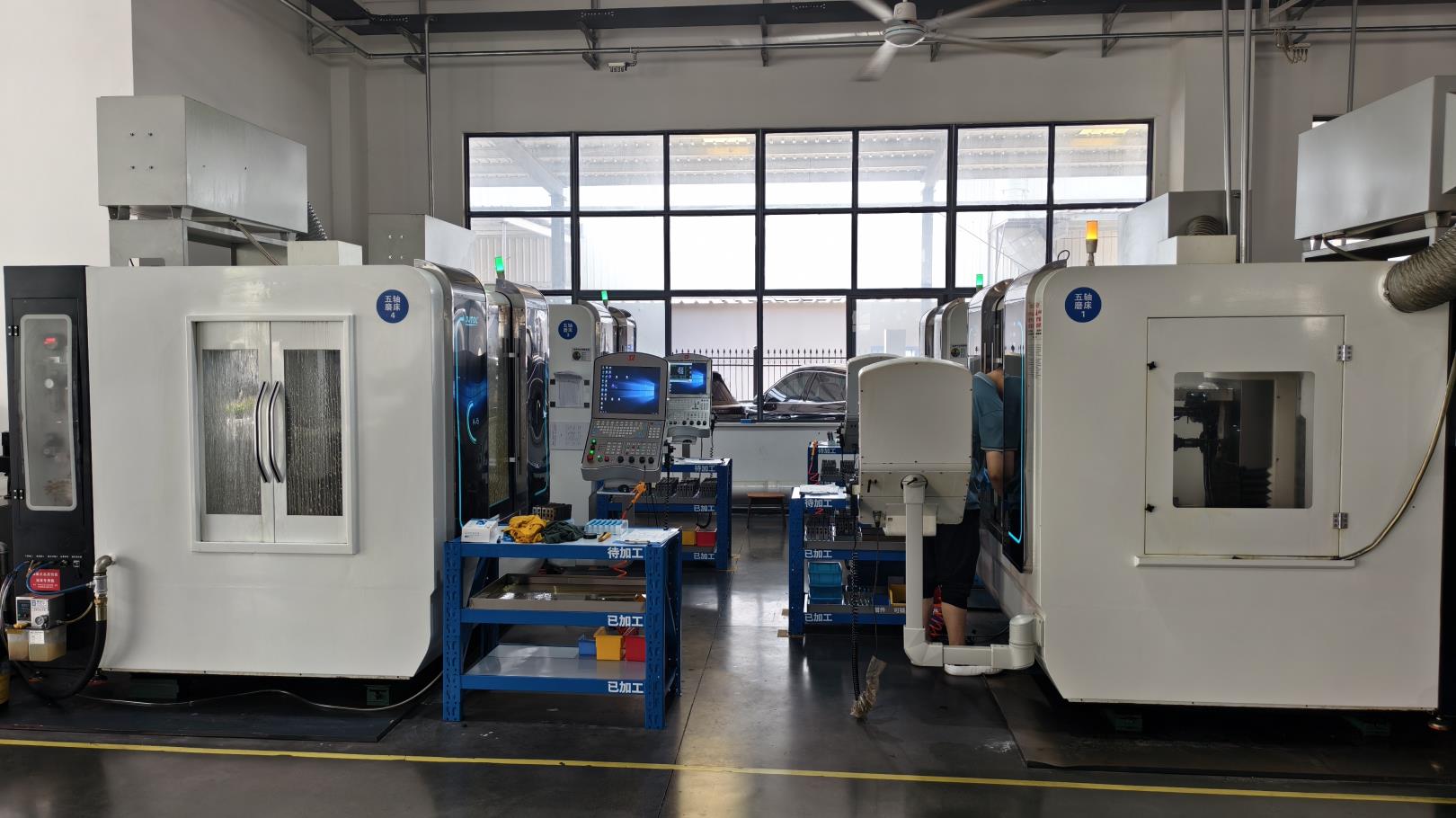
From carbon steel to stainless steel, the metallurgical composition of a blade dictates its performance. Today's industrial landscape requires factories to integrate advanced Computer Numerical Control (CNC) grinding, chemical etching, and laser-honed edge inspections to ensure every micron of the blade is optimized for a clean, atraumatic incision.
Leveraging high-grade AISI 440C stainless steel and specialized carbon variants to balance hardness, ductility, and corrosion resistance.
Multistage automated grinding processes achieve a specific Rockwell Hardness (HRC), ensuring the edge remains keen throughout complex procedures.
Utilization of Gamma Radiation or Ethylene Oxide (EtO) sterilization protocols, adhering to stringent ISO 13485 standards.
Years of Exporting Excellence
Registration & Founding Year
Traceability of Raw Materials
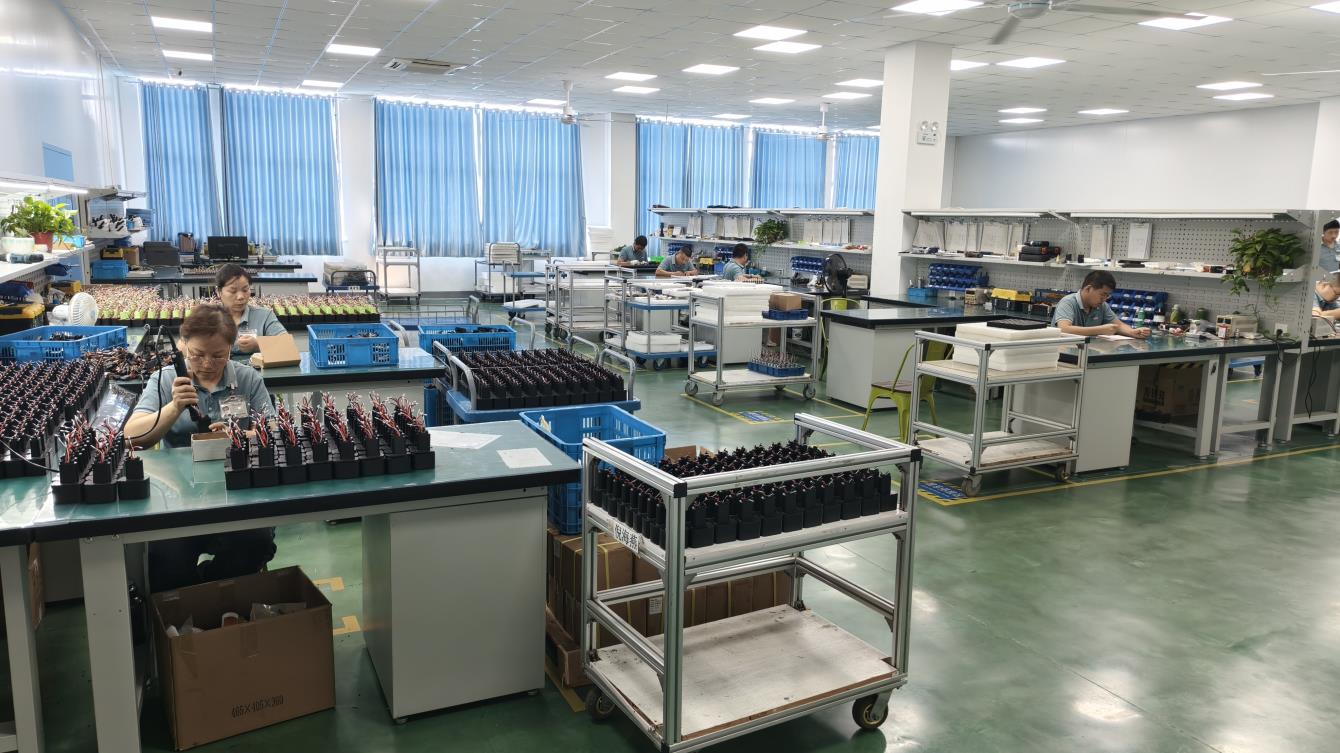
Dedicated QA/QC Inspectors
Accepted Languages: English | Main Client Types: Brand business, Retailer, Wholesaler, For private use
Main Markets: North America (25%), South America (25%), Southeast Asia (15%)
Inspection Method: Random inspection, According to client's requirement
Customization Options: Sample processing, graphic processing, customized on demand
The global scalpel blade market is shifting toward Safety Scalpels to comply with OSHA (Occupational Safety and Health Administration) regulations. OEM factories are now focusing on retractable designs and shielded blades to prevent percutaneous injuries in the operating room.
As robotic platforms like Da Vinci become standard, the demand for ODM components that integrate with robotic arms is skyrocketing. This requires tighter tolerances and specialized "shark-blade" geometries for distal tip control.
There is a growing trend toward "Eco-design" in surgical tools. While disposable blades remain necessary for hygiene, factories are researching biodegradable handles and recyclable packaging solutions to reduce the carbon footprint of surgical waste.
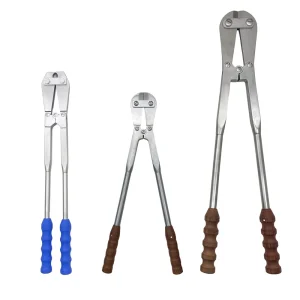
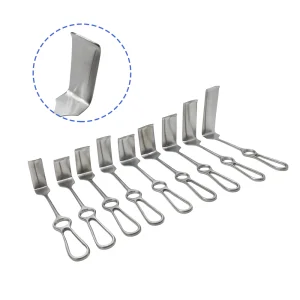
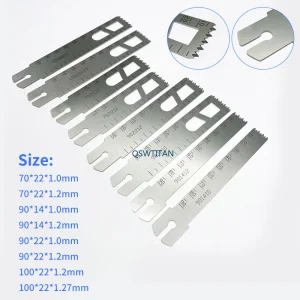
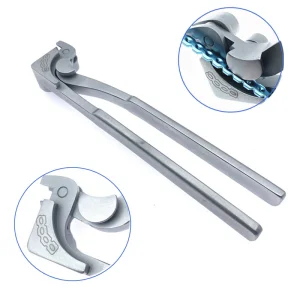
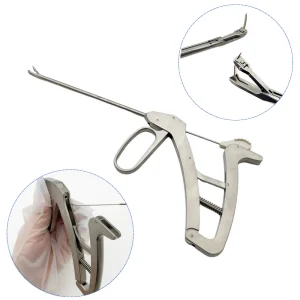
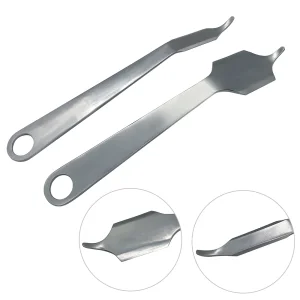
Heavy-duty blades designed to navigate through dense tissue and ligamentous structures. Often paired with Hohmann Retractors and Implant Cutters.
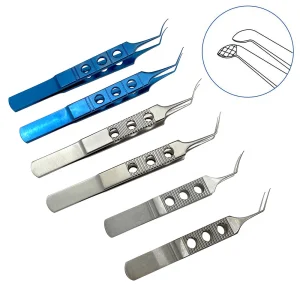
Micro-blades and Capsulorhexis Forceps compatibility for delicate corneal incisions, requiring ultra-thin profiles and zero vibration.
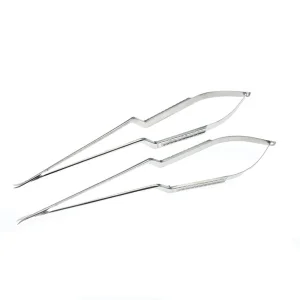
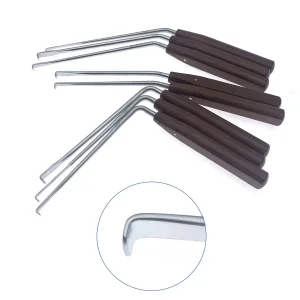
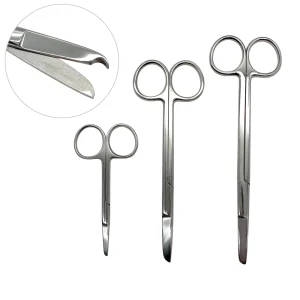
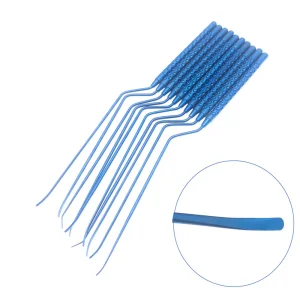
Specialized Neuro Micro Scissors and root hooks, where the blade edge must perform under high-magnification microscopy.
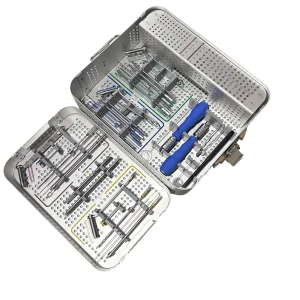
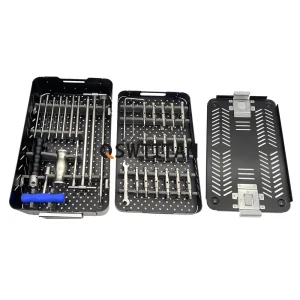
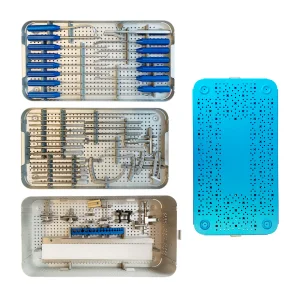
Adaptable instrument sets for diverse species, from small pets to equine surgeries, emphasizing durability and reusability where applicable.
Implementation of Teflon and Diamond-Like Carbon (DLC) coatings to reduce friction and minimize tissue drag, improving healing times.
Development of Zirconia-based blades for MRI-compatible environments and non-magnetic surgical theaters, offering unparalleled edge retention.
Integrating sensors within the ODM handle to provide real-time feedback on tissue resistance and blood vessel proximity during automated procedures.
For global distributors and medical institutions, we provide more than just products; we provide a resilient supply chain framework. Our OEM/ODM Scalpel Blades Factory model includes:
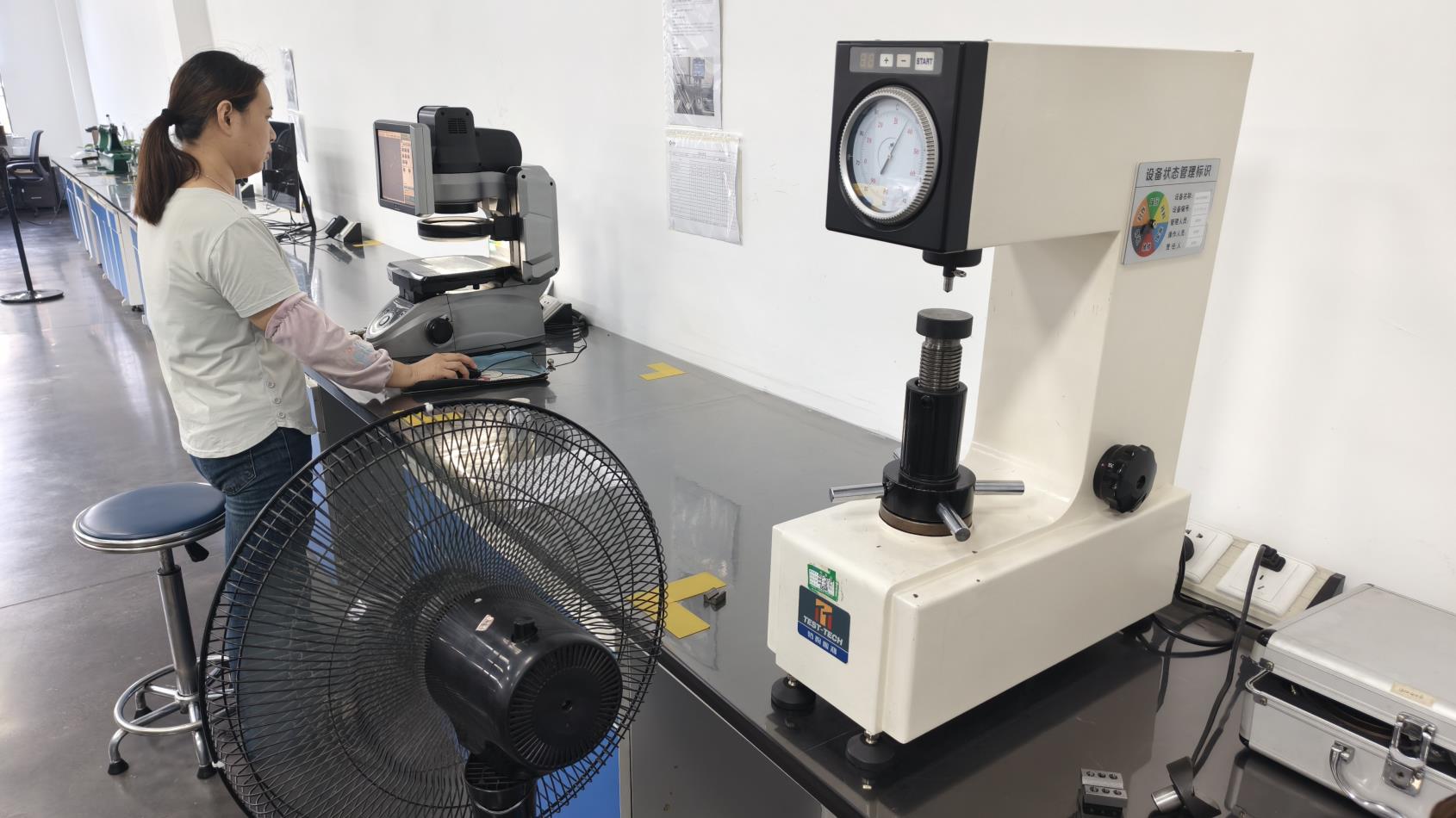
Carbon steel offers a sharper initial edge but is prone to rusting if not stored perfectly. Stainless steel (AISI 440 series) provides excellent corrosion resistance and is preferred for hospital environments where sterilization and long-term storage are key.
We provide deep data sheets, metallurgical analysis, and procedural compatibility guides. Our OEM process involves detailed feedback loops where we optimize blade geometry based on real-world surgeon feedback from the North American and Southeast Asian markets.
Yes, our R&D department specializes in "Sample Processing" and "Graphic Processing," allowing us to prototype niche surgical instruments for specialized orthopedic or neurosurgical applications before moving to mass production.
All products undergo random or client-specified inspections. We maintain 100% traceability of raw materials to ensure that every instrument can be linked back to its specific batch of surgical steel.
 Carna Medicial Technology