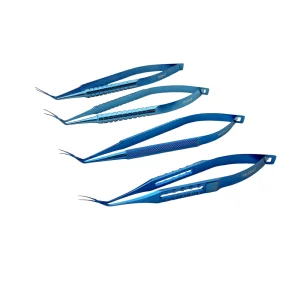
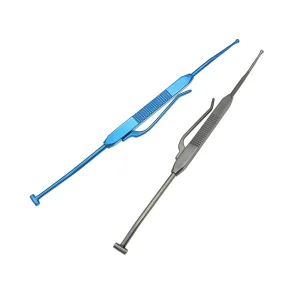
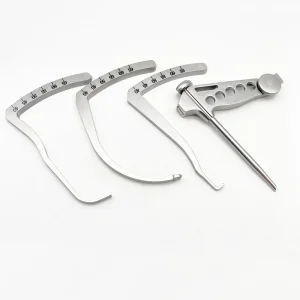
Tissue forceps are more than just grasping tools; they are the fundamental extension of a surgeon's hands. As we move further into the 21st century, the demand for precision, biocompatibility, and ergonomic design has transformed the manufacturing landscape. From the delicate maneuvers of Ophthalmic surgery to the high-torque environments of Orthopedic traumatology, the selection of materials like Titanium Grade 5 and Medical-grade Stainless Steel has become the industry benchmark.
Focusing on minimizing tissue trauma through micro-serrations and precisely calibrated tension, essential for delicate ophthalmic procedures.
Utilization of Titanium alloys for superior strength-to-weight ratios and non-magnetic properties required in MRI-safe environments.
The roadmap for next-gen ODM involves designing forceps tips compatible with robotic surgical arms for enhanced dexterity.
Established on 2019-11-20, our factory has rapidly climbed the ranks of the medical instrument supply chain. With 6 years of focused industry experience, we specialize in OEM/ODM solutions for global brands. Our primary markets include North America (25%), South America (25%), and Southeast Asia (15%), serving wholesalers, retailers, and private medical practices with uncompromising quality.
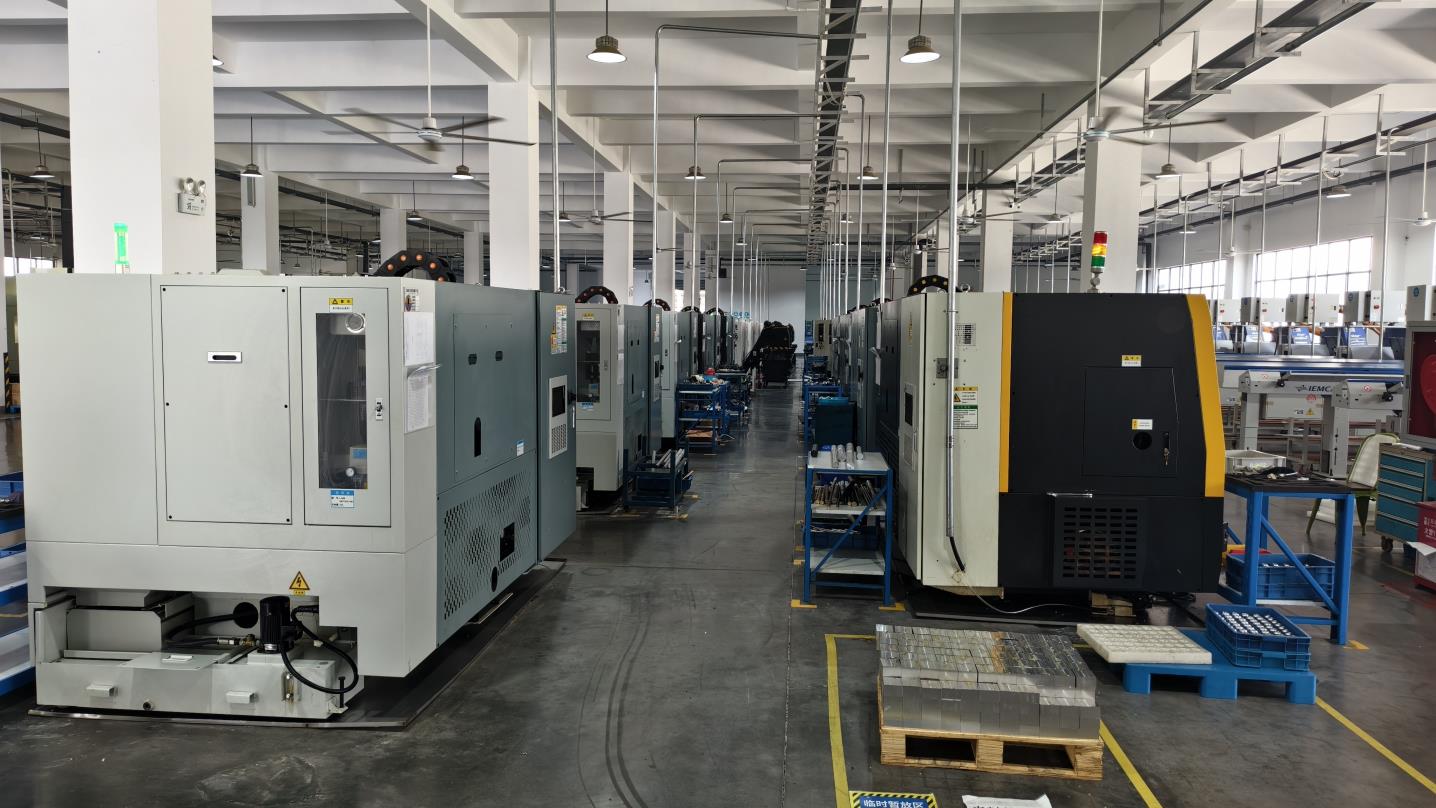
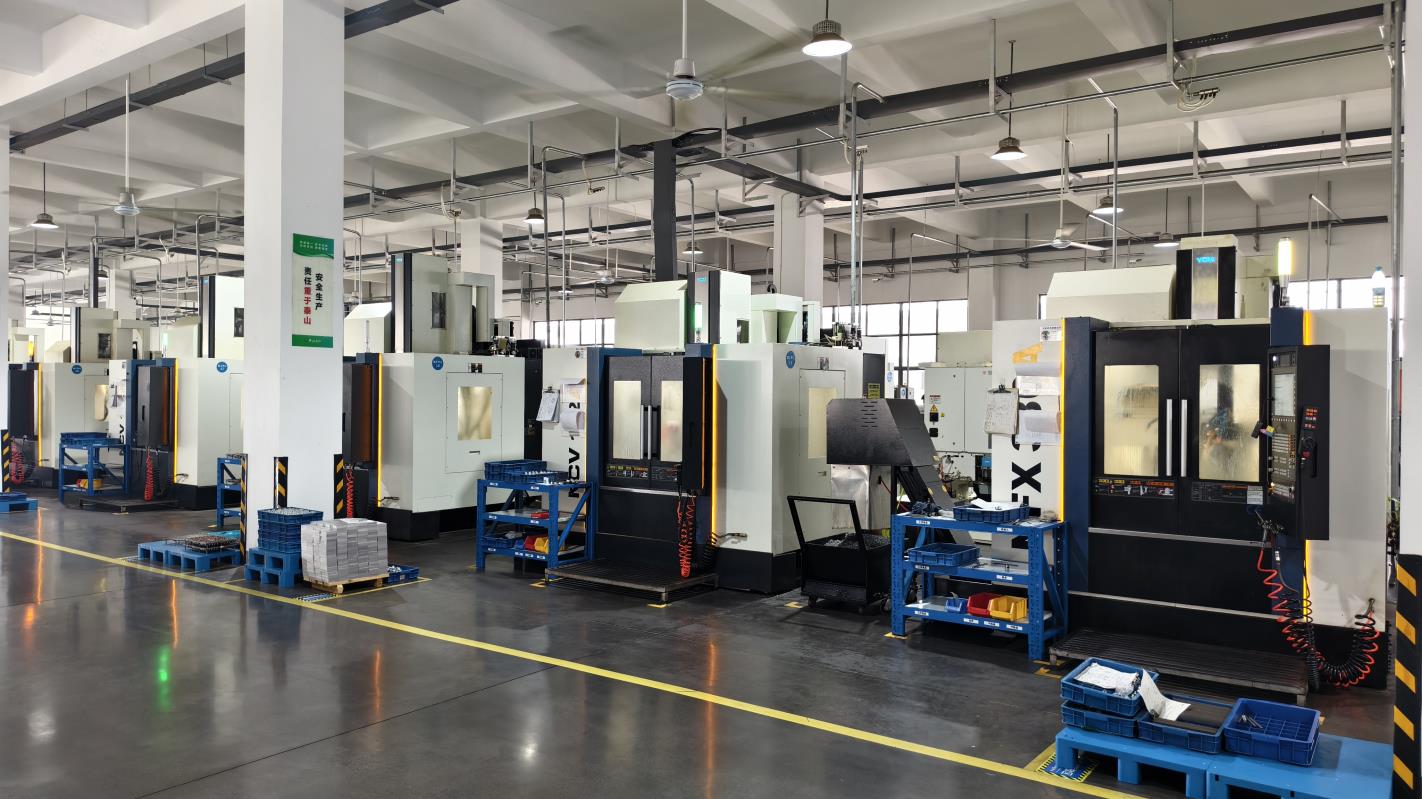
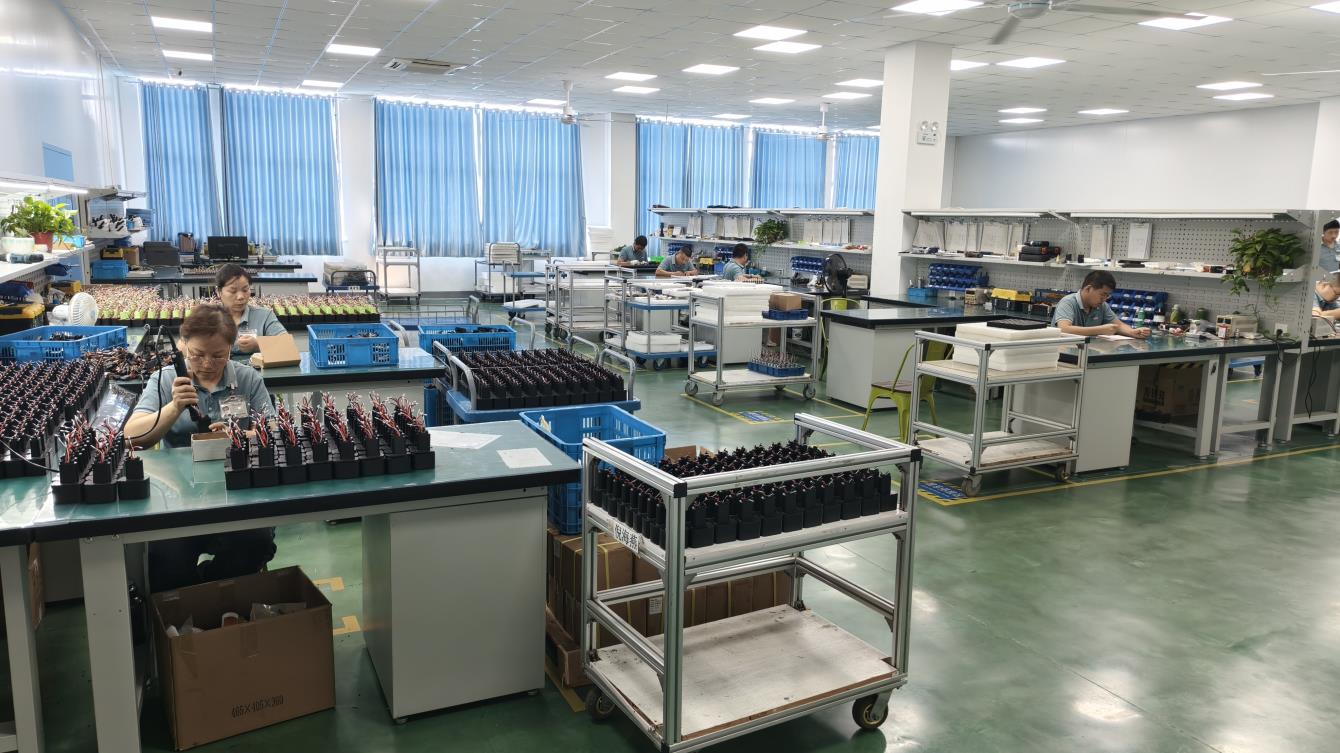
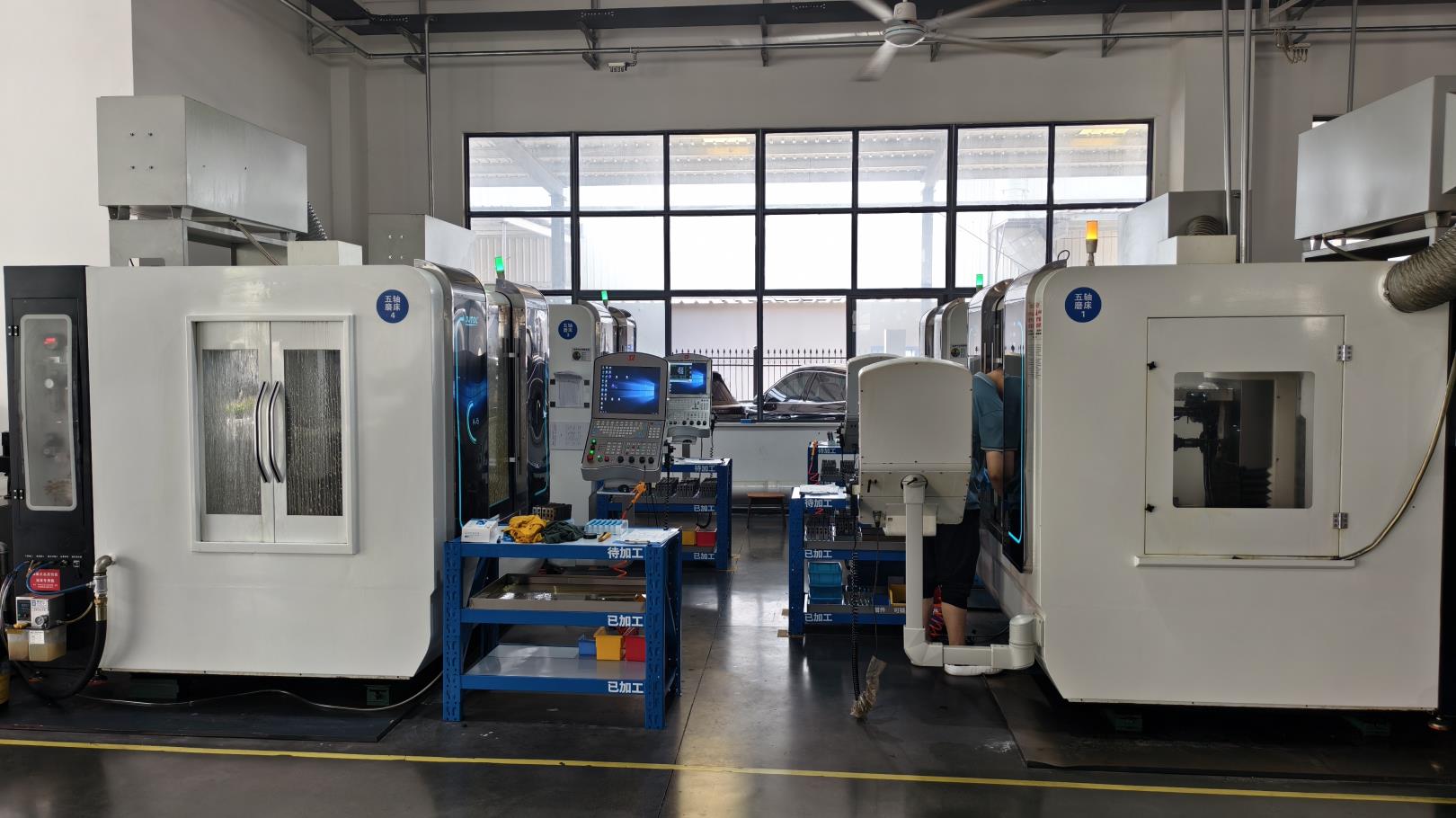
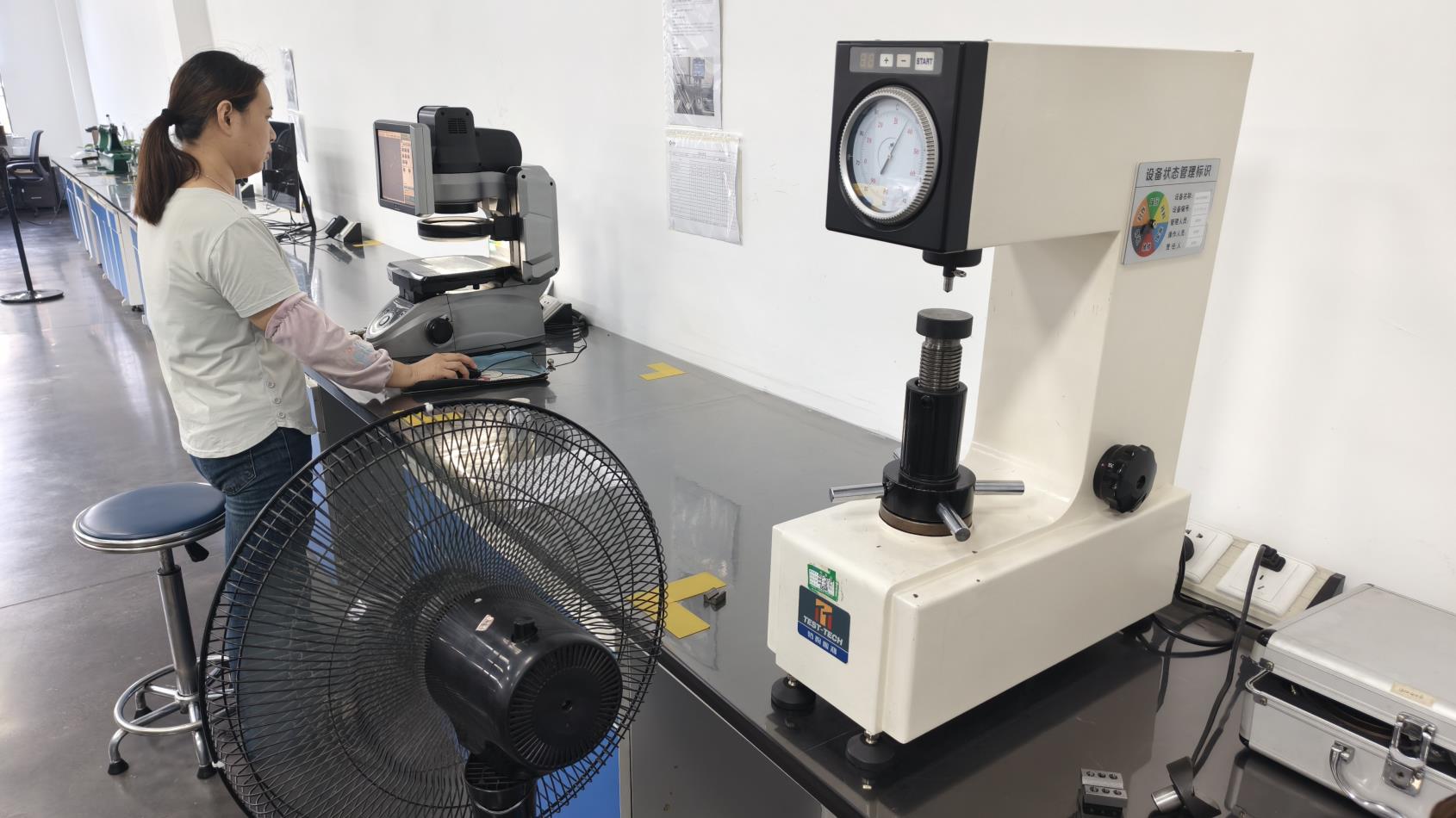
We provide comprehensive documentation and compliance support for regional regulators (FDA, CE, SFDA), ensuring that our Tissue Forceps meet localized hospital procurement standards in the Americas and Asia.
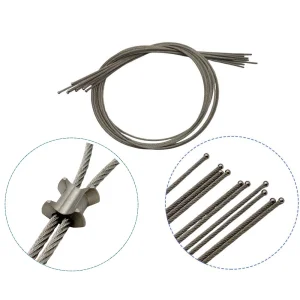
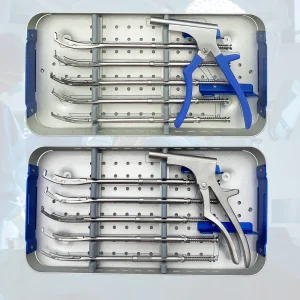
By maintaining a 100% traceability protocol for raw materials, we mitigate the risks of material impurity, which is critical for autoclaveable instruments like our Titanium Cable Fixation sets.
Our ODM roadmap includes "Graphic Processing," where we take a surgeon's napkin sketch and turn it into a high-precision stainless steel prototype within weeks.
Implementing DLC (Diamond-Like Carbon) coatings on forceps tips to increase hardness and reduce friction during deep-tissue manipulation.
Integrating pressure sensors into the handle designs to provide real-time haptic feedback to surgeons, preventing excessive force on delicate ocular tissues.
Developing fully recyclable titanium instrument sets and reducing the carbon footprint of the sterilization process through heat-optimized alloys.
 Carna Medicial Technology