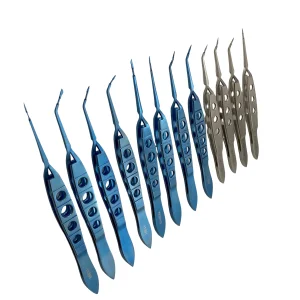
High-fidelity instruments designed for intricate tissue manipulation, ophthalmology, and micro-dissection.

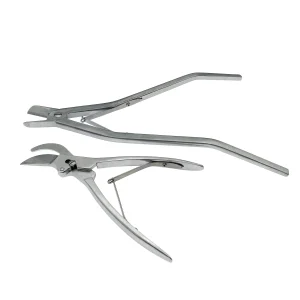
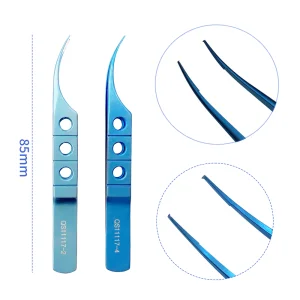
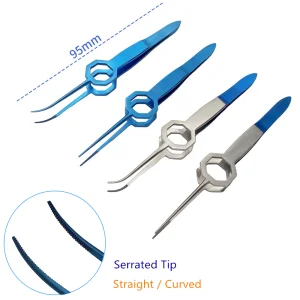
Insights into market drivers, materials science, and supply chain centralization.
Neurosurgery requires the highest level of precision of any surgical specialty. Operating on the central nervous system, brain tissues, and delicate spinal cords leaves zero margin for instrument failure. The global neurosurgical instruments market has seen massive evolution driven by a rising aging population, a higher incidence of neurological diseases, and rapid progress in minimally invasive surgeries (MIS). Consequently, the global supply chain has segmented into clusters of specialized manufacturing regions.
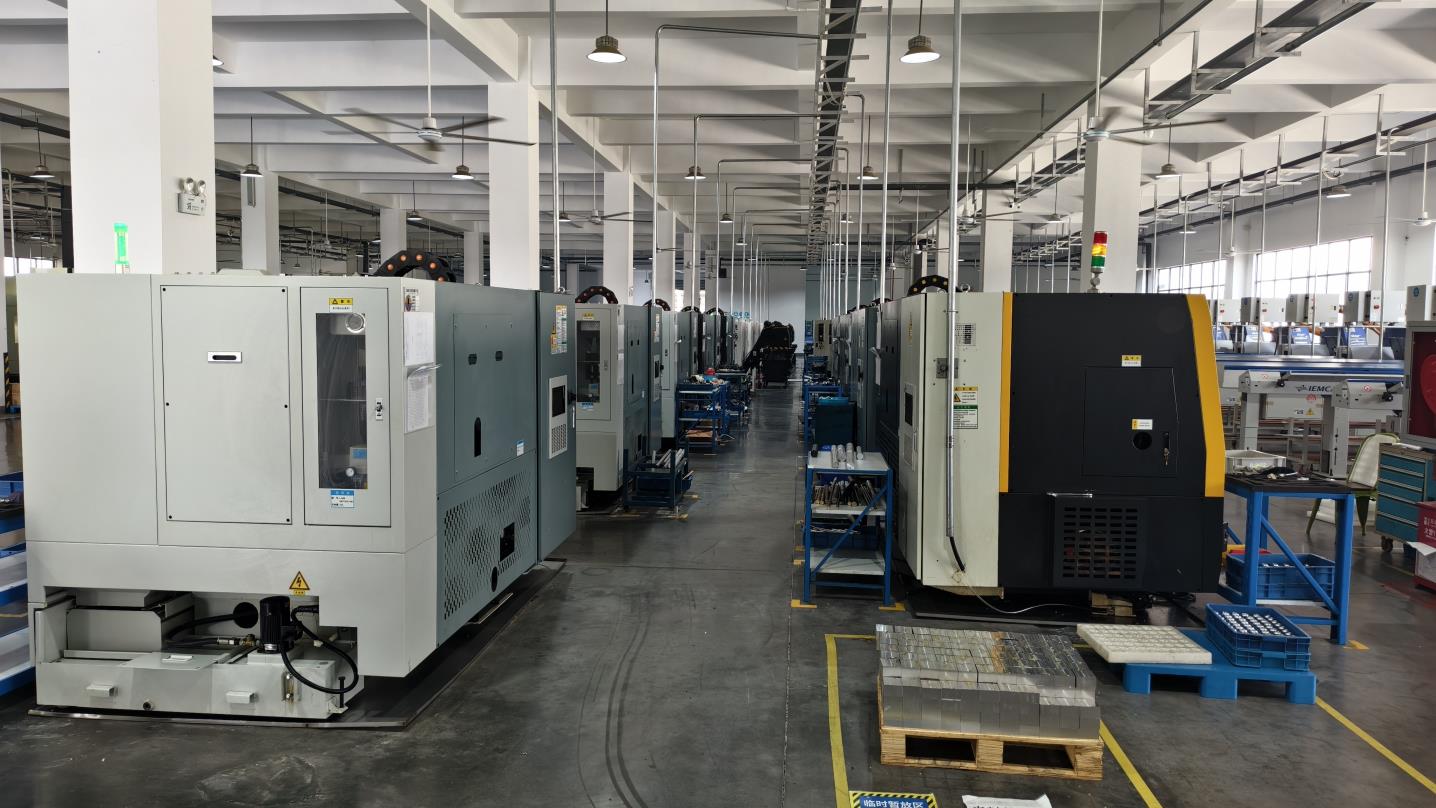
While historically centered in Tuttlingen (Germany) and select hubs in the USA, the global market has increasingly shifted to high-tech Chinese factories. Advanced manufacturing hubs in Jiangsu, Zhejiang, and Guangdong have successfully integrated state-of-the-art CNC machinery, laser welding, and automated passivation baths. By offering medical-grade raw materials (such as TC4 Titanium and SUS 420J2/304 Stainless Steel) with fully verified traceability, Chinese manufacturers deliver surgical-grade components at a fraction of Western costs, ensuring that medical wholesalers and distributors can sustain healthy profit margins without compromising patient safety.
The key industrial advantages that balance high quality with economic efficiency.
Top factories control quality starting at the raw material stage. Every batch of Titanium or Stainless Steel comes with material test certificates (MTRs) tracing back to its chemical composition, ensuring long-term rust resistance and autoclave durability.
Chinese factories are highly responsive to custom orders. Sourcing managers can provide engineering drawings or physical samples, and the factories utilize precise CNC machining and multi-axis milling to match complex clinical parameters.
Reliable suppliers implement standard random inspections alongside custom inspect-to-client-order checklists, verified by dedicated in-house QA/QC inspectors (often 3 or more) checking mechanical strength, micro-finish, and alignment precision.
By leveraging clusters of precision manufacturing, domestic steel suppliers, and specialized coating facilities, Chinese manufacturers have consolidated the supply chain. This results in significant logistics savings, reduced turnaround times, and lower labor-overhead costs. This is not about cheap labor—it is about high-efficiency machinery working within an ecosystem designed exclusively for medical-grade production. This efficiency makes Chinese factories a preferred partner for global brand owners, wholesalers, and retail distributors across North America, South America, and Southeast Asia.
A look inside our integrated manufacturing ecosystem, specialized processing, and quality systems.
Established in 2019, our factory has served international clients for 6 years. We specialize in producing surgical-grade instruments for neurosurgery, orthopedics, ophthalmology, and veterinary surgery. We implement a rigorous quality inspection protocol on every production run, including raw material chemical verification, dimensional accuracy verification under high-magnification microscopes, and rust-resistance passivation testing.
Our flexible manufacturing lines accommodate high-volume wholesale shipments as well as specialized, low-volume custom OEM runs. Partnering with medical logistics firms, we guarantee smooth transit and complete customs documentation compliance for shipments to North America (25%), South America (25%), Southeast Asia (15%), and beyond.
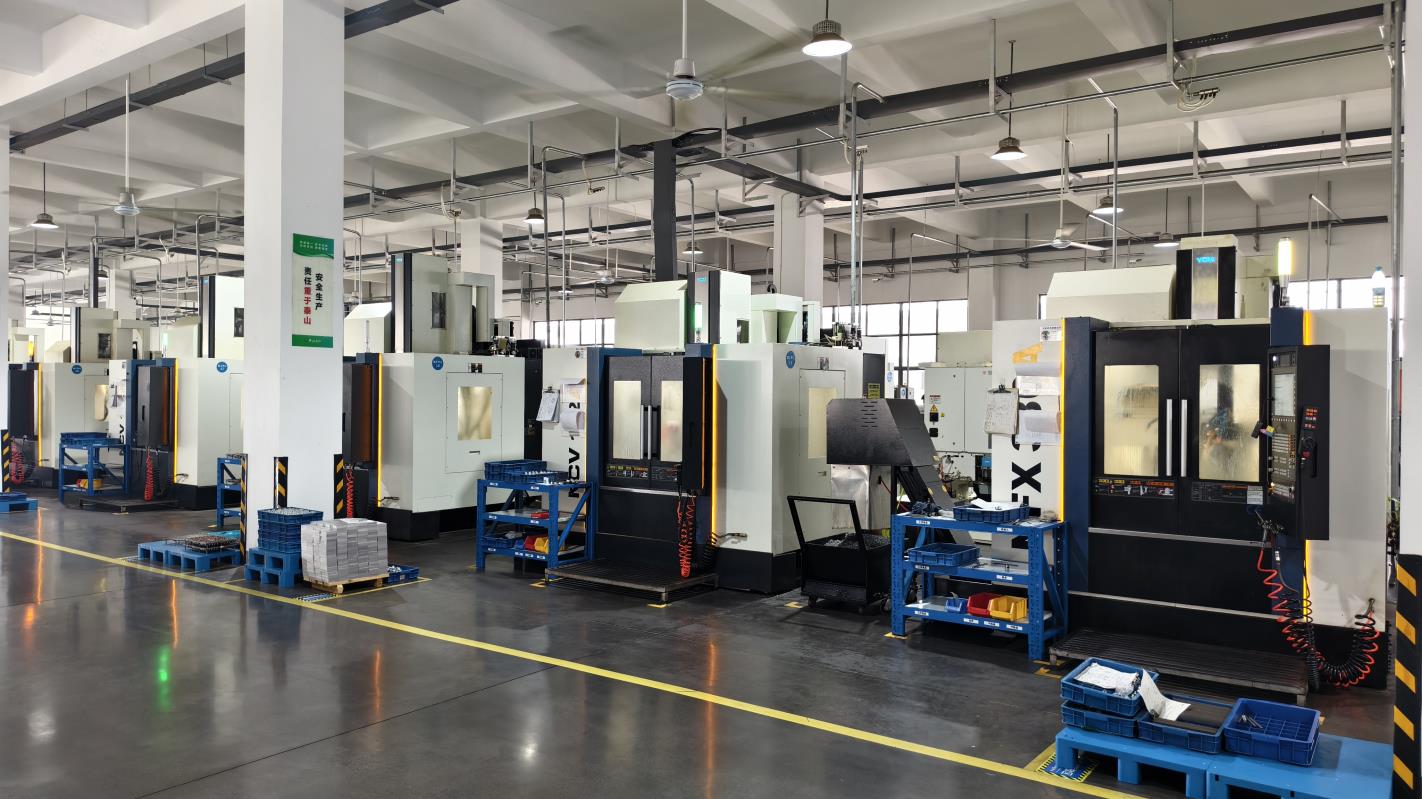
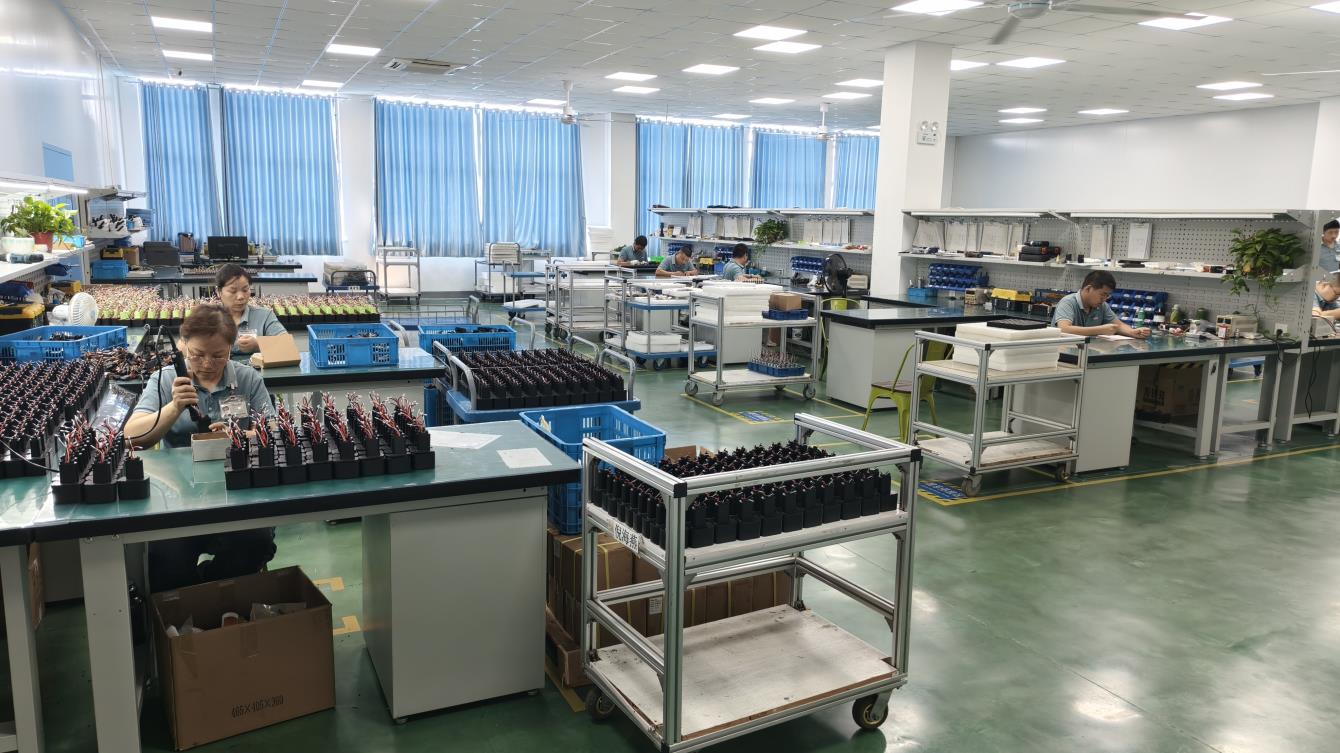
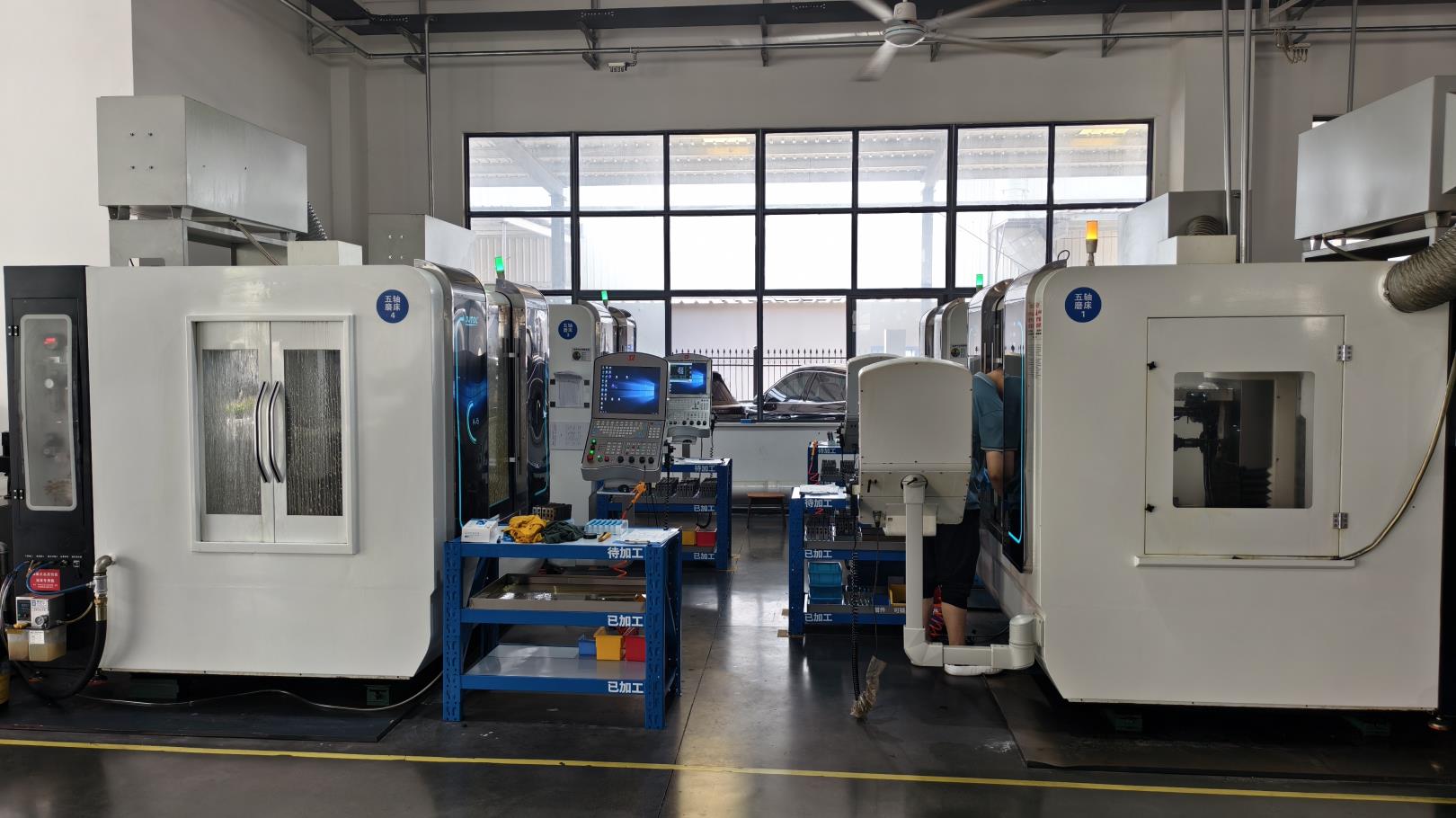
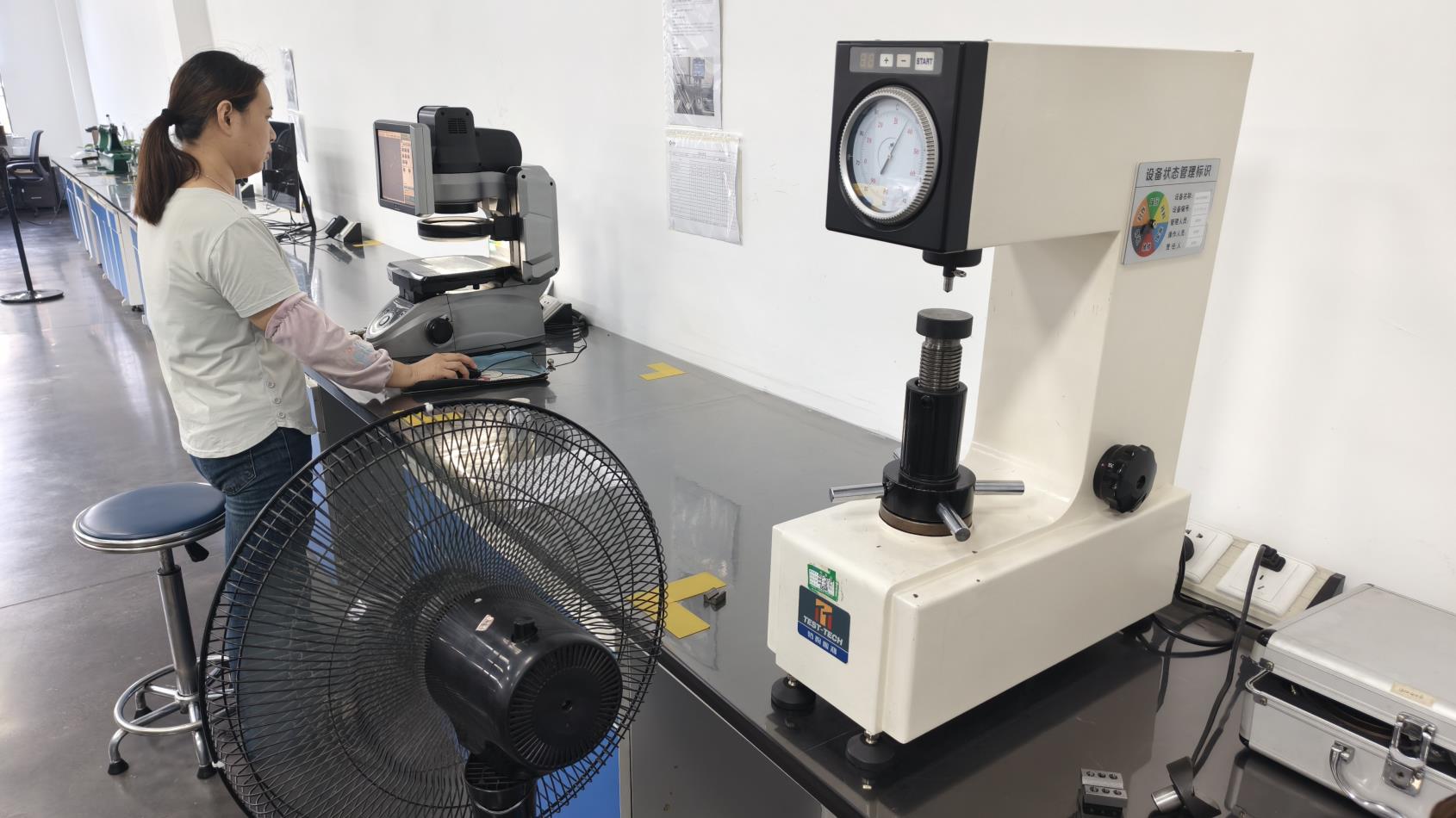
Critical indicators to evaluate before initiating a high-value supply partnership.
Neurosurgical forceps, retractors, and micro-scissors require lightweight, strong, and highly non-magnetic properties. TC4 Titanium Alloy is the gold standard for non-magnetic applications like MRI-compatible environments. It is approximately 45% lighter than stainless steel, reducing surgeon hand fatigue during 8-to-12-hour procedures. Conversely, Martensitic Stainless Steel (e.g., SUS 420) is preferred for cutting edges, scissors, and bone drills because it maintains sharpness over repeated autoclave cycles.
Surgical instruments are exposed to saline, blood, and harsh sterilization chemicals. Without proper chemical passivation, chromium-depleted surface layers will pit and rust. Top-tier factories utilize nitric or citric acid baths to form a thick, passive chromium oxide film layer on the instrument's surface, verified by boiling-water testing and copper sulfate drop testing.
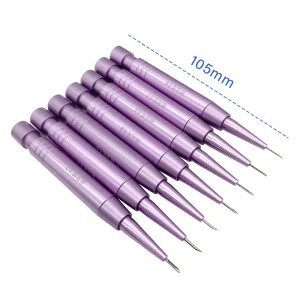
Micro-instruments like ophthalmic prechoppers or neurosurgical forceps require anti-glare satin or matte finishes. Highly polished instruments can reflect bright surgical microscopes or overhead LED lighting, causing eye strain. Textured or knurled round handles provide a secure grip, preventing slipping during delicate manipulation of micro-structures.
Expert technical answers to common queries from procurement departments and clinical supply channels.
High-durability retractors, bone fixation plates, screwdrivers, and specialized orthopedic systems.
 Carna Medicial Technology