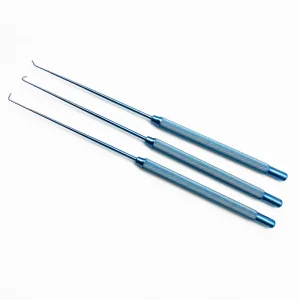
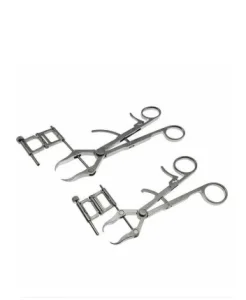
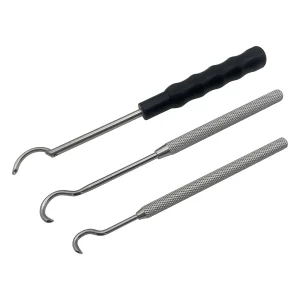
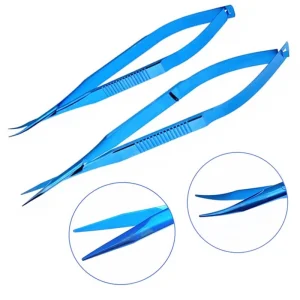
Explore our core manufacturing categories engineered for high-precision surgical interventions, vascular management, and orthopedics.
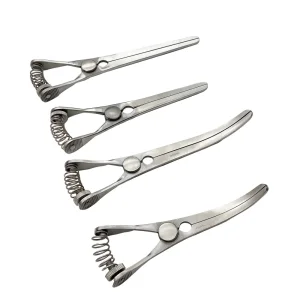
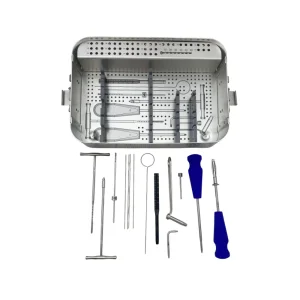
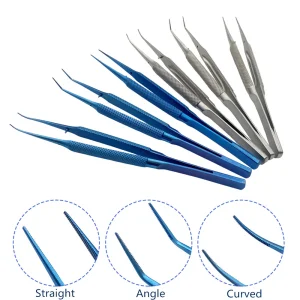
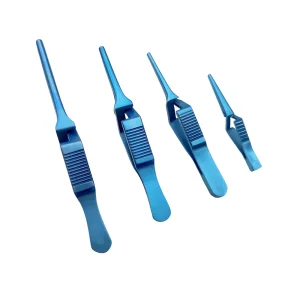
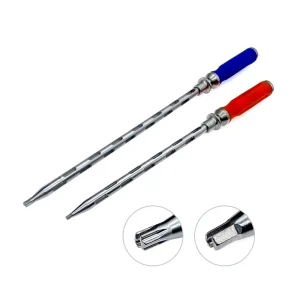
Built upon stringent regulatory compliance, rigorous material traceability, and advanced R&D capabilities.
Navigating Next-Generation Medical Procurement, Supply Chain Resilience, and High-Performance Biomaterials
The global healthcare landscape is undergoing an unprecedented paradigm shift towards minimally invasive procedures (MIP), robotic-assisted surgeries, and advanced bio-absorbable polymers. As hospitals and surgical centers worldwide demand higher precision, manufacturers of suture materials and complementary surgical instruments face rigorous performance benchmarks. The integration of high-grade titanium alloys, ultra-fine stainless steels, and smart polymer structures has redefined wound closure efficiency and patient healing outcomes.
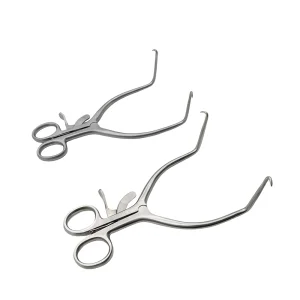
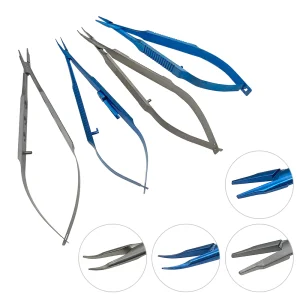
Furthermore, global procurement managers are increasingly emphasizing biocompatibility, tensile strength retention, and knot security. The modern medical supply chain requires seamless synergy between the suture thread, needle geometry, and auxiliary holding tools such as needle holders, micro-vascular clamps, and retractors to ensure optimal clinical efficacy across diverse surgical specialties ranging from cardiovascular and neurosurgery to veterinary and plastic surgery.
International medical device brands, regional distributors, and large-scale wholesalers face mounting pressures to optimize inventory turn-over while upholding uncompromising quality standards. Key purchasing criteria in the current market environment include:
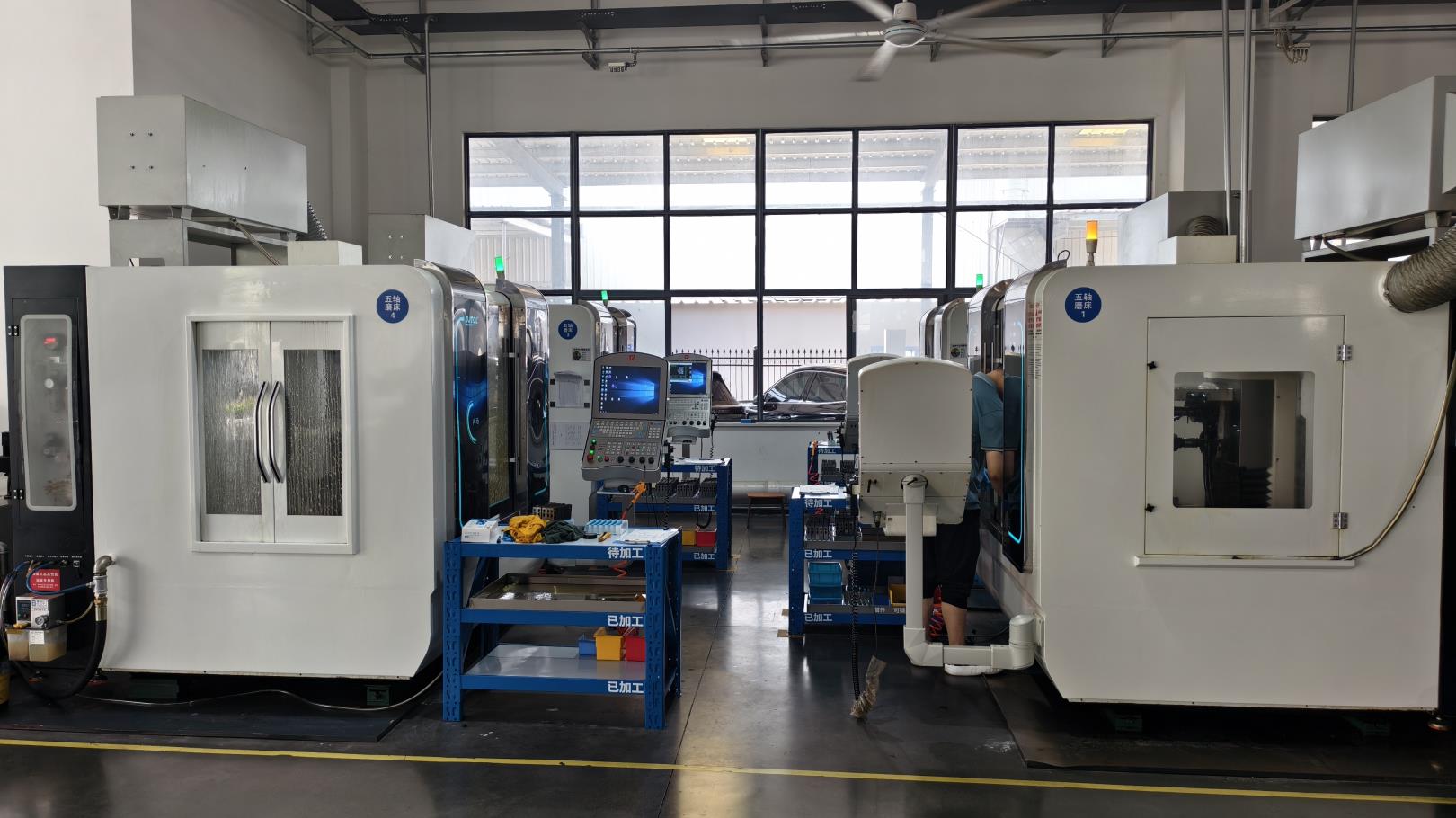
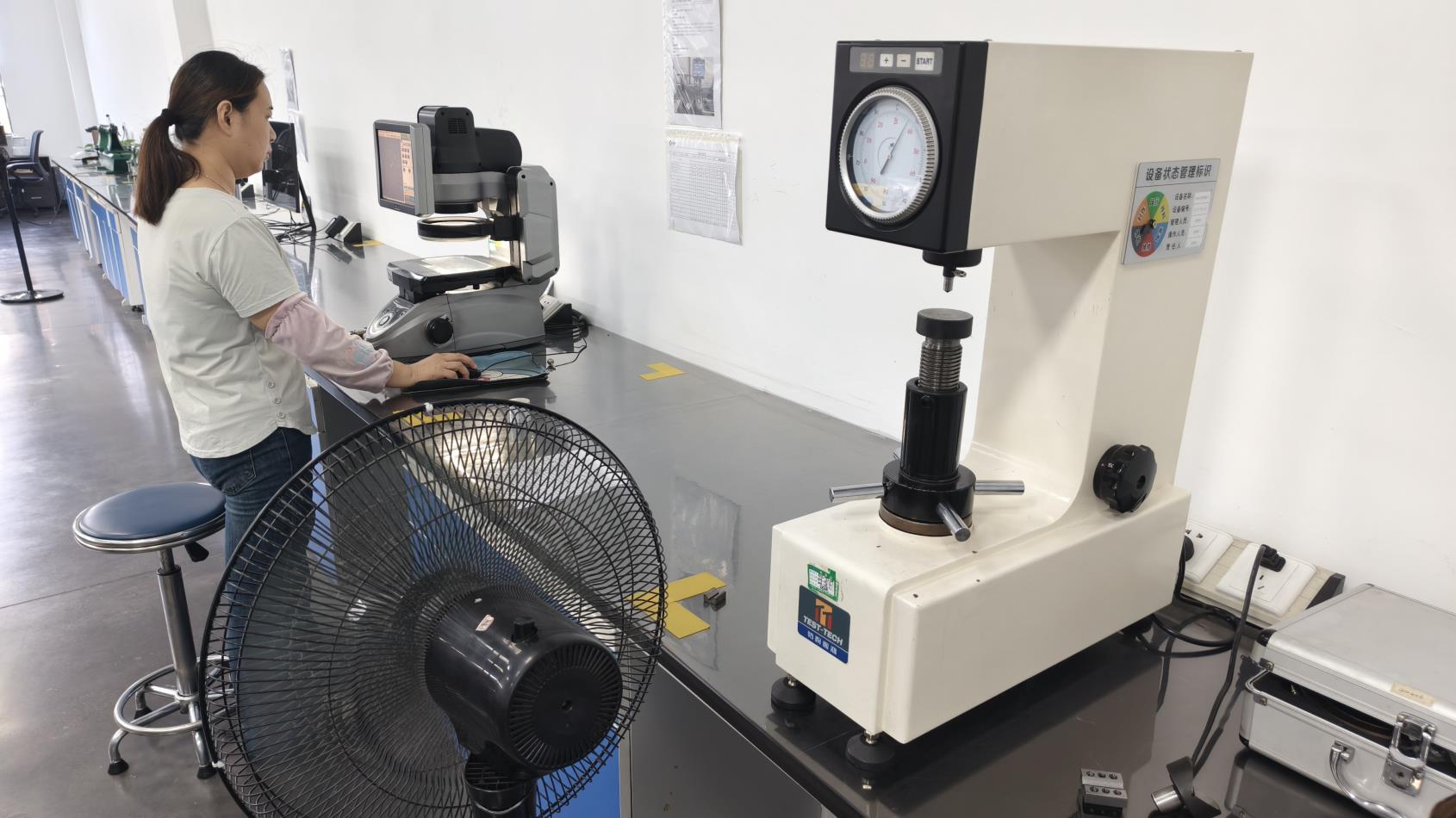
China's medical manufacturing sector has transitioned from volume-driven production to high-tech, automated "Smart Factory 4.0" ecosystems. By integrating CNC precision machining, laser welding, automated passivity lines, and strict digital quality control loops, top-tier Chinese manufacturing facilities deliver world-class consistency.
This industrial evolution guarantees robust supply chain resilience. Even amidst global economic fluctuations, localized vertical integration—spanning raw material sourcing, tooling fabrication, surface treatment, and cleanroom assembly—allows manufacturers to maintain stable pricing, predictable lead times, and uncompromised structural integrity for surgical instruments and suture support systems.
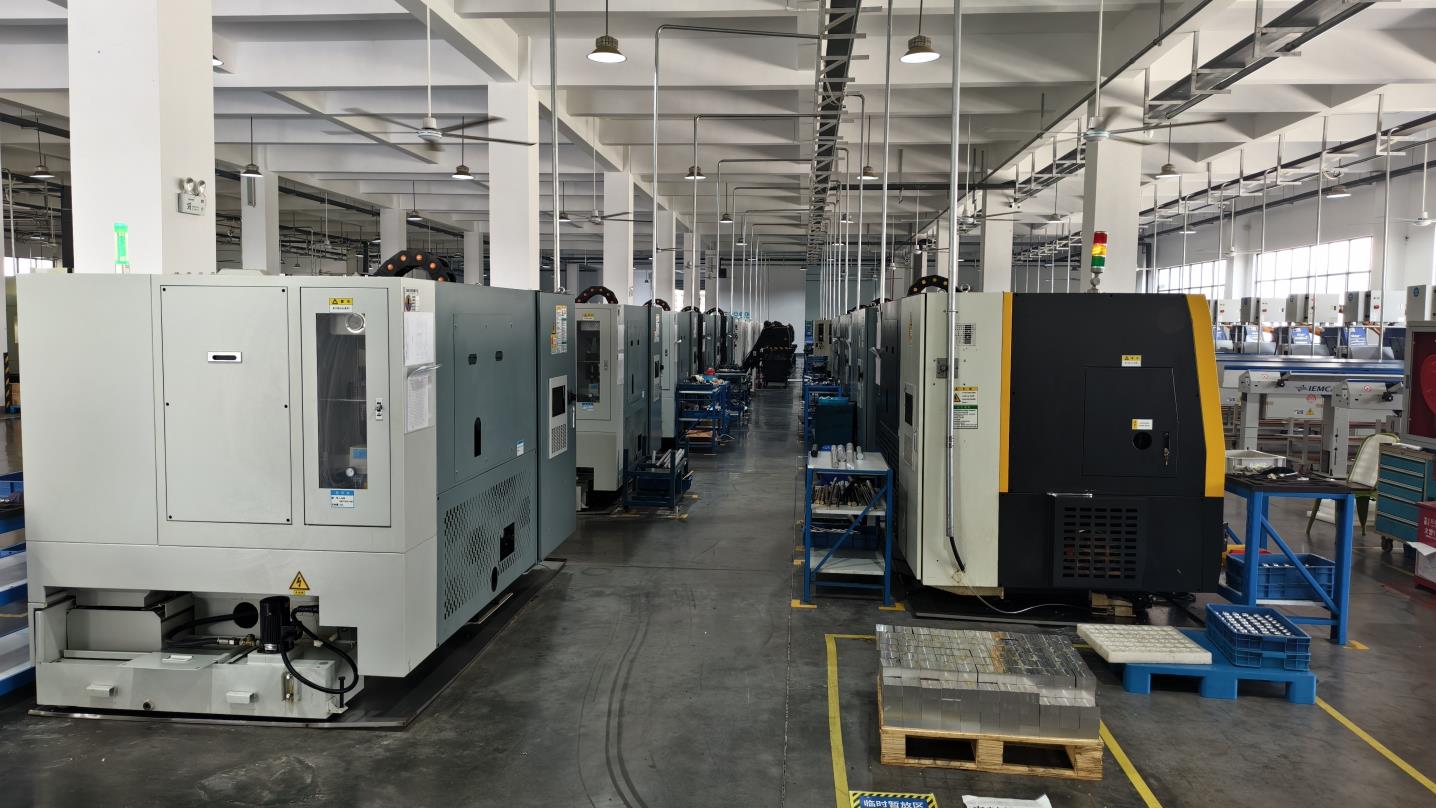
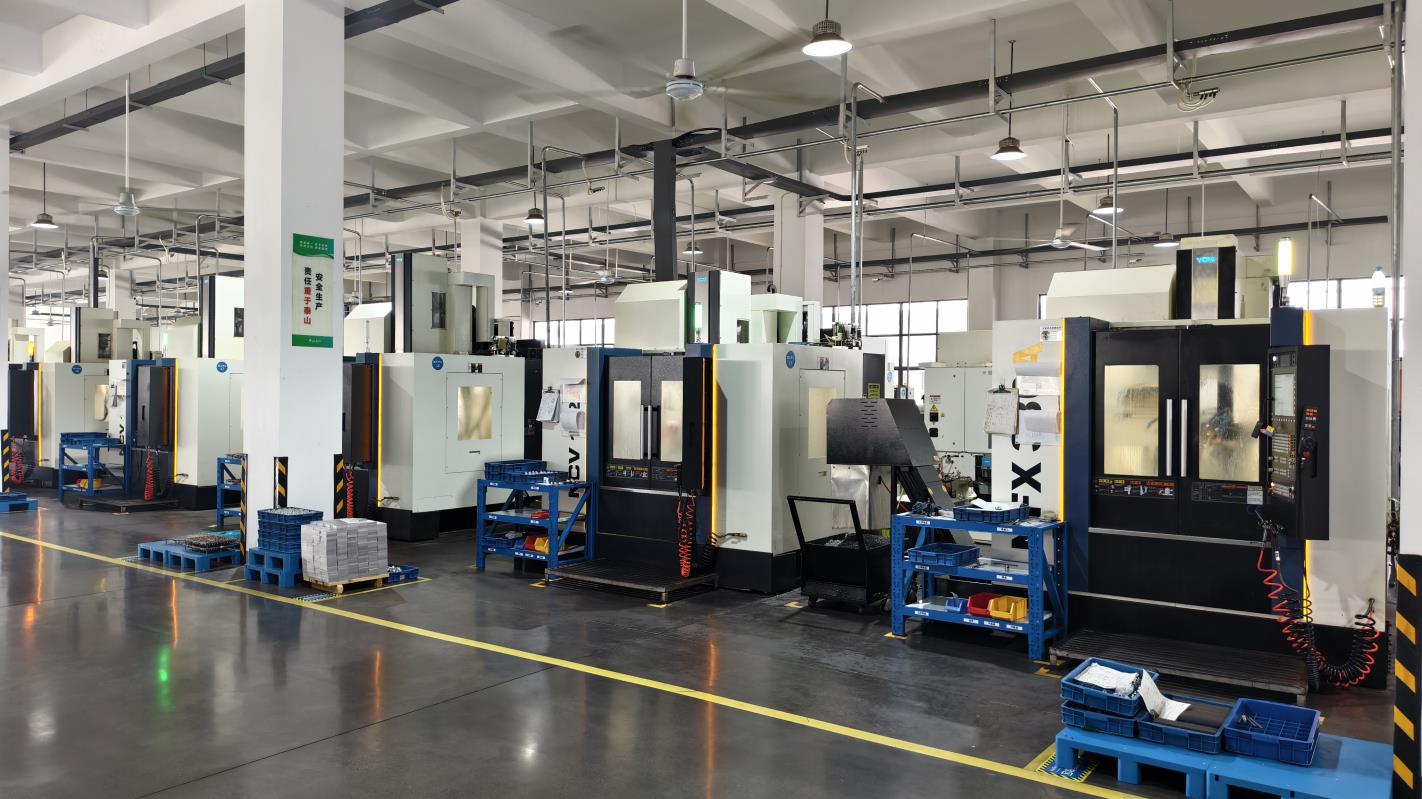
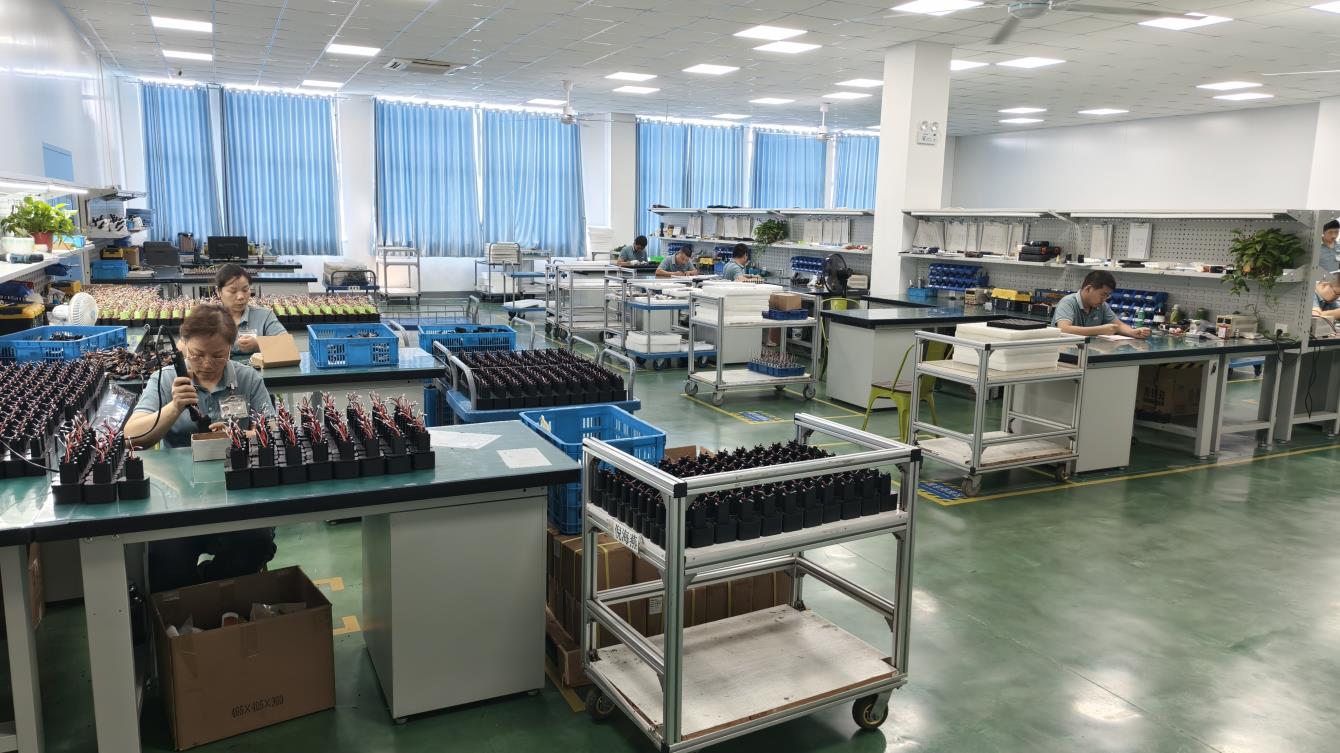
Suture materials and microsurgical instruments function within highly specialized micro-environments. Understanding precise clinical application scenarios ensures that manufactured products meet the demanding tactile and mechanical expectations of surgeons:
Continuing our comprehensive portfolio of specialized surgical tools designed for professional medical and veterinary environments.
Expert answers regarding our manufacturing processes, OEM capabilities, and quality assurance protocols.
We maintain 100% raw material traceability. Every batch of medical-grade titanium and stainless steel is accompanied by certified mill test reports (MTR) verifying chemical composition, tensile strength, and metallurgical purity before production begins.
Yes. We specialize in custom OEM and ODM production. Our engineering team supports sample processing, graphic/blueprint processing, and on-demand prototyping to match your precise clinical or brand specifications.
Our internal QA/QC team executes strict random inspections and dimensional verifications based on AQL standards, as well as customized client inspection protocols, ensuring every instrument meets autoclaveable and surgical performance requirements.
With over 6 years of dedicated export experience, our primary markets include North America (25%), South America (25%), and Southeast Asia (15%), alongside established partnerships with global medical brands and wholesalers worldwide.
 Carna Medicial Technology