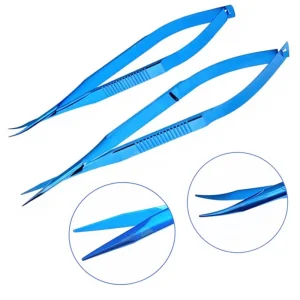
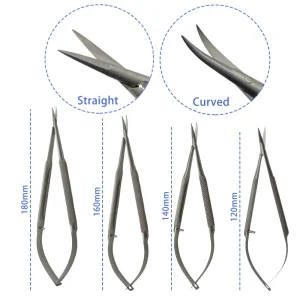
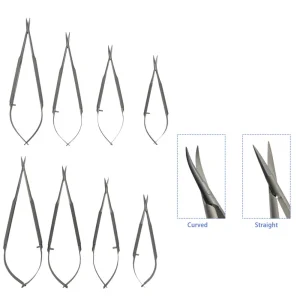
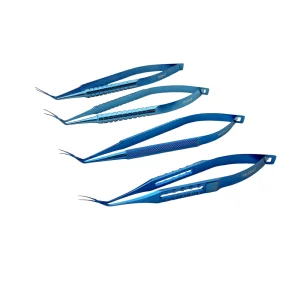
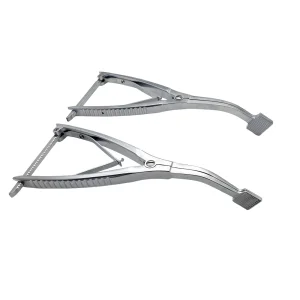
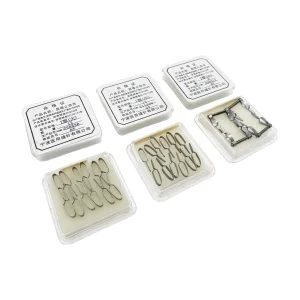
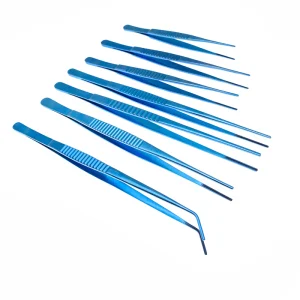
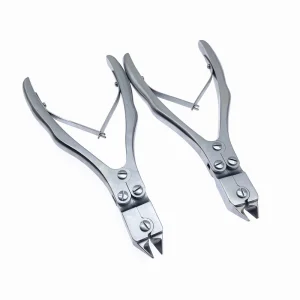
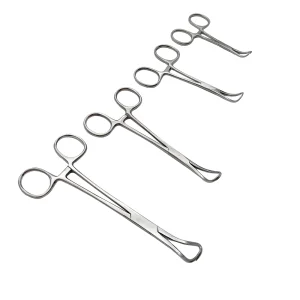
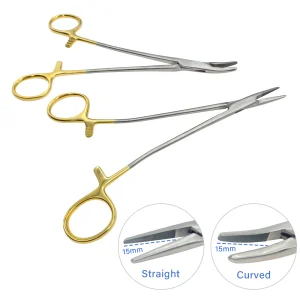
Engineered to exact tolerances. Our leading US-market ophthalmic products boast hand-polished tips, premium metallurgical composition, and sterilization longevity.
The ophthalmic instrument ecosystem in the United States is currently experiencing a profound paradigm shift driven by demographic changes and rapid technological development. An aging Baby Boomer generation has significantly increased the incidence of age-related macular degeneration (AMD), diabetic retinopathy, glaucoma, and cataracts. This demand is placing massive operational pressure on regional hospital procurement systems and Ambulatory Surgical Centers (ASCs).
At the same time, the transition of procedures from traditional, large-scale clinical hospital settings to specialized outpatient ASCs has transformed purchasing patterns. Procurement directors are no longer looking for standard instrument bundles. Instead, they demand highly customized, durable, and micro-engineered solutions that minimize post-operative infection risks while maximizing cost efficiency per procedure.

Embracing the digital era of medical manufacturing. Our research and development initiatives target critical design issues, offering next-generation performance in ophthalmic surgeries.
Utilizing high-grade biomedical materials like Titanium Alloys (Ti-6Al-4V ELI) and AISI 420 Martensitic Stainless Steel to prevent rust and maintain razor-sharp cutting profiles over hundreds of cycles.
Engineered with balanced weight distributions and non-glare surface treatments, minimizing hand fatigue and light reflection during micro-surgical operations under high-magnification ophthalmic microscopes.
We trace every batch of raw material back to its mill test report. This rigorous compliance meets FDA standards and ensures material stability under high-heat autoclaving cycles.
Providing high information-gain transparency for US procurement agents. Backed by solid export structures and standard-driven quality testing protocols.
| Operational Metric | Factory Capability Standard |
|---|---|
| Company Registration Date | 2019-11-20 (Reflected through 6 continuous years of active export growth) |
| Quality Control Inspection Method | Random inspection plus custom protocol deployment aligned with client requirements |
| Core Target Markets | North America (25%), South America (25%), Southeast Asia (15%) |
| Accepted Trading Languages | English (Providing seamless contract definition, tech sheets, and FDA clearance support) |
| Customization Scope | Sample-based processing, technical graphic layout optimization, bespoke on-demand micro-engineering |
| Main Client Profiles | Global Brand Businesses, Surgical Instrument Distributors, Retailing Chains, and Private Medical Clinics |
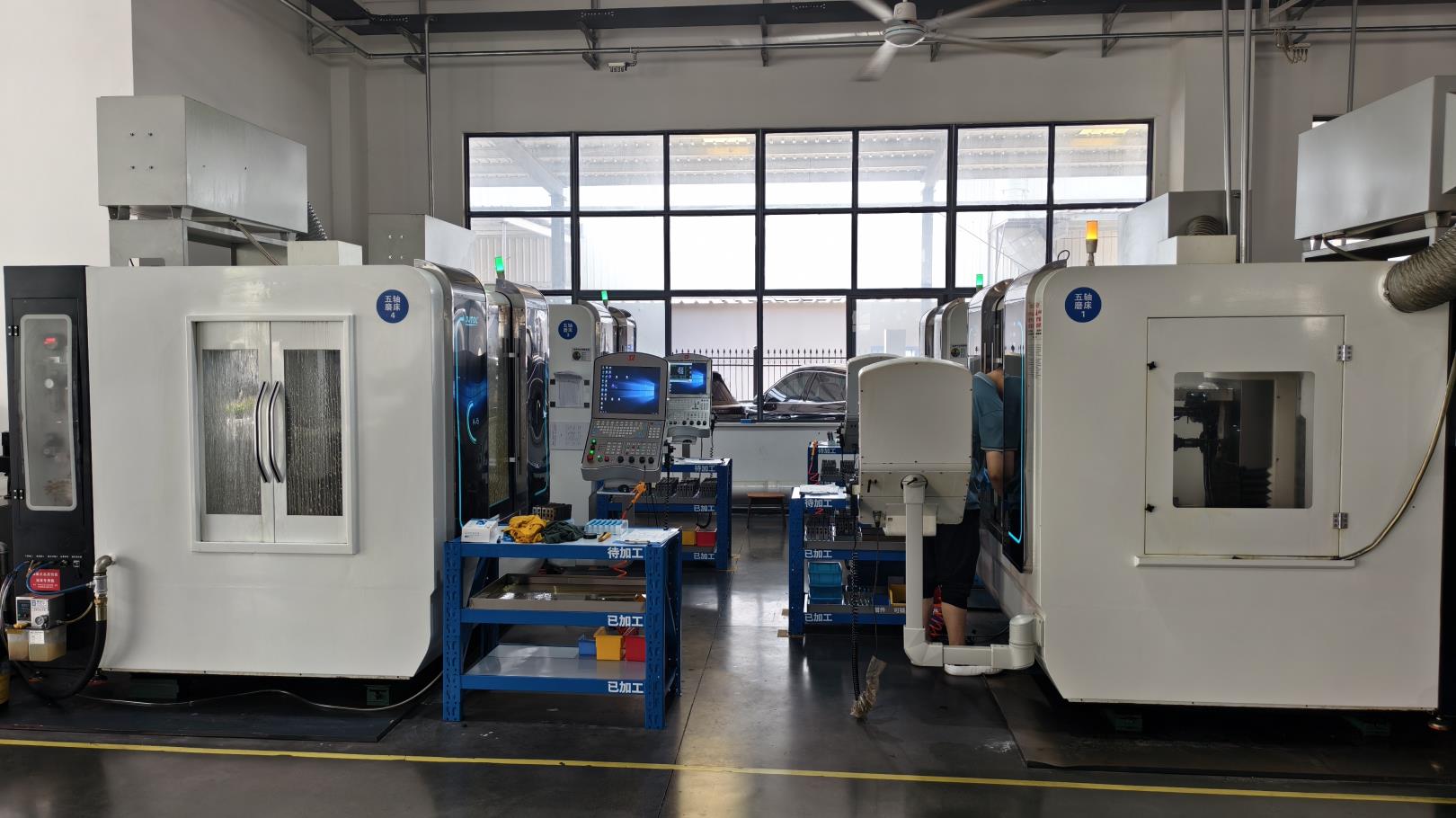
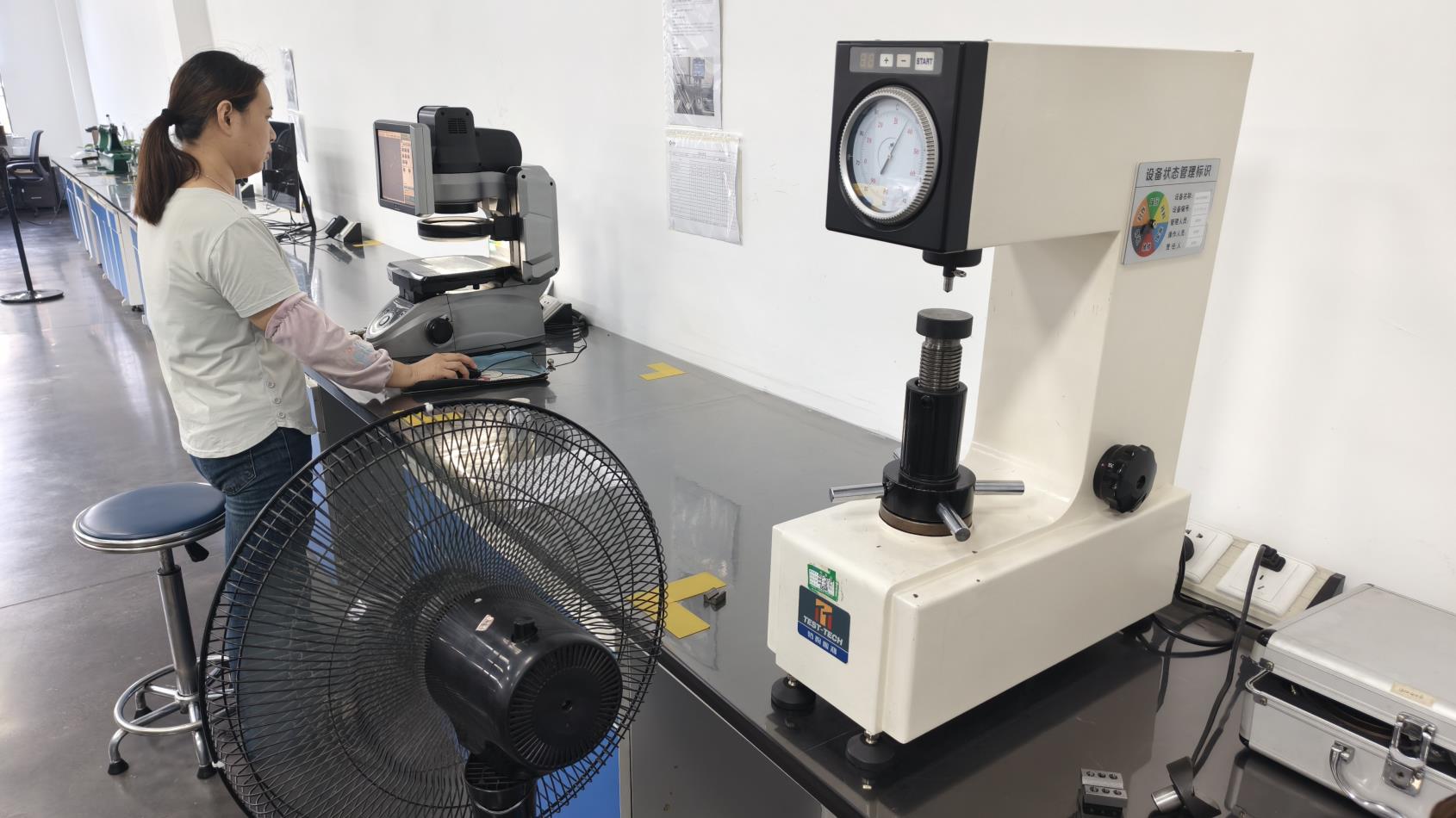
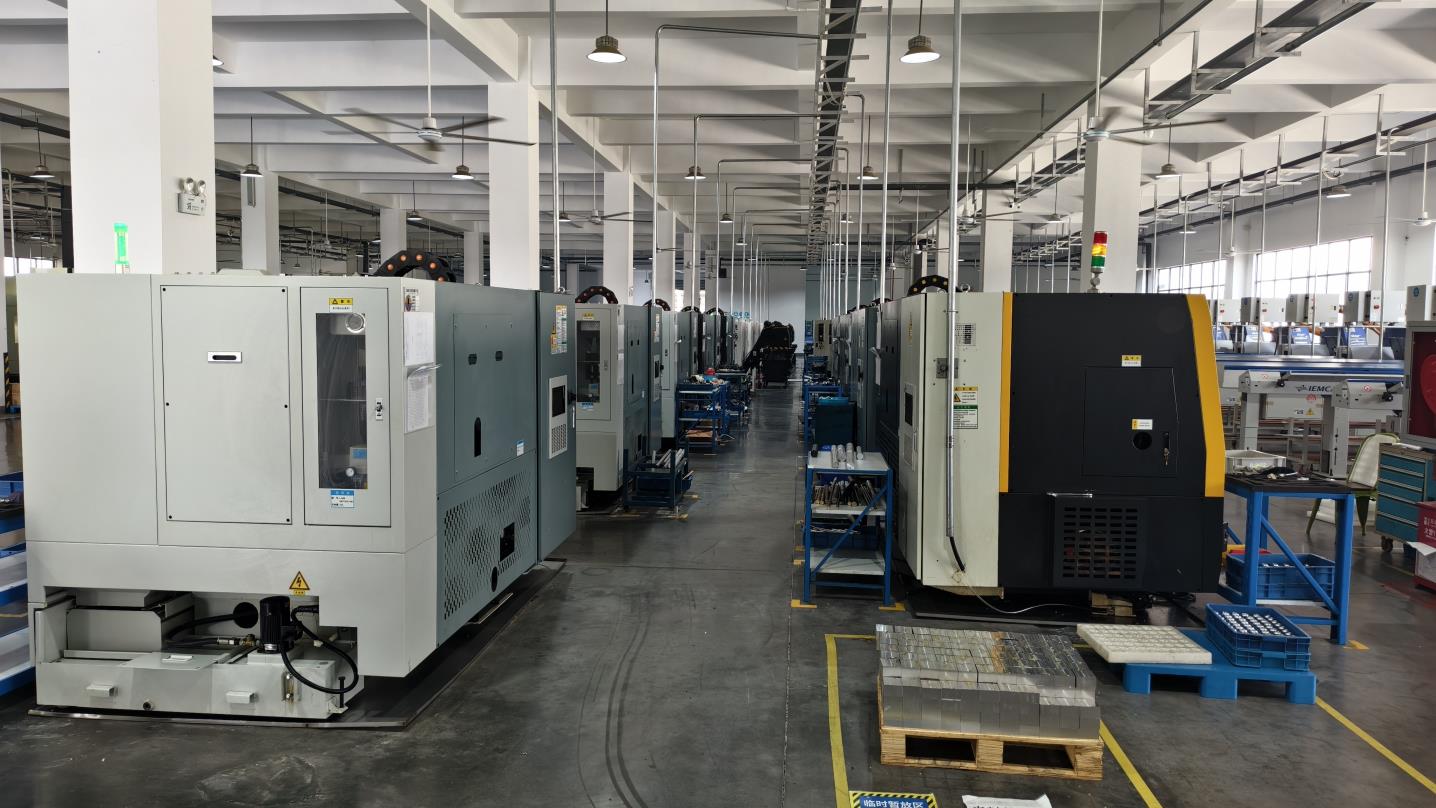
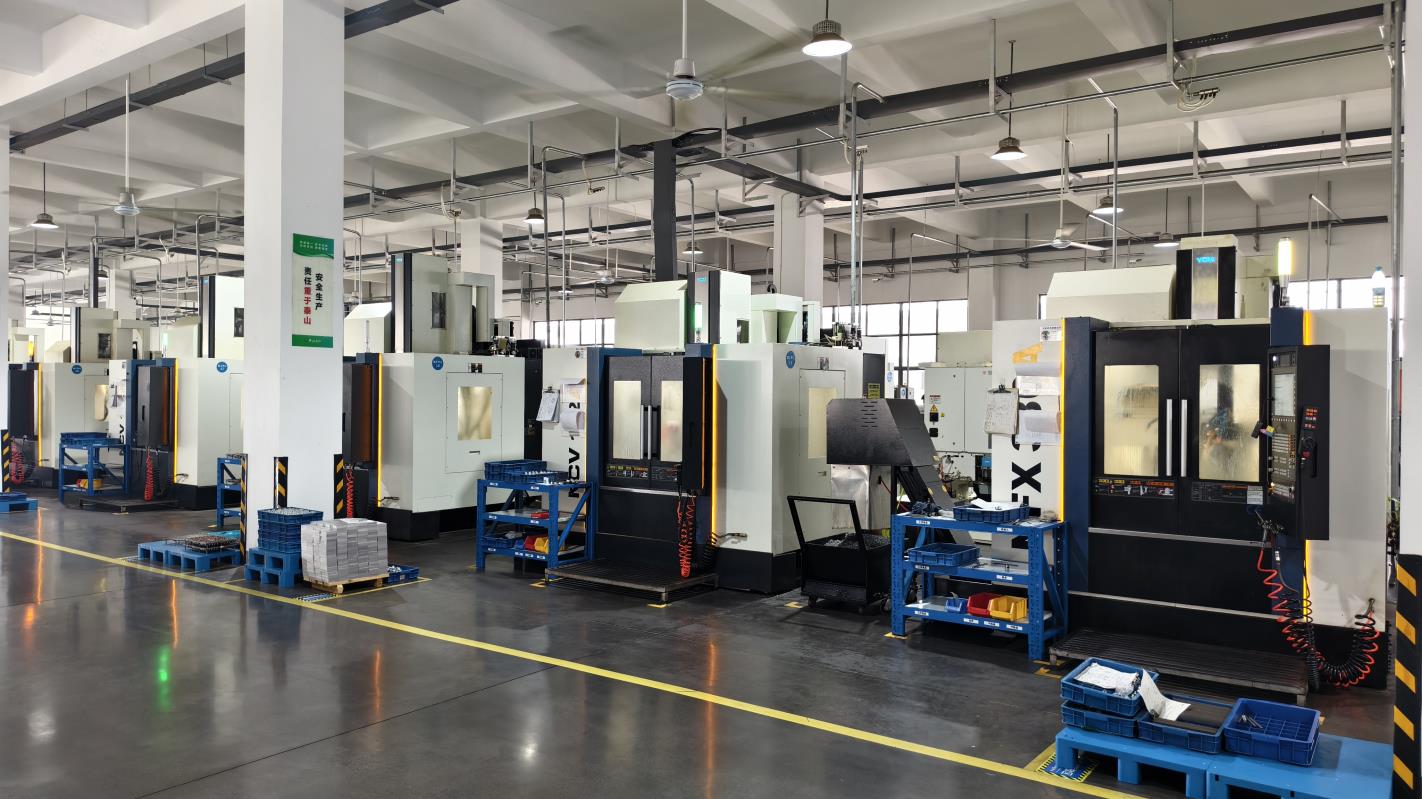
By blending state-of-the-art production automation with time-tested artisanal craftsmanship, our Factory 4.0 infrastructure in China has achieved a unique synthesis of high precision and cost stability. We leverage advanced automated grinding stations, precision EDM systems, and computerized QC measurement platforms to keep dimensions consistent down to the micron level.
This automated foundation enables us to absorb market shocks, manage raw material volatility, and optimize turnaround times. For United States clients, this translates into premium microsurgical tools produced at a fraction of the cost of European alternatives, without risking clinical safety or regulatory non-compliance.
From custom prototyping to high-volume manufacturing, our agile operations scale seamlessly to support regional US medical networks, wholesale distributors, and individual clinical groups.
Browse our versatile medical equipment portfolio, including specialized instruments for orthopedic, cardiovascular, dental, veterinary, and cosmetic procedures.
Ensuring seamless performance across diverse clinical environments. Our instruments are engineered to meet the unique procedural requirements of various specialties.
Optimized for high-turnover caseloads. Our ergonomic ophthalmic tissue scissors and titanium forceps deliver consistent, reliable performance throughout back-to-back outpatient procedures.
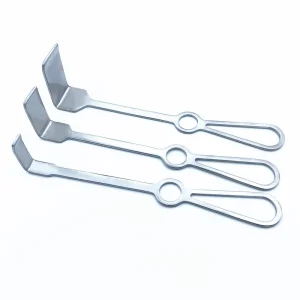
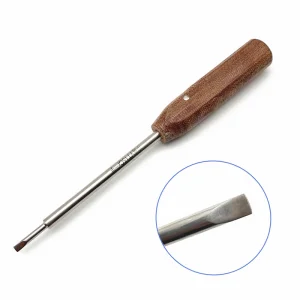
Precision tools engineered for veterinary specialists. Our distraction forceps, bone screw drivers, and flat retractors adapt seamlessly to variable physical dynamics in veterinary settings.
Fine-point measuring rulers and precision marking calipers assist plastic surgeons with preoperative mapping, ensuring the accurate spatial alignment crucial for aesthetic procedures.
Answering technical, regulatory, and logistical questions for procurement directors, import agents, and clinical leads.
Partner with an established manufacturer to secure high-precision, cost-efficient, and fully compliant ophthalmic instruments tailored for the US clinical market.
Send Inquiry Now Carna Medicial Technology